















Home Search
anchor chain - search results
If you're not happy with the results, please do another search
Anchor Rode Report
Practical Sailor has been researching ground tackle for nearly 40 years, but in the controversial world of anchoring, there are always new firestorms to...
Anchor Shackles: The $15 Insurance Policy
ConclusionThe Peerless and Crosby shackles all met or exceeded minimum specifications, and the Campbell shackle fell short by only a whisker. American-made shackles appear...
Changing Views on Chain Hooks
There are a number of ways to attach a snubber to an anchor chain. A gripping hitch, a soft-shackle, or a chain hook are...
Assessing the Anchor Kellet
One of all-chain rodes most popular features among cruising sailors has little to do with anchoring-and everything to do with stowing. With a well-designed...

Special Section – AnchoringAnchor and Mooring Chains: Vinyl-Covered Chain is the Pits
Our attention was forcefully drawn to the subject of mooring chains when the chain anchoring our raft, the Foulbottom, parted in a storm, and...

Rebuilding a Cape Dory 36 Part IV
This is the fourth article in a five-part series describing the rebuild of our 1982 Cape Dory 36 and how we turned it into...

Sailboat Safety on Deck
We often think of safety on deck in terms of PFDs, lifelines, and jacklines, but the falls they protect against only happen after something...
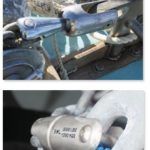
Anchor Swivels: Caution Required
Bearing FailureThe bearing where the two forks join and rotate is also prone to failure. Commonly, the bearing is a threaded stud set into...
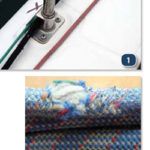
Anchor Snubber Shock Load Test
RecommendationsSnubbers need to be attached to a strong point, a deck cleat, or Samson post. Deployment often depends on the layout of your boat....

Anchor Shackles Round II
In our recent investigation into anchor shackles, Anchor Shackles, the $15 Insurance Policy (PS August 2015 online), we were aware that our sampling lacked...
