

There’s no better feeling then when you finally close the deal on your new boat and she arrives at the marina. You take pictures of her in her cradle. You step back, you admire her from every angle thinking of what project you will start with. Of course, you want to show pride of ownership on your new-to-you sailboat. You want it to shine, have the latest electronics, enjoy hot water and the latest creature comforts. Those are all great goals and who wouldn’t want the best. After all, you’ve been through a lot to find your boat. You spent hours online searching, driving hours to look at potentials and finally getting a pre-purchase survey. You deserved the best. However, it’s crucial that you stop and think about the priorities.
What did the surveyor recommend in their report? Yes, hot water is nice and is tangible, but that seized seacock, although hidden under the sink, will sink your boat if not changed. You must resist the urge to spend money on nonessentials and take care of the essentials. Remember being sixteen and getting your first used car? Like many of us, you probably had the best and loudest stereo system, but the car battery was weak and the tires bald. You were young, hopefully you learned. Now you are older and wiser, it’s time to do the right thing. Let the priorities begin.
Immediate Recommendations from the Survey are Priority Number One
Let’s look at the recommendations from an insurance survey on a 1999 Catalina 32.
A: Issues in need of immediate attention. B: Issues that may enhance safety and or value of vessel C: Offered suggestions
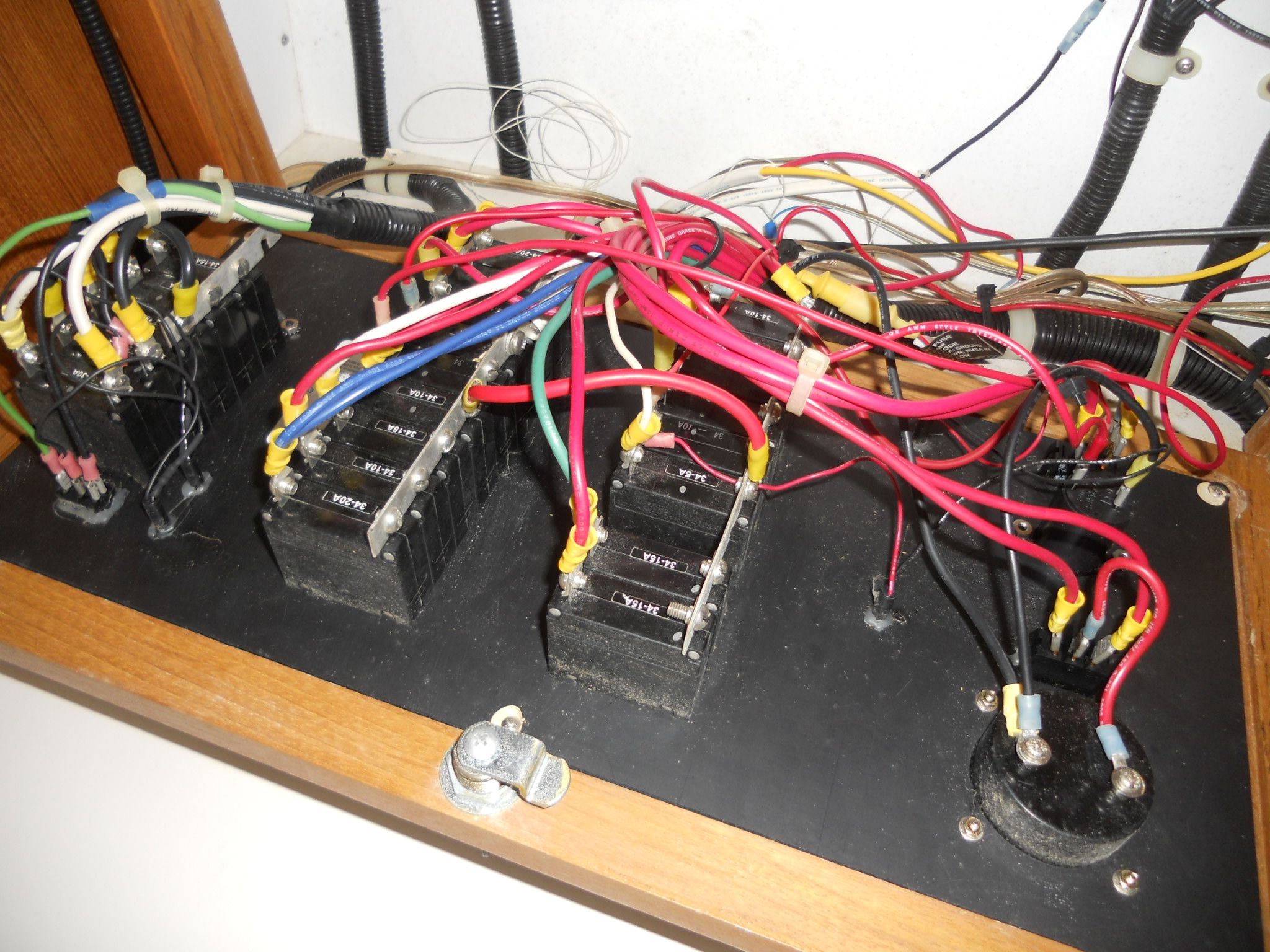
Recommendations (A)—the DC panel has a short and is a fire hazard. There’s no question that this issue needs immediate attention. The cotter pins were missing from the turnbuckles. Unless you want the possibility to dismast, adding cotter pins prior to sailing is mandatory. Recommendation (B)—while the autopilot is not an immediate priority, filling the fire extinguishers is. Recommendations (C) are added for the safety of the crew and would be wise to adhere to.
What is concerning is that there is a fire hazard on board and the fire extinguishers are empty. I don’t think people realize how dangerous a fire onboard a vessel is or don’t take it seriously.
None of those recommendations are difficult to address but can quickly ruin a nice day of sailing. Please take the surveyor’s recommendation seriously.
Quick Projects to Prevent Damage
There are many small and simple jobs that you can do that won’t break the bank. Some will only take a weekend, and you can do them at anchor.
Exterior Teak
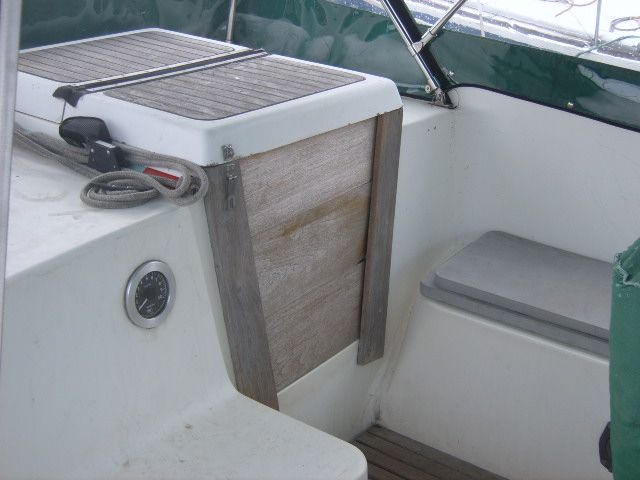
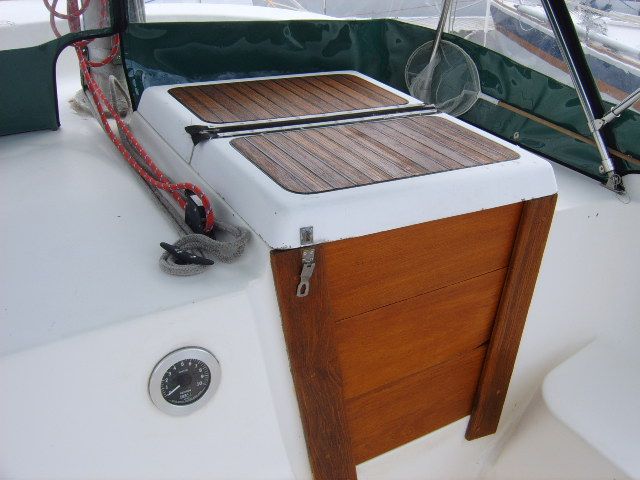
Refinishing the teak deck handles and companion way hatch takes a bit of elbow grease but won’t break the bank. It’s a simple inexpensive project that will really make your boat shine. Check out “Sparkling Brightwork: Special Attention to Details” for tips, as well as “How to Restore Teak Wood on Boats.” Cetol Marine is a great sealing product with outstanding results.
Interior Teak
A quick and inexpensive way to brighten up your interior is to lightly sand the teak and give it a shiny coat of varnish. The interior shine will last many years compared to the sun abused outdoor teak. If you don’t want to varnish, using teak oil is recommended. You’ll need to retouch it monthly to keep mold away and keep that deep shine. Teak oil makes the wood look dark and rich.
Fix Leaks and Holes on Deck
Rebedding your stanchions is simple and inexpensive. It will prevent water from seeping into the core deck and causing it to rot. It will also prevent water from dripping into your cabin, which is annoying you while you sleep. With a roll of butyl tape or silicon you can do the port side one day and the starboard the next. While you’re on deck, it’s a good idea to fill in those small gel coat holes. This will also prevent premature rotting. Look at these repairs as preventive maintenance. It will save your aggravation in the future.
Washing the Deck and Proper Housekeeping
A nice white deck and cockpit takes some work, but the result is most satisfying. As for housekeeping, keep things tidy on deck. Keeping your sail cover on not only protects it from the elements, but also makes it look tidy. Same goes for your sheets. Keep them in order however you like best but having them in a pile on the cockpit floor rotting in dirty water shouldn’t be an option.
Wishlist Items to Make Life Safer and Easier
Your wish list or items of importance will not be the same as another sailor. Some may prioritize a new chart plotter, while someone else prefers a new anchor with rode. Your choice will also depend on where you will be cruising. A watermaker and radar will not be of importance when sailing on the great lakes but might be a necessity on the ocean. Whichever direction you choose to go, this is only your wish list, so pick wisely from the list to keep money in your kitty for incidentals.
Example wish list: new fridge, cooler, electronics, lithium batteries, solar panels, inverter, portable generator, watermaker, lazy jacks, autopilot, windlass, wind vane, new cock pit or interior cushions, full enclosure, radar, coffee maker, microwave, oven, internet, hot pressurized water, composting toilet or a shower.
Conclusion
Unfortunately, there is no end to outfitting our boats. Each year there is a new cool gadget available that promises to make our onboard living or sailing easier. The best advice I ever took was to sail one full season before making big changes. The previous owner of your boat made specific changes for a reason. Although those changes may not make sense to you at the present time, after a season of sailing you might understand the reason.
Finally, keep an emergency fund for incidentals—a ripped sail, broken rigging, a new bilge pump, engine problems, the list goes on. These repairs are not cheap and will take days away from your precious sailing time.
Priorities are important, especially the ones in the survey report. By prioritizing your projects, you are being a responsible boat owner ensuring seasons of safe sailing fun. What priority will you begin with?








Another lesson, driven home by every boat I have learned, is to wait until after the first season of sailing to dig into modifications, even seemingly obvious things like storage space. It takes time to learn how the boat “works.” Even if you are correct about the need for change, the best path forward takes time to fully understand. Wait a season. Try to get inside how the designer intended for it to work and how the prior owner made it work. Ask questions. Then dig in.
Excellent advice Drew. I agree 100%. Thanks for your comment.