


Steering Equipment Inspection
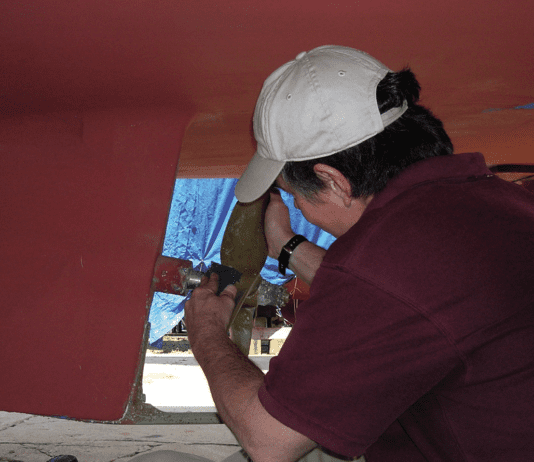
They were off the coast of Bequia in the Grenadines, near the end of a breezy passage on a 34-foot cruising sloop. Just as the boat reached past a rocky point, trouble struck. The steering wheel suddenly turned freely in the skippers hand.
Making Underwater Hull Repairs
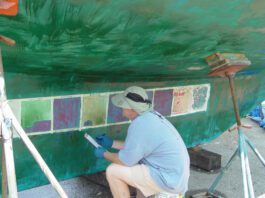
In our test of waterproof epoxies for making underwater repairs, we also looked into making underwater patches. Obviously, your success in this effort depends...
Breaking Out the Anchor Without a Bow Roller
One of the challenges we faced when testing the Chesapeake Anchor, even at the 3-pound scale, was that once any anchor is set to...
Stuck Like Glue: Epoxy Resin Mechanical Performance Testing
Just about every sailboat owner has at some point mixed up a batch of epoxy to fill a hole, glue parts back together, or tackle an extensive project. Practical Sailor testers evaluated four marine epoxy resins based on their mechanical properties (strength, adhesion, hardness, and flexibility) and key handling attributes such as wet-out, sag, curing, and overall handling. We tested West 105 Epoxy Resin, MAS Flag Resin, Raka UV-inhibited epoxy, and Interlux’s Epiglass HT-9000.
Can Diesel Damage Fuel Lines?
Given the tiny amount of fuel it takes to clear the jetty and hoist sail, our 50-gallon fuel supply can last, quite literally, for years. It certainly lasts through the winter, and all the while, we worry that sludge is growing.
10 Years Under the Hull: Epoxy Barrier Coat Test
There’s more than a little irony in the need to keep a fiberglass boat away from water. The reason revolves around chemistry and the...
Synthetic Teak Durability Test
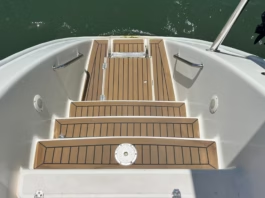
A lot of water has rushed over the bridge since we last looked at synthetic teak decking materials—eight years' worth. Since that last report—see...

Wood Rot Prevention: What Eight Years of Extreme Exposure Testing Taught Us
Wood is strong, stiff per unit weight, easy to work with, attractive, and economical. And it rots. A few special types of wood, such as teak, are highly resistant to rot, but these woods are generally heavy and almost always expensive. Pressure treated lumber is an option, but it’s ugly, warps, does not take coatings well, and is not always very rot resistant. Western red cedar, on the other hand, has long been used in canoes, and cedar fence posts have a deserved reputation for durability.
We started our rot resistance testing eight years ago in 2015, and we finally cleaned out our accelerated rot test box in July 2023. Results ranged from abysmal (untreated samples of fir have nearly disappeared) to astounding (our teak samples are still just like new). Let’s see what we learned.
Servicing Your Wheel-Drive Autopilot
A reliable autopilot is great to have onboard because it gives you opportunities to rest your arms and/or eat while under way while still...
Roller Bearing Rudder Upgrade: A DIY Guide for Spade-Rudder Sailboats
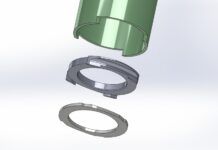
Have you ever been sailing along and thought to yourself, something just doesn’t feel right. That is what happened to me with our steering...
Latest Logbook

Practical Sailor Logbook – September 2026
This month we tour the Hans Christian 48T — the offshore cruiser many sailors call the holy grail — walk the custom Antigua 60...

Video: Morgan 44 Review – The Catalina Cruiser Everyone Forgot
The 1989 Morgan 44 is a big center-cockpit cruising sailboat with Catalina DNA—but it may be one of the most overlooked boats of its...



Latest Sailboat Reviews
Bayfield 32 Used Boat Review
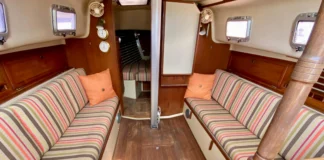
At first glance, the Bayfield 32 looks less like a fiberglass production boat from the 1980s and more like somebody shrank a traditional sailing...