



Rotary-Drive Autopilot for Worm Gear Steering
Autopilots are one piece of electronics gear that truly has something to offer every sailor-from gunkholer to bluewater cruiser. Having this extra crewmember onboard not only eases the burden of shorthanded sailing, but also helps prevent helm fatigue. An autopilot allows solo sailors to use the head, more easily raise sails, or grab a bite to eat. Crewmembers can enjoy a passage, passing the time reading a book or watching the scenery without being a slave to the helm.
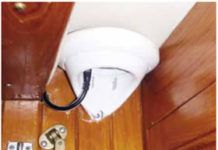
When Choosing Pilots, Err on Side of Caution
In a nutshell, autopilots have one main function: to assume control of a vessels steering and control its heading, be it a specific course or on a selected route or to a waypoint. As with any crucial piece of gear (anchors being a great example), cost should not be the primary consideration in the selection process. Its crucial to select a unit that has both the power and ability to steer your boat effectively in all sea conditions youre likely to encounter.
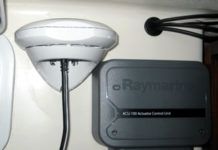
EV-1 System Check
After the roller-furling jib, the most valued piece of gear aboard for many sailors is the autopilot. So fond of autopilots are skippers and first mates, many even name their units-Otto the autopilot, Joshua (after infamous sailor Joshua Slocum), Amelia (after historic female pilot Amelia Earhart), and WTF are a few that weve met during our cruises.
Testing the B&G Zeus3 Nav System
Multifunction display manufacturers have pushed their products through a dramatic evolution in the last five years as they try to keep pace with technology that we take for granted in our other electronics. Better interfaces, screen resolution, and the ability to download useful software apps (beyond navigation) are just some of the improvements. Most of the major vendors are on their third generation of touchscreen interfaces, higher resolution displays, downloadable software, remote music control, and other functions far afield of what MFDs performed five years ago.
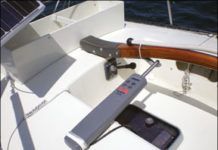
Practical Sailor Tillerpilot Test: the Simrad TP10 and the Raymarine ST1000 Plus
Offshore sailor Skip Allan tested two entry-level tillerpilots, the Simrad TP10 and Raymarine ST1000, aboard his 27-foot sloop during last years Singlehanded Trans-Pac race. The autopilots were used during varying weather conditions and sea states, including gale conditions. The review considers characteristics of the Raymarine tillerpilot and Simrad tillerpilot, including price, power supply, drive thrust, installation ease, user friendliness, construction, and performance.

Tiller Extensions: Forespars Cobra and Spinlocks E-series
We try fixed-length and telescoping hiking sticks from Forespar, RWO, Ronstan, Spinlock and Wichard.
PS Advisor 09/01/00
Inflatable vs. Hard DinghyI have recently bought a nice, old 38' Shannon ketch, and she has dinghy davits. I have no dinghy, but am...
The Holes That Wouldnt Close
Viva, our 1975 Tartan 44 test boat, has, like most fiberglass boats, a hollow fiberglass rudder and skeg. The rudderstock is solid stainless steel,...
PS Advisor 10/01/00
Rudder LeaksI read your rudder-rebuild article (February 1, 2000) with interest since I own a 1972 Ranger 33 with an original rudder. I have...
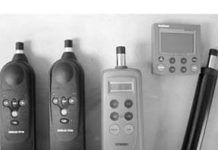
Tillerpilots: Raytheon vs. Simrad
Of four models tested, the Simrad TP10 lags behind the others, while the TP30 outpoints the Autohelm ST2000.û
How Long Do Sails Last?
How long do sails actually last? Sailmakers often say cruising sails last around 10–15 years, but what happens when you discover a sail that’s...



Latest Sailboat Review
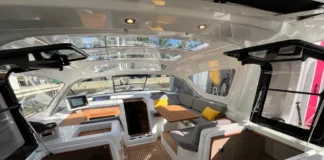
Jeanneau 55 Boat Review
This recent sailboat from Jeanneau may as well be a spaceship. They’ve taken all the time-honored designs of a monohull aft cockpit and turned...