
There’s nothing more satisfying than installing a great new piece of equipment on your sailboat, unless it’s completing that upgrade and then selling the old gear to defray some of the cost.
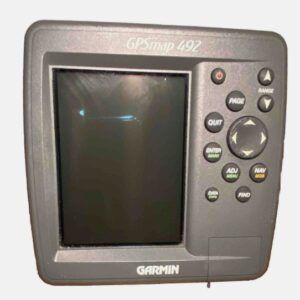
Who’s to say why someone might covet your discards? I didn’t like the Garmin GPSMap 492 chart plotter that came with my 1976 Albin Ballad 30. The 2008-vintage unit had a small 5-inch vertical screen, comparatively crude charts and button-based screen navigation. I replaced it in 2023 with Garmin’s seven-inch GPSMap 743xsv, which offered a modern, high-res touch screen and built-in Navionics software.
What to Sell
Chartplotters. A quick search on eBay revealed that used but working GPSMap 492s are still selling for between $80 and $225, depending on the condition and accessories included. I assume these buyers currently have something even more archaic or no chartplotter at all, so better to have something that costs one fifth or less the cost of a new unit.
I took plenty of pictures of the old plotter, along with its sun cover, mounting bracket and owner’s manual, and created a listing on eBay. Rather than hold out for top dollar, I set a minimum price of $89 and initiated a seven-day auction. The winning bidder paid $110, plus shipping. After eBay’s seller fees of $14.98, I netted $95.02.
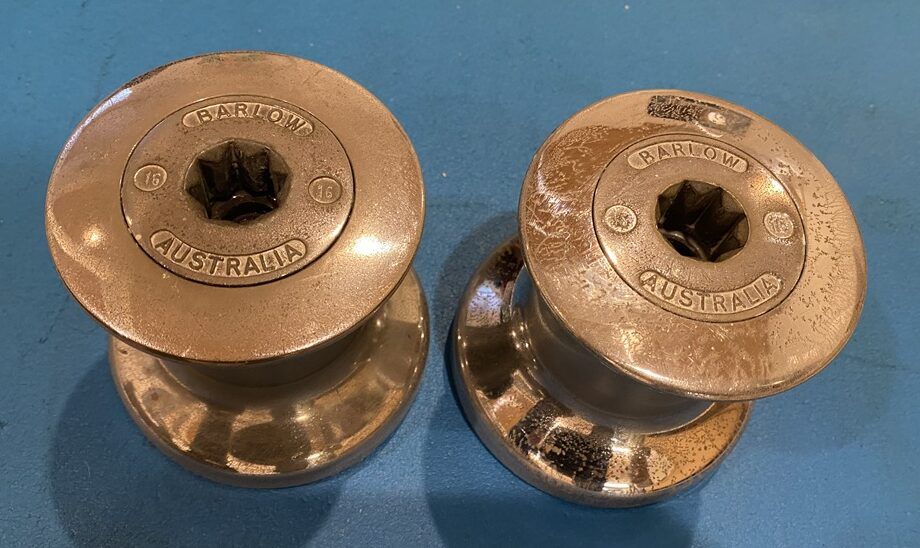
Winches. You don’t have to be a solo sailor to appreciate modern, self-tailing winches. Yet there are still buyers of used single-speed, non-self-tailing winches. Maybe they’re building jury-rigged cranes, passing them off as antiques, or using them as doorstops? A pair of old Barlow #15 single-speed winches sold for $46.64 and netted $39.72. Larger Barlow #16s sold for $65.93 and netted $55.87.
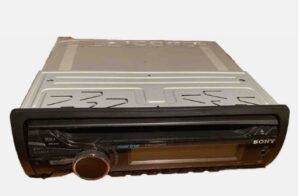
Radio. Even if you still have a few CDs lying around, today’s sailors are more likely to want to use a streaming service like Spotify. I replaced my boat’s Sony CDX-M20 AM/FM/CD stereo with a Bluetooth-capable and SiriusXM ready Sony DSXM55BT for $138.00. The old radio sold for $34.50 and I netted $29.22.
Where to Sell
To reach the largest possible market I find it best to sell through eBay, which makes it easy to list items and sell at fixed prices or through auctions. After the sale, eBay makes it easy to print out buyer-paid, pre-filled shipping labels and it also handles all the payments, so you don’t have to deal with buyers. eBay’s 10 percent to 15 percent fees will take a bite out of your proceeds, but eBay auctions can boost prices and are fun to follow. I also find that the fees are well worth the ease and security of the platform.
Mishaps
I had one challenging transaction with an eBay buyer in which they claimed, through the eBay platform, that the box that was supposed to contain a pair of winches had arrived empty. They challenged the transaction, claimed I hadn’t packed box securely or had nefariously sent an empty box. The postal records, which included the 12-pound weight of the shipment and delivery confirmation details, suggested otherwise.
eBay initially delayed payment while they investigated, but they soon backed me up. Perhaps it was just the USPS evidence or perhaps it was the fact that I had a long, clean seller history while the buyer had zero eBay history and was quickly resorting to nasty, accusatory comments (thou doth protest too loudly, indeed). Whatever the case may be, eBay paid me in full and expunged the buyer’s negative comments and ratings from my seller profile.
There’s no safeguard against bad seeds, but I always ship directly from post offices or shipping stores (rather than drop boxes) and keep the receipt with the tracking number. I’ve had only that one bad experience (ultimately resolved in my favor) among dozens of transactions.
Facebook Marketplace
I’ve tried Facebook Marketplace, which is said to be making inroads on eBay’s business, but I found it to be harder to use and less effective in reaching buyers. What’s more, the fees for promotions and listing enhancements, which seem to pop up everywhere, are surprisingly expensive. (I also avoid extra-cost listing enhancements and promotion options on eBay.)
Craigslist
When items are too big or heavy to ship, I use Craigslist, which doesn’t charge fees. I always specify local pickup only, at my house or at my marina. I also specify “CASH ONLY,” because checks can and do bounce. If you and your buyer are both comfortable with payment options such as Venmo or Apple Pay, great, but everybody understands cash. Initial email exchanges with buyers are anonymized through the platform. Once a deal is agreed upon, I switch to text messaging to share the meetup address and ask them to text me when they’re on their way with an ETA. Be sure to avoid the scams whereby buyers email you and offer to pay you more and promise to deposit funds directly into your account if you share your bank details (yeah, right).
If you are fearful about meeting strangers at your home, choose a public spot, such as your marina. You can always work on your boat while you wait for them to arrive. I usually meet people in my driveway, and I’ve found the encounters to be entertaining. I had a nice conversation with a wreck diver who bought three old, galvanized Danforth anchors for $30. It seems he loses anchors regularly when they get entangled in the wrecks. Then there was the guy who bought my beat up old Bomar hatch for $40 to let more air and light into a camper trailer he was fixing up to spend more time with his kids. I even listed my former boat, a Tanzer 22, through Craigslist and was connected to the Presbyterian minister who ended up buying the boat.
Preparing for the Sale
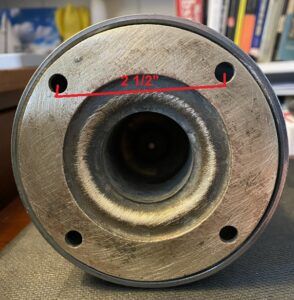
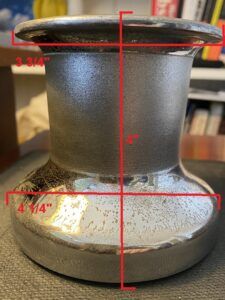
To get the most for your merchandise, clean it up and take plenty of pictures. Provide detailed descriptions, including dimensions, and be honest about wear, tear and non-working features (and include these flaws in the pictures). Nasty surprises will only damage your reputation as a seller.
Accessories, owner’s manuals and original boxes enhance an item’s value, so take pictures of these items as well and include details, like “85-page, full-color manual” in the description. Whether it’s eBay, Facebook Marketplace or Craigslist, you can handle the entire listing process on your phone.
If you’re listing an item to be shipped, pack the item in advance with adequate packing material and weigh the full box, rounding up. You’ll need to list the package dimensions and weight when you create a listing on eBay if you want to take advantage of buyer-paid shipping and pre-printed shipping labels.
Conclusion
I price to sell so I can get on with my life (and more sailing), but there are plenty of books offering tips and best practices for successful selling on eBay, Facebook Marketplace, and Craigslist. Some sellers make their living online and may buy and resell your goods (as I suspect was the case with my old chart plotter). That’s fine by me. I just want to upgrade where necessary, defray my costs and keep good old gear out of my basement or landfills.