

Have you ever noticed that when people want to post beautiful serene moments, they use images of sailboats in the distance, usually seen from a dreamy, tropical palm-fringed beach, quietly sailing across the horizon line with clean, white sails? But are they really clean and white? From a distance, they sure do appear to be.
Alas, for the crew on board, they may not appear so clean and white. Humidity, salt air and years of exposure to environment takes a toll on sails. Not to mention those occasions when we have no choice but to dowse our sails while they are still wet during bad weather. By the time the rain ends, we are often no longer at the boat to raise and unfurl our sails to let them dry properly.
But the good news is that with good habits and regular care, we can easily limit the effect and buildup of stains and mold, as well as weather exposure.
Before I purchased brand new sails a few years ago, I cared for my 30-year-old sails well, and got many more years of use—well over the normal expended life span—thanks to regular maintenance. Unfortunately, sail cloth does get old and it becomes impossible to shape and maximize sail performance—they get blown out. So, about three years ago, I bit the bullet and purchased new sails.
When they finally arrived, it was exciting to deploy these brand-new crisp, super white sails. From day one, I wanted to take steps to maximize any opportunity to protect them, as well as keep them clean.
Even though the sails were brand new, my sail care and maintenance routine did not change. The products and techniques I gladly share here apply both to new and old sails. My process is also based on my lifelong philosophy that “maintenance costs much less than repairs (or replacement).”
There are two aspects to my maintenance habits: One applies to the entire sail and the other applies to routine on the spot care during the season.
Cleaning and Preventive Care—Entire Sails
Cleaning an entire sail can be quite the task, especially if laying out the sail on a large, clean non-abrasive surface is not always possible. Plus, manually going over the entire surface can take a long time. Soaking the entire sail in a solution for a day or two involves much less effort and in most cases provides better results. But, what kind of container can someone use to soak an entire sail, where it will be somewhat loose in order to allow the cleaning solution to soak the entire surface? Many suggest a clean large barrel or plastic drum, which can work for smaller sails of course. But for larger sails, not so much.
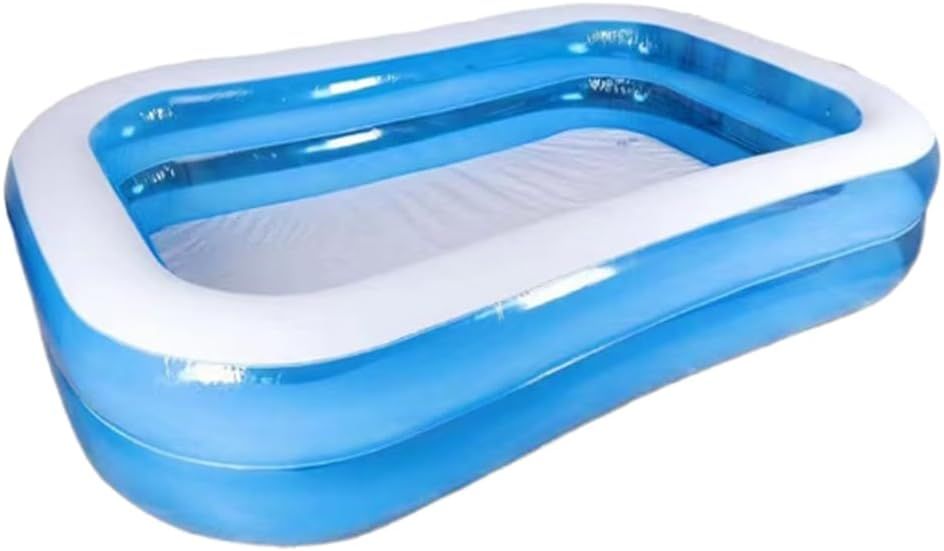
My solution is simple and practical, as well as easily stowed away when not in use—an inflated pool that is large enough for your size of sail—this is the one I prefer. There are very affordable models and various sizes to choose from on Amazon that will fit your needs—there are both inflatable and foldable options as well. These can be quickly set-up and installed anywhere you have access to a water supply.
1. Fill Pool and Mix Cleaning Solution
Once inflated, I fill it to about three-quarter capacity and let the water sit for a day to let the water warm up. Once the water has warmed up to the ambient exterior temperature, I prepare my cleaning mixture using a large five-gallon pail. I use two cups of Oxiclean in five gallons of water.
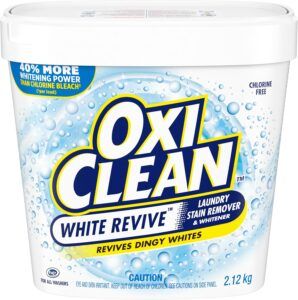
In order to make a proper solution that will activate the Oxiclean active ingredients, you must mix it with hot water. In most cases, straight hot water from your home water heater, which are normally between 140 and 150 degrees Fahrenheit will do the trick. Or you can fill and heat up two large cauldrons of water on your stove.
Once the solution is ready, pour it into the pool while walking around the pool to maximize the solution spread. Then, use a clean, large piece of wood, like an oar, to mix it all together.
2. Flake Sail to Width of Pool and Submerge in Solution
Now, flake the sail to the width of the pool, starting with the foot of the sail in the bottom. Once entirely flaked, use the clean oar to gently push the sail down ensuring it stay below the water surface. Let the sail soak for at least 24 hours.
Note: If you don’t have an adequate mixing stick or oar, don’t hesitate to use your hands. You can step into the pool, barefoot, and gently walk all over the sail. That’s what I do and I’ll repeat that process three or four times during the 24-hour soak time.
3. Inspect the Sail and Brush If Necessary
After 12 hours into the soak, I will inspect the sail, while standing in the pool, and use a soft bristle brush to scrub any problematic areas.
4. Empty Pool and Refill With Clean Water
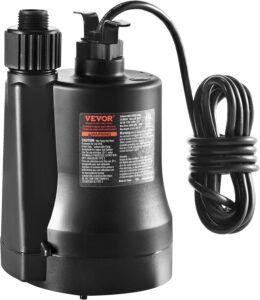
After about 24 hours have passed, I use a water pump (similar to this one) to empty the pool, leaving the sail in the pool. Once it is empty, I refill the pool with fresh water. After it is filled, I lift and agitate the sail to make sure all surfaces are well rinsed, especially inside each flake fold. Then I empty the pool and repeat the rinse process two or three times. Rinsing properly is important to neutralize the solution.
5. Dry the Sail
Once the pool is empty, the sail must now be given time to dry properly. If you happen to be nearby the boat, installing and raising the sail is the best way to dry it out. I do my cleaning at home, so while the sail is soaking, I set up a taught clothesline that is high enough to fold the sail over it. Then I use lawn furniture to keep the hanging sides from sticking together and to allow for air flow.
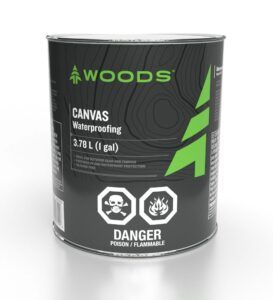
Every two years I apply waterproofing that also has UV protection. Do this once the sail is dry and while it is still hanging up. Once the waterproofing is applied and dry, I flip the sail on the clothesline and apply the waterproofing to the other side. While I have the waterproofing out, I also apply a coat to the mainsail cover.
StarBrite make an excellent waterproofing solution. I prefer a larger quantity container so I use an exterior fabric waterproofing solution with UV protection that can be found in gallon cans at many large stores like Canadian Tire or large camping supply stores. I’ve used this brand for well over a decade and am happy with its performance.
Spot Cleaning
Here, my “maintenance costs less than repairs” motto can be modified to read “maintenance takes less time” than waiting until the whole sail needs cleaning.
Spraying a premixed Oxiclean solution in a reusable spray bottle is a great way to clean spots on the sails as soon as you see stains like bugs or mold. However, making an Oxiclean solution ahead of time is not effective because it loses potency over time, since it performs best when mixed in hot water. So, use hot water to make your mix as you need it. Make sure to properly rinse any area you’ve cleaned and let it dry before stowing or covering your sail.
For quick spot cleaning and more stubborn spots, I’ll often use a little bit of Dawn dish soap on a wet sponge or microfibre towel, followed by a good rinse and dry time.
Also check out Drew Frye’s sail cleaning tips here.







While writing this article, I forgot to add that using an inflator pump to both inflate and deflate the pool will make the process much faster. Especially for deflating which will make folding and storing the pool much easier as it will suck all the air out. As I deflate the pool, with the pump at one end, I slowly start rolling the pool from the opposite end, this will help the pump such all the air out. Afterward, I unroll the pool and fold it nice and tight. I use a large grocery bag to store it in.
Although I didn’t see it mentioned I assume that this cleaning method only applies to Dacron sails, and not to laminated sails. Please clarify. And add if there is cleaning advice for laminated sails in general, or North Sails 3Di Ocean sails specifically. Thx
Hi Michael, you are absolutely correct. I should have made it clear that laminated sails may require a different cleaning process. I would consult with the sail maker to see if this method would work and if not, what is their recommendation.