




Mechanical Rigging Terminals: To Seal or Not
Technical Editor Ralph Naranjos recent market survey of mechanical rigging terminals in the June 2015 issue of Practical Sailor demonstrated just how long these terminals can last if they are installed correctly. That report came close on the heels of rigger Brion Toss's photo essay on what can go wrong if they are not assembled correctly, or assembled without any sealant. Yet manufacturers are still not entirely clear where they stand on the use of sealants in these fittings.
Improving Roller Furling Efficiency
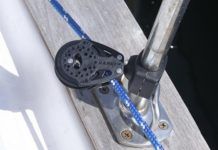
One of the easiest ways to improve the furling efficiency of all types of furlers is tackle the line-lead challenge. It starts with the angle that line leads on and off the drum, progresses into a sweeping arc as the line makes its way to the cockpit and ends with another change in direction that leads the line to the hands of a crew member or a winch drum.

Lifesling Inspection Tips
For many in the northern hemisphere winter is the off-season, which means it's a great time inspect safety gear. Lifejackets and throwable rescue aids like the Lifesling which incorporate materials that degrade over time deserve particularly close attention. Even new safety equipment deserves close inspection. Probably the most startling safety equipment failure we've experienced was that of a newly bought child's safety harness with a polypropylene tether that immediately broke under very little load.
Repairing Leaky Portlights
In all too many cases, a portlight leak on an old boat is a symptom of a larger problem. The underlying cause likely is that the holes in the monocoque structure create a loss of stiffness, resulting in excess cabin house flex. Rig loads carried to chainplates, mid-boom sheeting arrangements, and genoa track-induced flex can cause significant deflection.

Designing a Dump Line for the Multihull Mainsheet
Many of Practical Sailor's previous reports have explored the risks of multihull capsize, and what sailors and designers are doing to reduce this risk, which, though generally low, increases as designers push for more speed. One detail that we have not explored in great depth is the engineering of a “dump line,” which allows the helmsman (or automatic system) to quickly release the mainsheet in case a capsize is imminent. Simon Angus, a Canadian sailboat designer and builder who recently launched a new 40-foot catamaran that fits into a shipping container, has a manual system that involves the clever use of Ronstan’s constrictor textile rope clutches, which allows a person at the helm to quickly release the mainsheet with the swift tug on a parachute cord.

Bargain-priced Sailing Clothes for Cold Weather
The first real winter blast of the year poked south of the 25th parallel this week, as sun-seeking sailors as far south as the Keys poked their head out the companionway and decided, "I'd better put on another layer."
Whether you want to cruise the higher latitudes or extend your sailing season this winter, the right clothing is important. Over the years, Practical Sailor has published a number of tests and reports on the clothing that keep us warm when the wind chill dips toward freezing.
Fighting Off Marine Electrical System Corrosion
The boat's electrical system is often the most vexing for boat owners-but it doesn't have to be. With the right tools, quality materials, and a modest amount of preventative maintenance, you can ensure a flicker-free (or nearly so) existence on the water. If you've got a rewiring or electronics installation project ahead of you, or if just want to make sure nothing goes on the fritz once you're offshore, this information-packed blog post is for you.

Get the Most Out of Practical Sailor’s Subscriber Services
As we come up on our 50th anniversary in a couple of years, one thing remains unchanged, word of mouth is still the best promotion for our 100-percent subscriber supported research. Our ad-free publication relies heavily on the dedication of extremely knowledgeable experts committed to keeping sailing safe and fun. Most of all, it relies on you.

Safety Tether Clip-in Caution
If you use a fixed clip-in point in your cockpit, you may want to check its design and review how you use it. With the exception of two types of tether snap hooks, our testers were able to dislodge sailing tether hooks from fixed clip-in points with very little force (less than 30 pounds). In one video we've posted, a popular Gibb-style snap hook releases under circumstances that closely replicate the the test used to certify its ability to resist an accidental release.

Painting Your Boat Like a Pro
In a few months, we'll be publishing what will likely be our final update on our ongoing test of marine topside finishes - a project now in its fifth year. It will be interesting to see which hull paints have stood the test of time. If you can't wait until this spring to get your paint project rolling (and tipping), here is a rundown of free articles that will offer expert guidance on getting a good do-it-yourself finish for your sailboat.

Morgan 382 – The $30K Boat Nobody Talks About
The Morgan 382 might be one of the most overlooked cruising sailboats ever built. Designed by legendary naval architect Ted Brewer and produced between...



Latest Sailboat Review

Caliber 33 Used Boat Review
The Caliber is a peculiar blend of tradition and innovation, of security and performance, of practicality and pizzazz. All of the owners we heard from were "satisfied." One called the 33 his favorite boat over six decades of sailing.