

Ultrasonic Wind Sensor Test
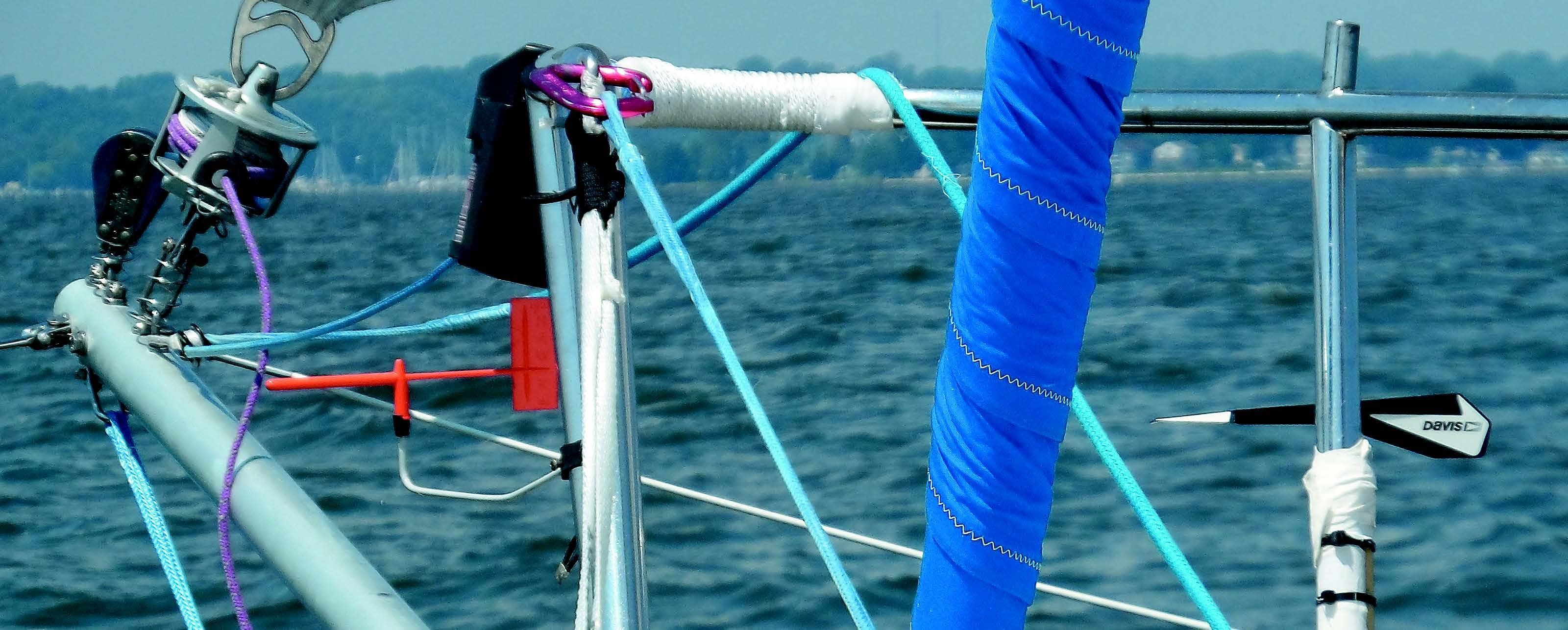
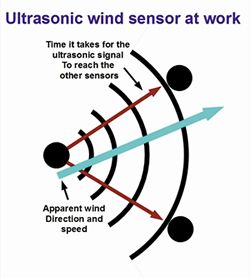
Beginning in March 2014 with a review of wind sensors, Practical Sailor embarked on a series of articles on wind instruments. The series kicked off with a look at mechanical, mast-mounted sensors (see PS March 2014 online); Part II compared the various ways that wind data is computed and displayed (see PS May 2014 online); and Part III sought to find the ideal system, matching sensors and displays from different brands (see PS August 2014 online). The ink had hardly dried after the first round of testing, when readers began asking about ultrasonic wind sensors, which appear to offer a number of advantages over conventional mechanical sensors and their revolving-cup sensors.
Sonar that Sees Whats Ahead
Most depthfinders are historical instruments. They collect and display information from the recent past-not the best arrangement for the sailor. By the time the sounder indicates a shoal, its already beneath you. But this is changing rapidly.
Vesper Class B AIS Sea Trial
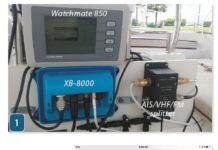
During a recent passage from Sarasota, Fla., to Havana, Cuba, Practical Sailor had the chance to compare the new Vesper XB-8000 Class B AIS transponder with its predecessor, the Vesper Watchmate 850, a stand-alone Class B AIS transceiver that earned our Best Choice pick back in 2013.

Marine Weather Forecasting
Over the last few decades, theres been exponential growth in the availability of accurate weather forecasts and the net result is safer voyaging. Government spending on weather data gathering and forecast development has soared. Satellites and data buoys have filled in some of the oceanic gaps caused by an absence of weather balloon sampling at sea. State of the art, algorithm-driven, model data and ensemble-based forecasting have turned electronic guesswork into a better understanding of atmospheric volatility. The net result is an increase in the validity and reliability of marine forecasts and a trend that has stretched 24-hour forecast accuracy into 48- and 96-hour time frames. So, if anything deserves the label don't leave homeport without it, it is todays, better than ever, marine weather forecast.
Riding the Wireless Technology Wave
A number of the electronic devices that we tested this year are wireless products that interface with smart phones and tablet computers. Many of these products will also connect with the ships existing marine networks (NMEA) and hardware, and we encourage using these more robust connections for long-term cruising.
Testing the B&G Zeus3 Nav System
Multifunction display manufacturers have pushed their products through a dramatic evolution in the last five years as they try to keep pace with technology that we take for granted in our other electronics. Better interfaces, screen resolution, and the ability to download useful software apps (beyond navigation) are just some of the improvements. Most of the major vendors are on their third generation of touchscreen interfaces, higher resolution displays, downloadable software, remote music control, and other functions far afield of what MFDs performed five years ago.
A NMEA 2000-and Beyond-Survival Guide
NMEA 2000 (aka NMEA 2K or N2K) is the communication standard replacing NMEA 0183. It is a technical standard (IEC 61162-3) used for connecting marine sensors and display units within a boat. The major differences from NMEA 0183: NMEA 2K operates at 250 kilobits-per-second, about 100 times faster than the 4,800 baud of NMEA 0183.

Light Dimmer and Motor Controller
Occasionally, there are times when you would like to control the lighting brightness in the cabin-intimate settings, night sailing without adequate red lights in...
Offshore Log: Essential Forecasting Tools
Our years of sailing in New England and the Caribbean, with their stable, predictable weather patterns, left us ill-prepared to deal with the vagaries...
Mailport 08/01/00
Handheld GPSI have the greatest respect for the equipment reviews in Practical Sailor, but I think that you overlooked very critical attributes for your...

Morgan 382 – The $30K Boat Nobody Talks About
The Morgan 382 might be one of the most overlooked cruising sailboats ever built. Designed by legendary naval architect Ted Brewer and produced between...



Latest Sailboat Review

Jeanneau 55 Boat Review
This recent sailboat from Jeanneau may as well be a spaceship. They’ve taken all the time-honored designs of a monohull aft cockpit and turned...