



Mailport: Carl Alberg, Tinned Wire, Fiberglass Durability
HIGH PRAISE FOR CARL ALBERG
Regarding your report “Small-boat Dreams and Carl Alberg’s Classic Daysailers,” my first sailboat, 25 years ago, was a Pearson Electra....
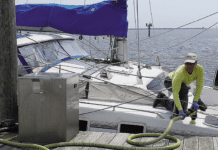
Composting Head Disposal Options
We wouldn’t describe ourselves as huge fans of composting/desiccation heads (see “Dissecting the Desiccating Head,” PS July 2021). We’re not encouraging people to rip out what...
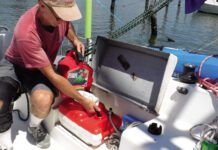
Gas Engine Owners Beware of E15 Blends
Global fuel supplies have been stretched as a result of the war between Russia and Ukraine, and to help alleviate this, the EPA issued...

Yes, We Are Talking About Boat Bidets
Once again we broach a sanitation topic that folks would rather not talk about, and once again we’ve been surprised by the answers we...
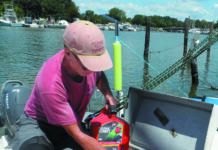
Portable Fuel Tank Update
Everyone hated the first generation of CARB gas cans. Intended to reduce volatile emissions by recovering vapors and reducing spills, they did exactly the...

Green Boating From a Practical Perspective
Before diving into the topic of responsible boating, we’re required to say something about global warming and carbon. Primordial carbon was sequestered by several...
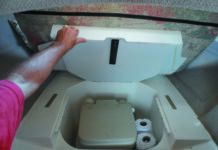
Dissecting the Desiccating Head
Our first cruising boat had a conventional portable toilet. We didn’t like it, but we made peace with it, cruising for up to two...

DIY Desiccating Head Options
No standard dry toilet, even the CHead Shorty, would fit the available space on our Corsair F-24, so we decided to build our own....
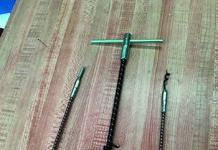
Packing Extraction Tool Tested
The packing material encircling your shaft and tucked out of sight inside the packing nut is truly your boat’s Achilles heel. Installed improperly it...

Rhumb Lines: The Diesel Engine Dilemma
As the threat of global warming is forcing policy makers around the world to explore ways to wean their economies off carbon based energy...

Small Boat, Big Keel Why This 27 Footer Works
What makes a small sailboat truly seaworthy? In this video, we take a deep dive into the Pacific Seacraft Orion 27, a rugged, long-keel...



Latest Sailboat Review
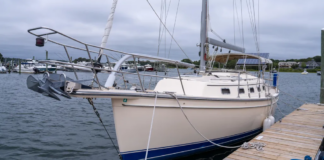
Island Packet Estero Used Boat Review
Florida-based Island Packet targets a relatively narrow niche, so the toughest competitors to its new boats are often older Island Packets. Introduced in 2010, the 36-foot, shoal-draft Estero is the company’s latest attempt to introduce a distinctive model that doesn’t stray too far from the company’s proven formula for success: moderate displacement, full-keel cruisers designed to be lived on, sailed far and in comfort, and endure the bumps, scrapes, and storms that cruising boats inevitably encounter. After sailing the Estero on Florida’s Sarasota Bay and inspecting its interior, construction, and systems, Practical Sailor testers noted that the shoal-water cruiser will appeal strongest to Island Packet fans who’ve been waiting for a shoal-draft, easy-to-sail boat that compares to the IP37 in terms of interior space. These strengths will be most apparent on intracoastal or riverine adventures like the Great Loop.