


Roller Bearing Rudder Upgrade: A DIY Guide for Spade-Rudder Sailboats
Have you ever been sailing along and thought to yourself, something just doesn’t feel right. That is what happened to me with our steering...
Budget Nav: Build a Fault-Tolerant Electronic Navigation System for Under $3,000
When I started sailing, navigation gear consisted of a paper chart, a few drawing instruments and a compass. Instruments usually consisted of a single...
Do-It-Yourself Fuel Tank Cleaning
Depending on the size of your fuel tanks, having a professional clean your tank and dispose of the dirty fuel can cost more than $1,000. But for the careful, competent do-it-yourselfer there is another option. For those sailors whose tanks have reached the contamination point-of-no-return, heres a helpful article on DIY tank cleaning that accompanied our July 2009 test of diesel biocides.
Cabinet Hardware That Holds When It Counts
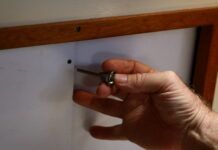
One of the aspects of safety on a voyaging sailboat that I am most concerned about is that objects stay stowed where they're supposed...
Rudder Restoration: Eight Lessons Learned
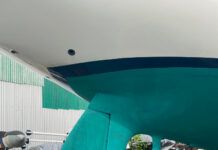
Does your rudder feel unsteady, with play in the tiller or wheel? Do you experience vibration at certain speeds or slapping or thudding sounds...
DIY Kayak Boarding Assist Arm
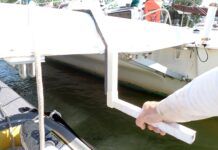
Exploring beaches, marshes, shorelines—and yes, small towns—is one of sailing’s greatest joys. The challenge is getting in and out of a dinghy or kayak,...
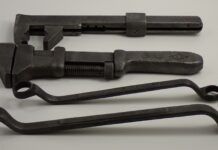
Phosphate Conversion Coatings: The DIY Rust Fix That Also Protects
In the process of rediscovering my machining hobby, I dug out my long-ignored collection of machinist tools from a great uncle who worked in...
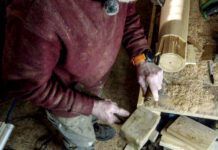
DIY Wooden Bowsprit
Bowsprits are a common feature on traditional boats as a way to extend the sail plan beyond the boat’s length over deck and create...
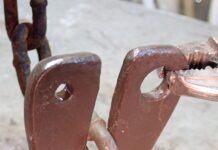
A Better Bridle Plate
In the midst of discussing bridles, snubbers, and rigging multiple anchors, ten years ago we introduced the idea of an improved bridle plate—see “Adjustable...
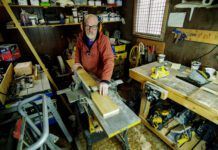
Build Your Own Dorade: Fresh Air Below, No Water Allowed
Dorade vents are the best solution to keep the cabin fresh in bad weather or offshore. They let air in but keep water out...
Latest Logbook

Practical Sailor Logbook – September 2026
In September we tour the Hans Christian 48T — the offshore cruiser many sailors call the holy grail — walk the custom Antigua 60...
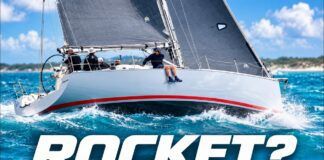
Video: The 11.5 Knot Cruiser – Bavaria Match 42 Yacht Tour
Could this be the fastest family cruiser you’ve never heard of? The Bavaria Match 42 is a genuine performance sailboat hiding beneath the interior...

Latest Sailboat Reviews
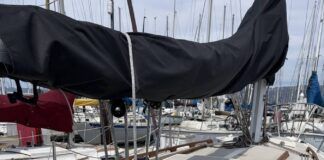
Cal 2-27 Used Boat Review
Our story begins in 1970, with the introduction of the Cal 29. Looking for something similar but a bit smaller, the company asked designer Bill Lapworth for a 27-footer, which at first was the Cal 27, a fin keel, spade rudder design with a convertible pop top; another incarnation of this basic hull was the T/2. But the concept of the 29 found its full expression in the Cal 2-27, which began production in 1975 and continued to 1977, after which it was again modified and called simply the Cal 27...again. Production of it ceased in 1986.