Krypton Antifouling Paint: Two-Year Follow Up

After two years, Krypton’s copper-free antifouling showed minimal growth—no need for scrubbing.

2
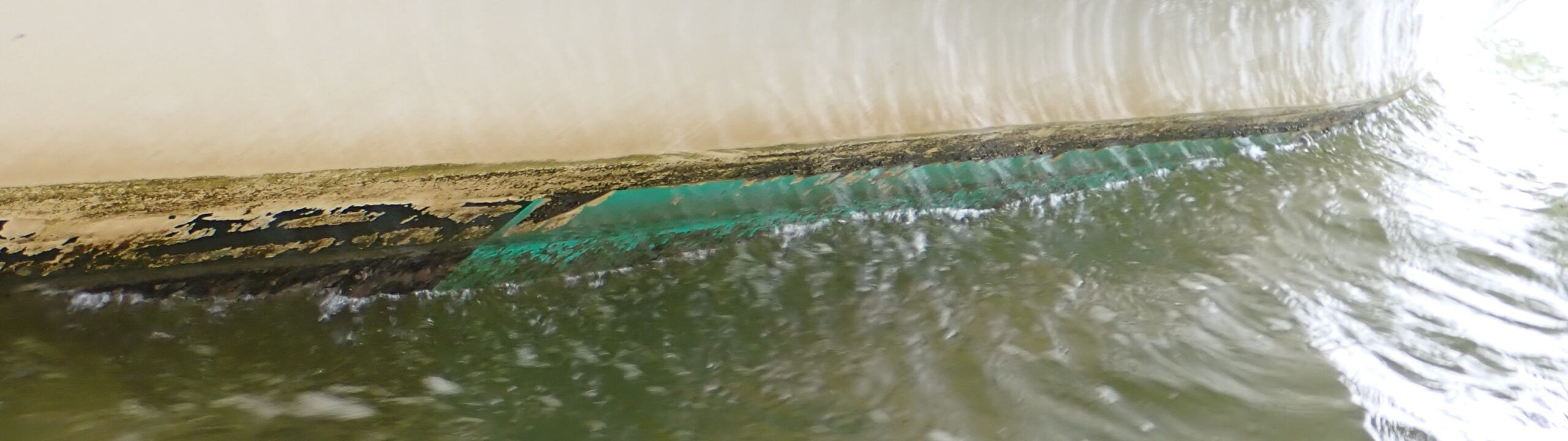
Krypton paint worn away on the bow at the waterline. On the plus side, this means there will be no build up that will need to be sanded off. Next time, we’ll give this area a few more coats. (Photo/ Drew Frye)

After two years of panel and on-boat testing on the mid-Chesapeake Bay, we settled on Total Boat Krypton, one of the top performing copper-free paints, for our personal boat. Our past experience, through more than a dozen bottom jobs using West Marine PC Gold, Interlux Micron Products, or Pettit SR 40, we expected to see some barnacles and soft growth starting at about months, requiring a few scrubs during the second summer. This time things were better.
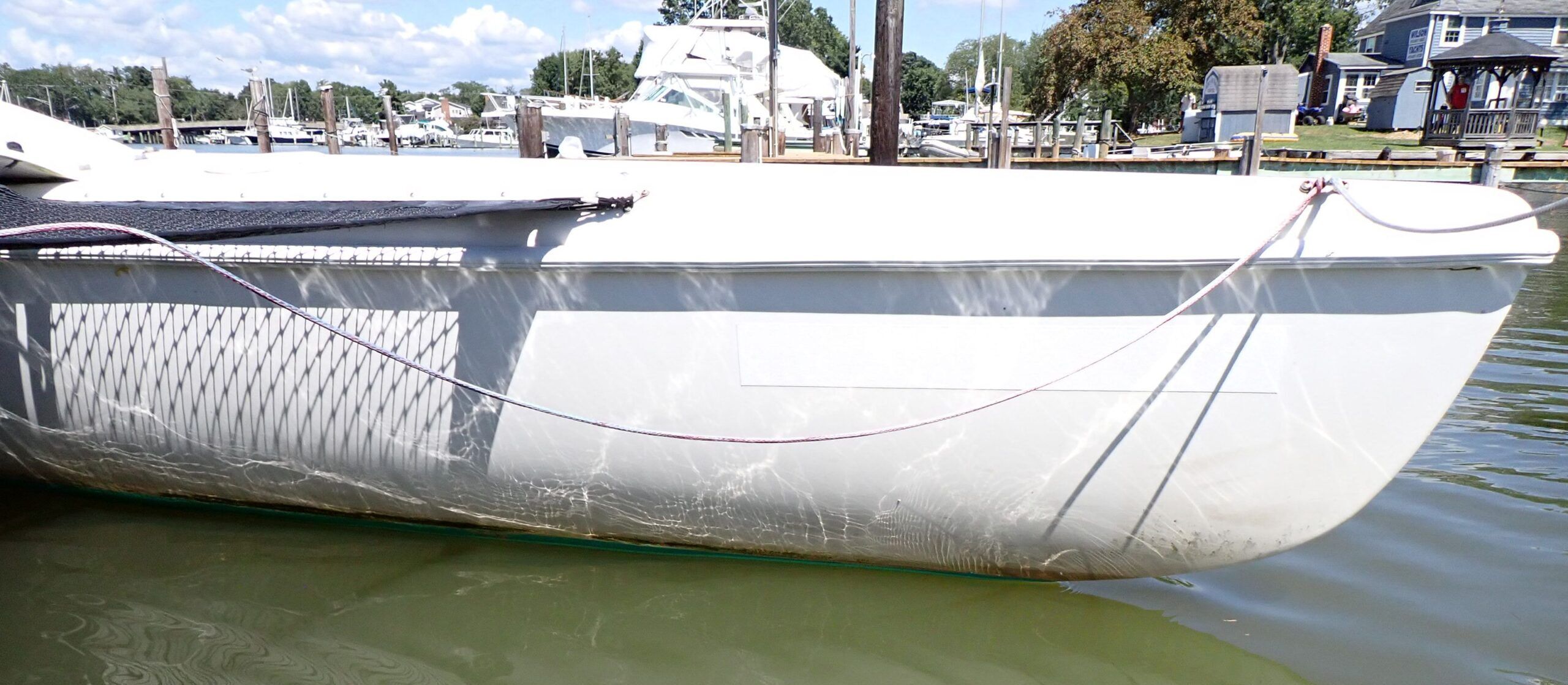
This photo is from June 2023 at about 22 months after paint application. The Krypton was looking good with no hard growth. (Photo/ Drew Frye)
The ama is clean. The only growth is above the antifouling. (Photo/ Drew Frye)

This morning, I was all set for a vigorous scrubbing session since I had not scrubbed or inspected the bottom a single time in 48 months. What I found were just three barnacles and not enough soft growth to fill a tea cup. No painting this fall. The winter cold will prevent growth until at least April, and as for the third summer season, I guess we’ll see how it goes. Perhaps a few scrubs will get us through.
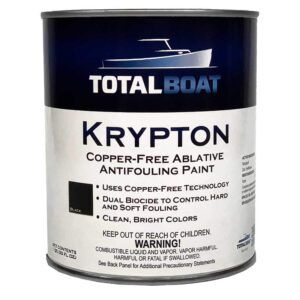
Total Boat Krypton
Total Boat Krypton

The panel in the 2021 antifouling paint tests failed in the third year, but the boat sees more natural scrubbing. Total Boat Krypton is also a self-polishing paint, rather than a soft ablative, and it should take some light scrubbing in the third season better than most. Again, we’ll see.

The Chesapeake Bay is brackish, with only about 25 percent salinity at the test location, but it’s brown water and very active fast fouling most years. Please see “Antifouling for Brackish Water” for a full review of antifouling paints on the Chesapeake Bay.

Bottom Line
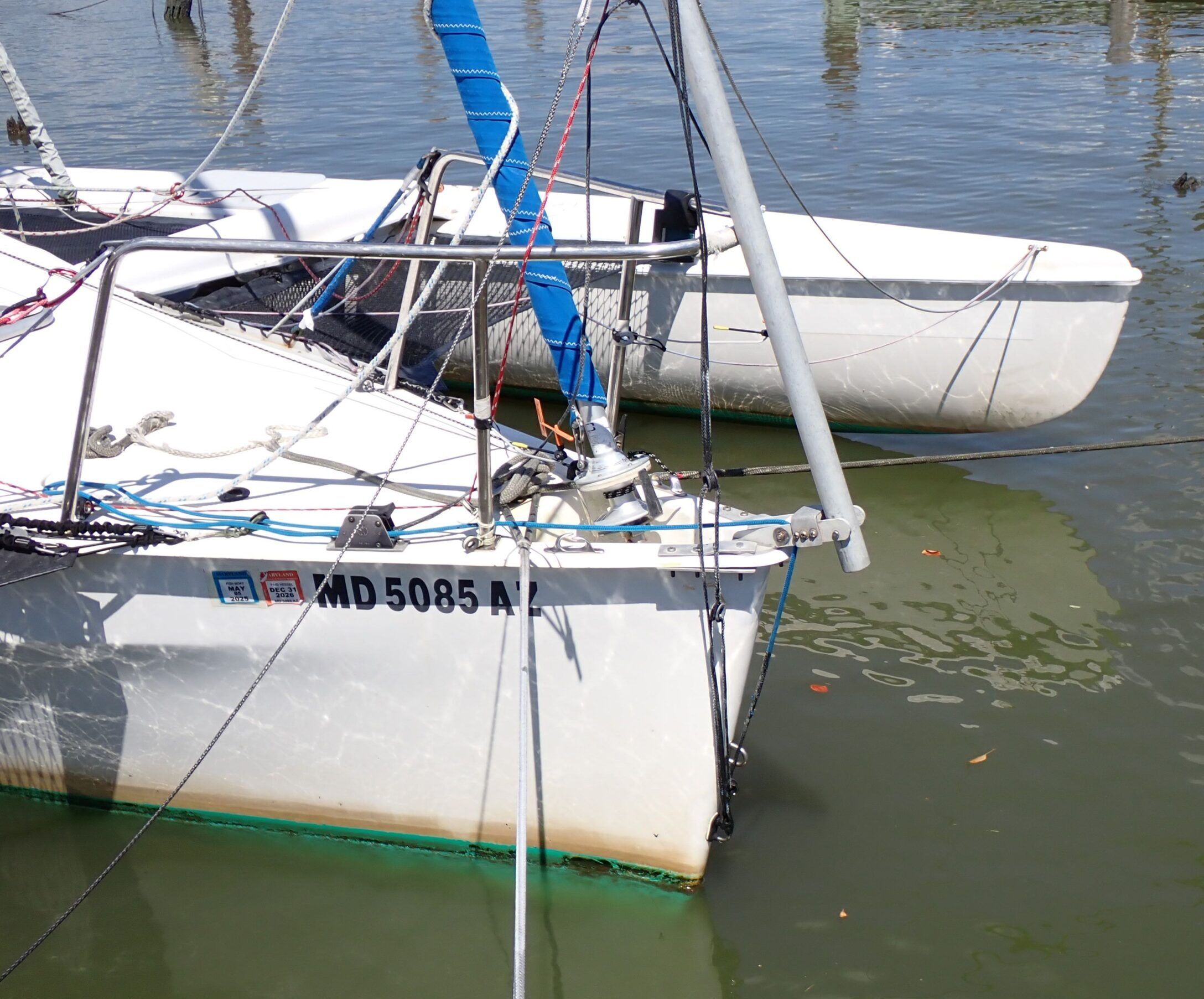
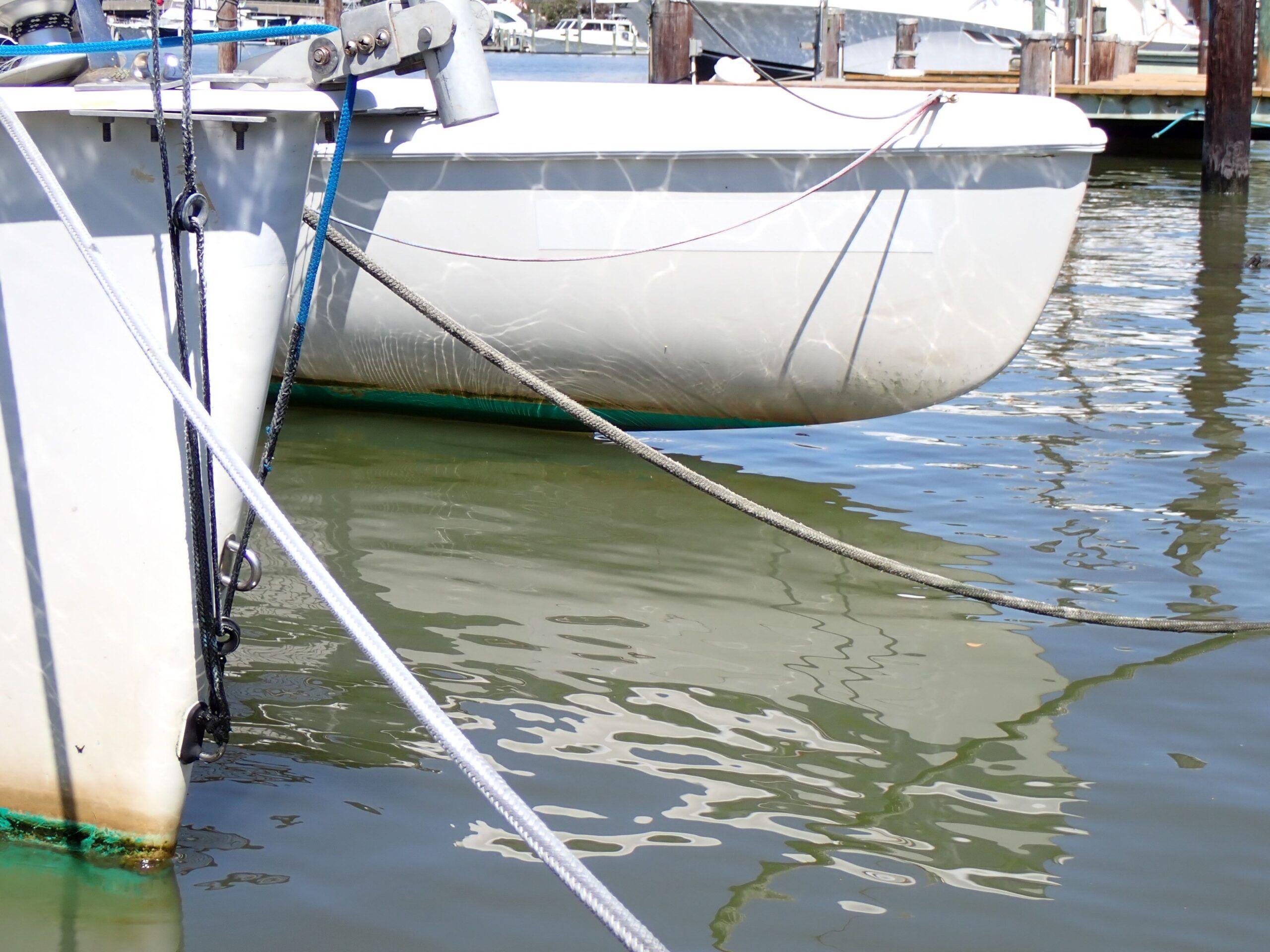
The bow and port ama after a 3-hour sail in fun conditions that knocked off some slime. Only three barnacles. (Photo/ Drew Frye)

Two thumbs up for Jamestown Distributors, Total Boat Krypton. A copper-free paint that delivers. $235 per gallon, available in black, white, blue, red and green.

Drew Frye, Practical Sailor’s technical editor, has used his background in chemistry and engineering to help guide Practical Sailor toward some of the most important topics covered during the past 10 years. His in-depth reporting on everything from anchors to safety tethers to fuel additives have netted multiple awards from Boating Writers International. With more than three decades of experience as a refinery engineer and a sailor, he has a knack for discovering money-saving “home-brew” products or “hacks” that make boating affordable for almost anyone. He has conducted dozens of tests for Practical Sailor and published over 200 articles on sailing equipment. His rigorous testing has prompted the improvement and introduction of several marine products that might not exist without his input. His book “Rigging Modern Anchors” has won wide praise for introducing the use of modern materials and novel techniques to solve an array of anchoring challenges. 

2 COMMENTS

  1. I applied this paint to the bottom of my 32 foot sailboat in mid-august. There is the appearance of substantial soft growth in early October. The boat is kept on Ash Creek in the Black Rock section of Bridgeport which is classed as a tidal estuary.

  2. Every location is different. Sailing frequency and speed are also factors. For example, we spent several hours sailing yesterday at over 12 knots, after which it was as bright green as the day we painted it. Before we headed out there was some slime. This boat is sailed for ~ 3-6 hours every 1-3 weeks, commonly at speeds of around 8 knots, and occasionally more.