




Need A COVID-19 Toilet Quick? Try This Small-boat Sailor Trick
COVID-19 has made it harder to find a clean toilet these days. This is a tiny inconvenience compared to virus's terrible impacts in the...
Need A COVID-19 Toilet Quick? Try This Trailer Sailor...
COVID-19 has made it harder to find a clean toilet these days. If only you could bring a sanitary bathroom with you.
Maybe you have...
Respirator and Dust Mask Safety
A respirator can't protect you if it doesn't fit your face. Its that simple. Anything that prevents a good seal-whether facial hair or a hollow under the side of your jaw-is unacceptable. In a workplace this fit test will be performed in a very rigid manner by a trained technician. However, for the sailor/occasional boat yard worker, we offer this shortcut procedure that is far better than nothing.

Too Many Layers of Bottom Paint?
So, a couple of years back, you acquired a good old boat at a pretty good price-thanks to the market-but now youre wondering how many coats of bottom paint it has. And what kind? Youve put on a few coats of ablative antifouling since youve owned the boat. It has adhered well and has done its job. But each year, the bottom looks rougher and rougher-with big recesses where paint has flaked off. You sweated out some extra prep-work this season, and thought you had a nice, durable subsurface for painting, but each pass of the roller pulls up more paint. Whats going on here?

Annapolis Spring Boat Show Features Great Courses for Cruising Sailors
Spring is a busy time for the cruising sailor, and it's also a good time to sharpen your skills. Sailors moored in the Annapolis...
Drysuit vs. Survival Suit for Offshore Sailing
The problem with survival suits is that theres no telling when the big wave or brutal wind gust will hit, and it may not leave time to don a survival suit. Some survival suits have sewn-in gloves that make it almost impossible to turn on the radio or deploy a personal locator beacon. Thats why wearing a comfortable, breathable drysuit makes sense. It leaves you much more ready to manage the boat in heavy weather. And should the unexpected happen, your odds of survival in the water are better than they would be in foul weather gear.

Capt. Henry Marx Memorial Safety at Sea Seminar
Get a great overview of the essentials of safety at sea during the day-long Capt. Henry Marx Memorial Safety at Sea Seminar in Hampton...
Beware of ‘Tankless’ LPG Water Heaters
Tankless propane water heaters carry serious risk of causing carbon-monoxide poisoning or oxygen depletion when mounted in a tight or sealed space. Because a boat is more tightly sealed than a shoreside home, the carbon monoxide is more likely to become trapped.
Welcome to the new Practical Sailor website! New passwords required.
We’re pleased to present to you Practical Sailor’s brand-new website. On the site, you’ll find our sailing gear, equipment and boat reviews from 1998...
Boat Insurance Shopping Tips
If youre in the used boat market, late fall usually offers a good opportunity for buyers. Owners in snow-bound states face haulout and storage expenses for a boat they will only put on the market again in the spring. But before you can start filtering through the used-boat websites looking for great deals youll want to get a clear picture of what your insurance options are. In the upcoming January 2020 issue, we explore the topic of consequential damage, a potential loophole in some policies that your insurer might use to deny coverage.

Morgan 382 – The $30K Boat Nobody Talks About
The Morgan 382 might be one of the most overlooked cruising sailboats ever built. Designed by legendary naval architect Ted Brewer and produced between...



Latest Sailboat Review
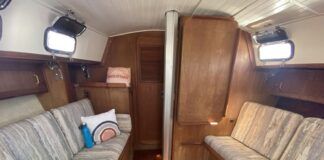
Caliber 33 Used Boat Review
The Caliber is a peculiar blend of tradition and innovation, of security and performance, of practicality and pizzazz. All of the owners we heard from were "satisfied." One called the 33 his favorite boat over six decades of sailing.