


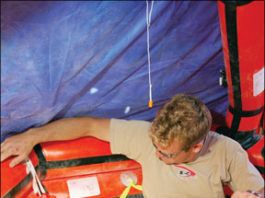
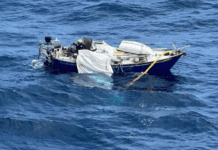
John Campbell’s North Pacific Rescue
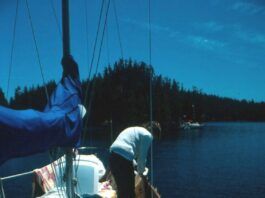
Clip on your safety tether. Far out in the North Pacific, solo sailor John Campbell was about to face the kind of ordeal most...
Best CARB-Compliant Gas Cans: SureCan vs. Scepter
Everyone hated the first generation of CARB gas cans. While they were intended to reduce volatile emissions by recovering vapors and reducing spills, they...

VHF Radio Safety: What Every Sailor Needs to Know Before a Mayday
One of the most important rules while out on the water is to always lend a hand if possible—without risking your own crew and...

Lithium-Ion and LFP Battery Fires: The Real Risks Sailors Face
Before we consider the safety issues of lithium-ion batteries, we should remember that lead acid batteries are not without risk. Apart from the obvious...

Floating Your Rode
Anchoring in clean sand and mud is easy. But cruising takes you places where anchoring isn’t easy.
The golden rule with coral, grass beds, jumbled...
Reefing Basics
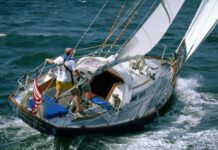
As the forecast for this season calls for much cooler temps and more frequent higher wind speeds and gusts, thanks to the effects of...
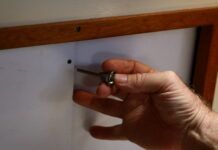
Cabinet Hardware That Holds When It Counts
One of the aspects of safety on a voyaging sailboat that I am most concerned about is that objects stay stowed where they're supposed...
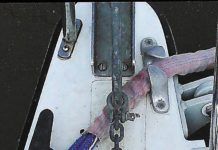
Stopping Anchor Chain Twist
When an anchored boat spins, the anchor chain twists, and the anchor can come up backward. One solution is an anchor swivel, but failures with some poor designs are a concern-a lovely stainless swivel on one of our test boats had an interior crack that became visible only when disassembled. And as we found in our most recent test, many swivels arent very effective at reducing twist due to the inherent friction in the swivel.(see How Well Do Swivels Reduce Twist, Practical Sailor March 2016 online).
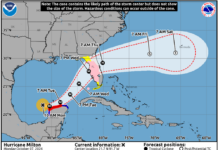
Hurricane Center Changes Every Skipper Should Know
With all the talk about a record El Niño coming this summer and climate change generally leading to more severe storms, we all need...
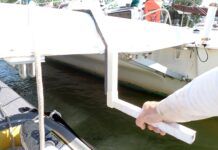
DIY Kayak Boarding Assist Arm
Exploring beaches, marshes, shorelines—and yes, small towns—is one of sailing’s greatest joys. The challenge is getting in and out of a dinghy or kayak,...
Latest Logbook

Practical Sailor Logbook – September 2026
In September we tour the Hans Christian 48T — the offshore cruiser many sailors call the holy grail — walk the custom Antigua 60...
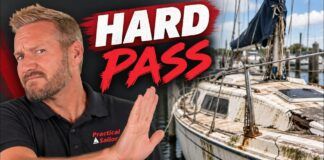
Video: If You See This on a Used Sailboat, Walk Away
If you’re searching the used sailboat market, comparing sailboats for sale, or learning how to inspect a sailboat before buying, these are the red...



Latest Sailboat Reviews
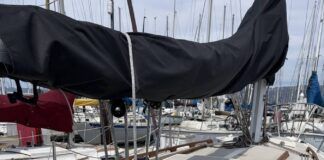
Cal 2-27 Used Boat Review
Our story begins in 1970, with the introduction of the Cal 29. Looking for something similar but a bit smaller, the company asked designer Bill Lapworth for a 27-footer, which at first was the Cal 27, a fin keel, spade rudder design with a convertible pop top; another incarnation of this basic hull was the T/2. But the concept of the 29 found its full expression in the Cal 2-27, which began production in 1975 and continued to 1977, after which it was again modified and called simply the Cal 27...again. Production of it ceased in 1986.