



Helping Your Boat Battery Survive Winter Storage
If you havent put much thought into storing your battery for the winter yet, don't delay. If the batteries are removed from the boat, they should be stored in a cool place that does not drop too far below freezing. A basement or garage is fine. You can keep house batteries on the boat, but if you do, you should take the usual winterizing steps-cleaning the battery top and battery posts, filling the electrolyte, eliminating any loads that may discharge the battery-and checking voltage and recharging on a monthly basis.
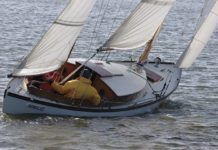
End boom vs. mid-boom sheeting
The right mainsheet solution depends upon your own sailing preference, but a few general principles reign true. The farther forward on the boom the mainsheet is attached, the more of a downward effect (vang-like) sheeting elicits. The resulting elimination of twist may or may not be desirable, but it's part and parcel of the trimming process. It's no surprise that almost every performance-oriented sailboat is designed with end-boom sheeting.
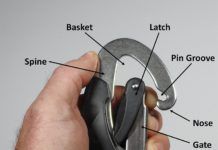
Tether Clip Update
In response to the recent failure of a safety tether that resulted in a fatality during the Clipper Round the World Race, weve completed a fairly comprehensive round of testing on various tether (boat-end) snap-hooks. Some of our findings are disturbing and do not fully agree with public statements being made by race officials, but this is not unexpected since the official investigation is still ongoing. Here we will focus on the most important findings, and offer specific tips on safely using your safety tether.
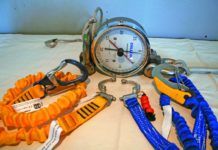
Check Your Safety Tethers
Just as we were wrapping up the report in our December issue describing how to make your own safety tether, 60-year-old British sailor Simon Speirs went overboard and died during the Clipper Round the World Race in an accident linked to a tether safety clip failure. The race, which charges non-professional sailors to race with pro skippers, was already under scrutiny after two deaths in the previous running …
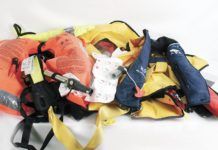
PFD-Harness Good Sense
In the wake of the recent fatal accident in the Clipper Around the World Race, we look again at the hard won guidance on inflatable PFD/harnesses. It is not enough to simply have sufficient number of PFDs on board. Today's inflatable PFDs require regular maintenance, special care when re-arming or repacking, and regular testing to confirm that they will work as designed. Given our experience with these devices, we also recommend at least one test (manual) inflation before setting out on a long cruise.
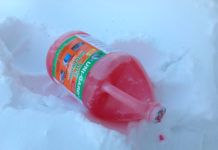
Marine Antifreeze Problems: When Pink Antifreeze Freezes
Our research into the various marine antifreeze additives on the market has produced many interesting findings, among them the correlation between improper boat winterizing and a stinky water tank.

Loose Ships Sink Sailboats
Two different harbors suffered almost the same fate as Hurricane Irma raked South Florida with hurricane force winds. In both places, tens of thousands of dollars in damage might have been prevented had the owners of large vessels better secured their boats.In Boot Key Harbor, Marathon, a fifty-foot houseboat broke lose from its anchor and went careening through the mooring field where dozens of boats where moored. According to the salvage crews I spoke with, the houseboat was one of the key contributors to the pile-up in the harbor that caused several boats to break loose and go ashore. Falling like dominoes, boat after boat stacked up at the dinghy dock, in the mangroves, or into a bridge on the north side of the anchorage.

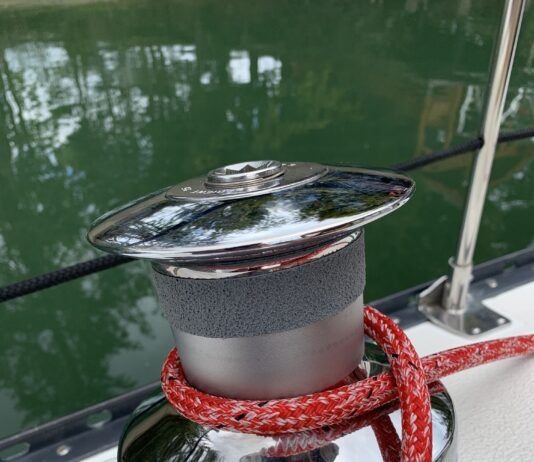
Preserving Your Nonskid Deck
As we found in our test of do-it-yourself nonskid deck paints and panels, revamping a nonskid deck is a time-consuming project, one that you'd rather not have to repeat every few years. Here are a few tips to help you get more mileage out of your nonskid deck.

Earthquake and Tsunami Awareness
PS ContributorsJohn Neal and Amanda Swan Neal of Mahina Expeditions bluewater voyaging school have weathered a few earthquakes and tsunamis in their decades of...
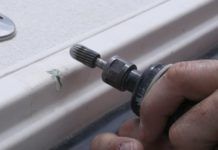
Gelcoat Repairs Revisited
If you have made it this far through the cruising season with nothing more than a few dings and chips on the family cruiser you can count yourself very lucky. Achieving the same level of gelcoat gloss, adhesion, and color of the original hull or deck is a kind of black art, and it is a field full of pretenders. You could run a weekend movie marathon with all of the YouTube DIY channels offering bad advice on gelcoat repairs.

Morgan 382 – The $30K Boat Nobody Talks About
The Morgan 382 might be one of the most overlooked cruising sailboats ever built. Designed by legendary naval architect Ted Brewer and produced between...



Latest Sailboat Review
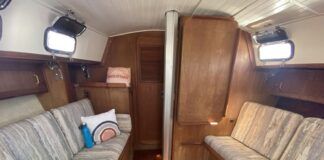
Caliber 33 Used Boat Review
The Caliber is a peculiar blend of tradition and innovation, of security and performance, of practicality and pizzazz. All of the owners we heard from were "satisfied." One called the 33 his favorite boat over six decades of sailing.