




PS Guru on Tour this Fall
Those who enjoyed our recent three-part special report highlighting the trends in sailboat design and construction-focusing on structure, stability, and performance - can thank PS Technical Editor Ralph Naranjo, who called upon his decades of experience as a voyager, boatyard manager, and marine safety consultant to weave those pieces together. The articles offer a peek at what youll find in his outstanding opus, The Art of Seamanship, which was published last spring and is now available in the Practical Sailor online bookstore, www.practical-sailor.com/books.
Do-It-Yourself: Onboard Security
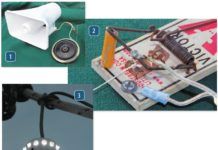
Some ports and anchorages are safer than others, but it never hurts to be cautious when it comes to boat security. When youre away from the boat, blasting a loud stereo down below can give the appearance that someone is onboard and may slow a prospective thief. (Doesnt everyone turn radios and TVs off when they leave?) Trailing a spare dinghy or kayak off the stern is also a good deterrent, as is on-deck illumination.
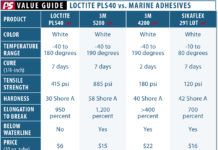
Low-priced PLS40 Caulk Onboard
We usually use 3M polyurethane caulks for boat projects: 5200 for permanent fixes, or 4200 if its something that might need servicing later. The 3M products are impressive but are too expensive for use around the house. About 15 years ago, while looking for something better than silicone and latex caulks for general use, I noticed Loctites PL line of caulks and decided to give them a try, thinking they might be useful for some onboard applications.

Mailport: August 2015
As requested in your July 2015 article, Keeping Water Clean and Fresh, we are suggesting an evaluation of the two-part liquid Pristine (www.pristine.ca) and the Puri Sol water treatments; both use a process utilizing chlorine dioxide for killing bacteria and viruses in contaminated water. This means of sanitizing is purportedly used in hospitals in Europe, and in our experience, it is easy and effective. We have used it in the flexible bladder tanks that were original equipment on our motor-sailer for many years. It is used, apparently, by the military, as well.

Rigged for Small Spaces
After a decade-long sailing sabbatical in the 1990s, my wife Theresa and I swallowed the anchor and settled into our first apartment. It was a two-room studio across from the hospital in Newport, R.I. I gasped when the owner first showed us the place.
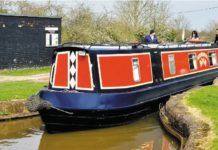
Share Economy Goes Boating
If measured in dollars per hour on the water, the cost of owning a boat can seem an expensive proposition. According to one study, nearly 16 million recreational boats in the U.S. sit unused for 348 days of the year. In a January 2006 article, we looked at fractional ownership as a way to offset costs. Todays burgeoning share economy has opened up another option: peer-to-peer (P2P) boat rental.
DIY Mast Boot
With a little imagination and some inexpensive materials, you can put together a leakproof mast boot in a few hours. 1. Roofing Rubber One reliable boot sealer is self-adhesive ethylene propylene diene monomer (EPDM), a common rubber-membrane roofing material. Sold at local building supply stores, the rubber is black in color and comes in a roll that is 5 inches wide. (Dont confuse it with ice and water shield, which is much thinner.) Peeling the plastic backing from the underside of the EPDM material exposes the sticky side. Arrange precut strips prior to permanent installation. We suggest using American-made products as the imported stuff doesn't adhere well to itself.
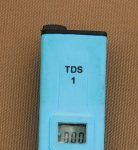
Water Testing Tools
Leave water from any source in a storage tank for a while, and interesting things will start to grow. Only the purest water in an airtight bottle will have a long shelf life. But not all bottled water is what the label says it is. For a cruiser, there are two water-testing tools that are important, and a third tool that is helpful in determining what is going into a tank and managing the quality of fresh water on a long-range cruising boat.
Chandlery: July 2015
It always happens. Youre ready to embark on your first overnight cruise of the summer; you flick on the masthead light, and . . . nothing. Even if you don't plan a full-time career as a rigger, youll want some way of getting aloft for repairs or emergencies. We recently had the opportunity to try a chair made by the Connecticut-based sailmaker Hathaway, Reiser, & Raymond, makers of the Galerider drogue. The chair, which was designed by professional riggers who spend hours aloft each day, is constructed of heavily reinforced Dacron that can be adjusted to fit snugly around the thighs. A thick, adjustable webbing strap supports the back, and a safety tether and heavy-duty snap-hook are stitched onto the lifting ring. Velcro pockets on either side hold tools.

Finishing the Cabin Sole
Im in the process of installing new teak and holly veneer in the interior of my boat. I have the old floor out and have the new plywood/veneer cut. I am ready to varnish/seal the new veneer, but I am in gridlock as to how to go about it.

Small Boat, Big Keel Why This 27 Footer Works
What makes a small sailboat truly seaworthy? In this video, we take a deep dive into the Pacific Seacraft Orion 27, a rugged, long-keel...



Latest Sailboat Review
Island Packet Estero Used Boat Review
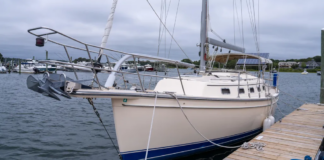
Florida-based Island Packet targets a relatively narrow niche, so the toughest competitors to its new boats are often older Island Packets. Introduced in 2010, the 36-foot, shoal-draft Estero is the company’s latest attempt to introduce a distinctive model that doesn’t stray too far from the company’s proven formula for success: moderate displacement, full-keel cruisers designed to be lived on, sailed far and in comfort, and endure the bumps, scrapes, and storms that cruising boats inevitably encounter. After sailing the Estero on Florida’s Sarasota Bay and inspecting its interior, construction, and systems, Practical Sailor testers noted that the shoal-water cruiser will appeal strongest to Island Packet fans who’ve been waiting for a shoal-draft, easy-to-sail boat that compares to the IP37 in terms of interior space. These strengths will be most apparent on intracoastal or riverine adventures like the Great Loop.