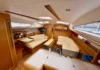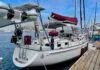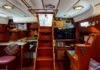

For better or worse, technology is changing cruising. It is turning sailboats into floating workshops, offices, cafes and even cinemas. While not every cruiser is adopting these changes, many modern cruising boats now carry far more electronics than they did even ten years ago. The difference is that today’s gadgets are no longer just for entertainment. Many have become genuine problem solvers—tools that reduce guesswork, save time and sometimes save money.
This is not a list of luxury toys. These are pieces of technology that everyday cruisers use to maintain their boats, manage power, and make life at anchor a little more comfortable.
Bore and Inspection Cameras
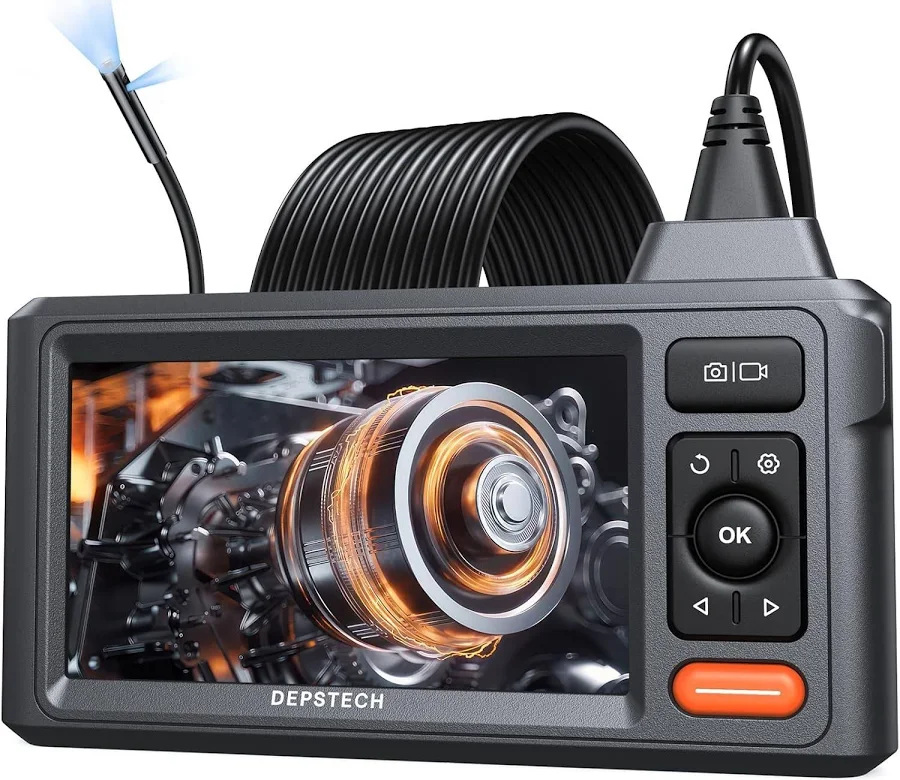
A small camera with a big job. Bore cameras, also known as endoscopic cameras, allow sailors to see inside places that are otherwise inaccessible without major disassembly.
Onboard Raicilla, we have used ours to trace fuel lines under the V-berth and cabin sole, locate wiring runs, and even retrieve a stainless-steel grab rail that fell into the marina water. Some models are fully waterproof, which turns them into retrieval and inspection tools instead of just diagnostic ones.
For us, the value isn’t just in seeing. It is in avoiding unnecessary destruction. Cutting access holes or tearing apart systems becomes a last resort instead of the first step.
Prices range from about $50 to over $200. Cable length, camera resolution, wireless reliability, and waterproof rating matter.
We use a Depstech Dual Lens Endoscope from Amazon at around $65 CAD. The image quality is not exceptional, but it is good enough. Our first unit failed, but the company replaced it quickly.
For most cruisers, a bore camera will pay for itself the first time it prevents unnecessary labor or helps diagnose a problem early.
Projectors and Portable Screens

Living on a small sailboat forces creative thinking about space. We love a good movie night, but traditional televisions are too big and power hungry, while our laptops are just too small. However, a small projector and portable screen solve both problems. They store easily, draw modest power, and turn any flat surface into a movie theater.
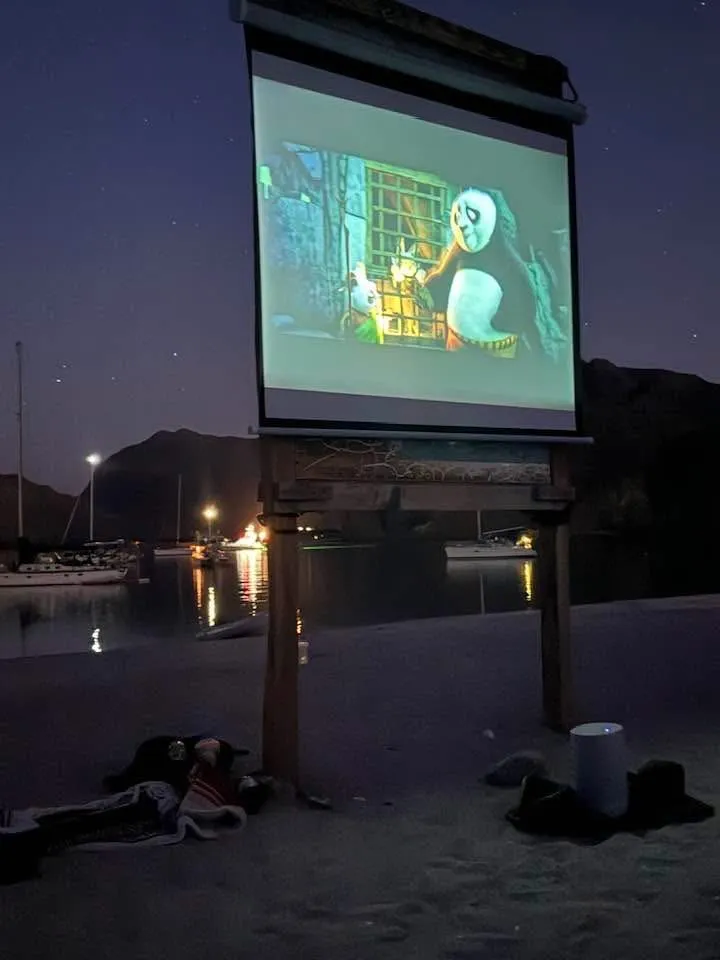
We often project directly onto our screen in the cabin, and when conditions allow, we take the setup ashore and host group movie nights on the beach. Dinghies become front row seats.
Projectors vary wildly in brightness, resolution and power consumption. Cheap models work in complete darkness but struggle at dusk. Higher quality models maintain clarity with less perfect conditions.
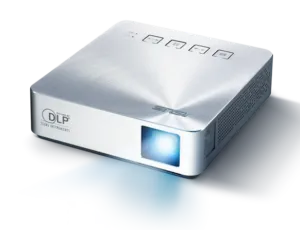
We chose the Asus S1 for its balance of brightness, portability and low power draw. Friends use a Kodak version with similar success. Both perform well.
Screens can be purchased, like we did, or improvised. Many cruisers use sheets—our friends on Appa sewed their own. The point is not perfection, it is flexibility.
Hookah Diving Systems
If one piece of gear consistently makes a boat popular at anchor, it is a hookah diving system.
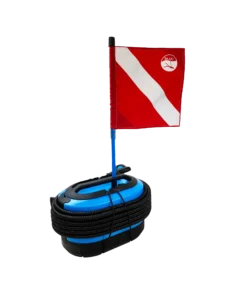
A hookah allows a diver to breathe compressed air from the surface through a hose while working underwater. It removes the need for repeated breath holds or hauling scuba tanks.
For cruisers, this means easier zinc changes, hull inspections, prop checks and bottom cleaning. It also improves safety because the diver can work calmly instead of rushing for air.
DIY hookah systems are common and relatively inexpensive. Most use an oilless air compressor, proper filters, brass fittings and a quality scuba regulator. Many online tutorials, including those from the Sailing Brothers, show step by step builds.
Commercial systems are also available. The Blu3 Nomad is popular among cruisers for its compact design and ease of use.
Regardless of whether it is DIY or purchased, a hookah system quickly becomes one of the most used maintenance tools onboard.
3D Printers
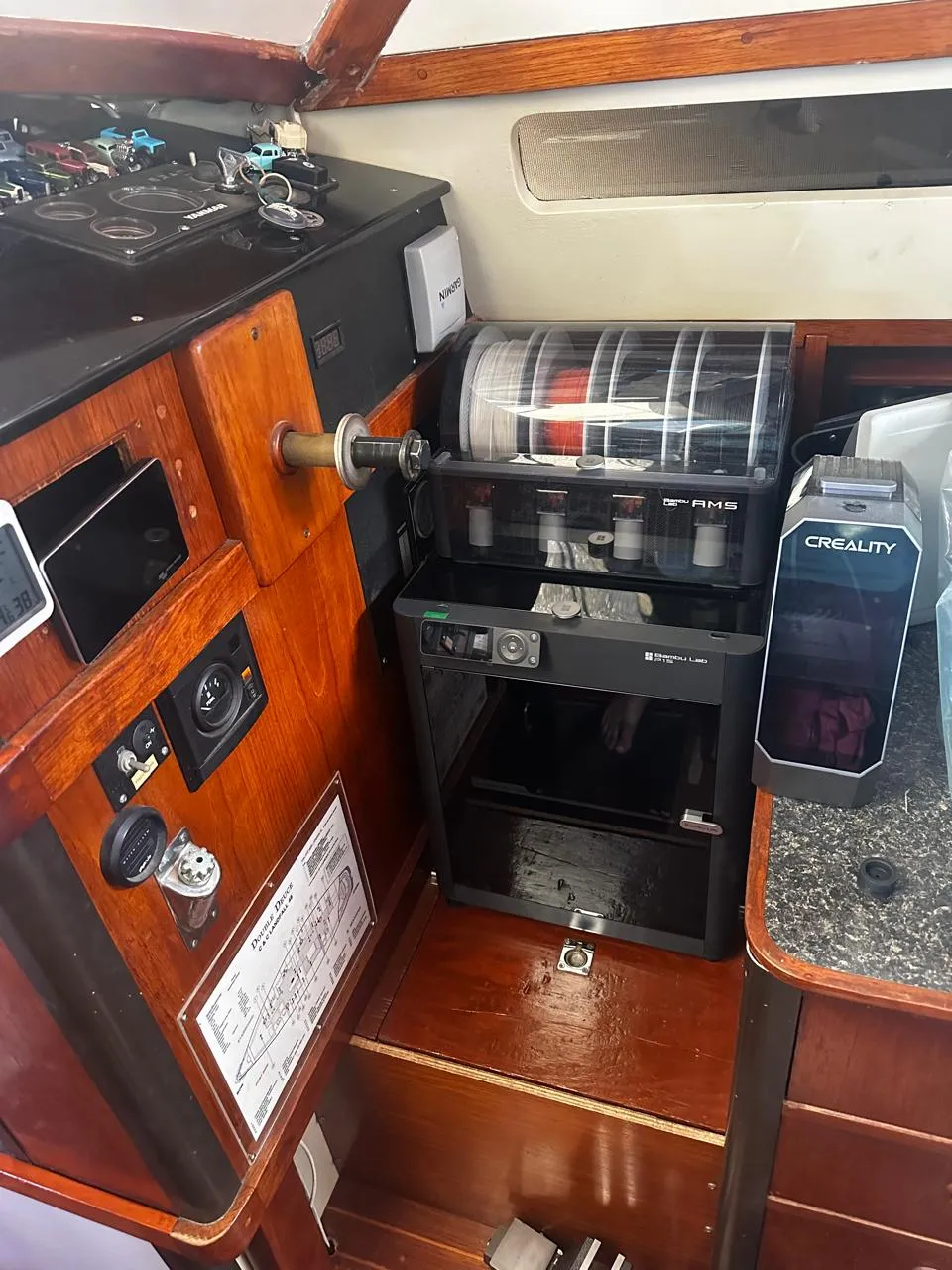
Once dismissed as novelty toys, 3D printers are slowly finding legitimate roles in cruising life. See “3D Printing for Boat Projects: A Beginner’s Guide.”
The crew of Double Deuce uses their Bambu printer to create protective covers, mounts, splints, and replacement parts. Their wind vane cover was printed to prevent chafe against the dinghy. They have also printed medical splints, hose guides and custom brackets.
Other cruisers use printers to prototype parts for fit before sending them away to be cast in bronze or machined in metal. Mast collars, bushings, and odd engine components are common examples.
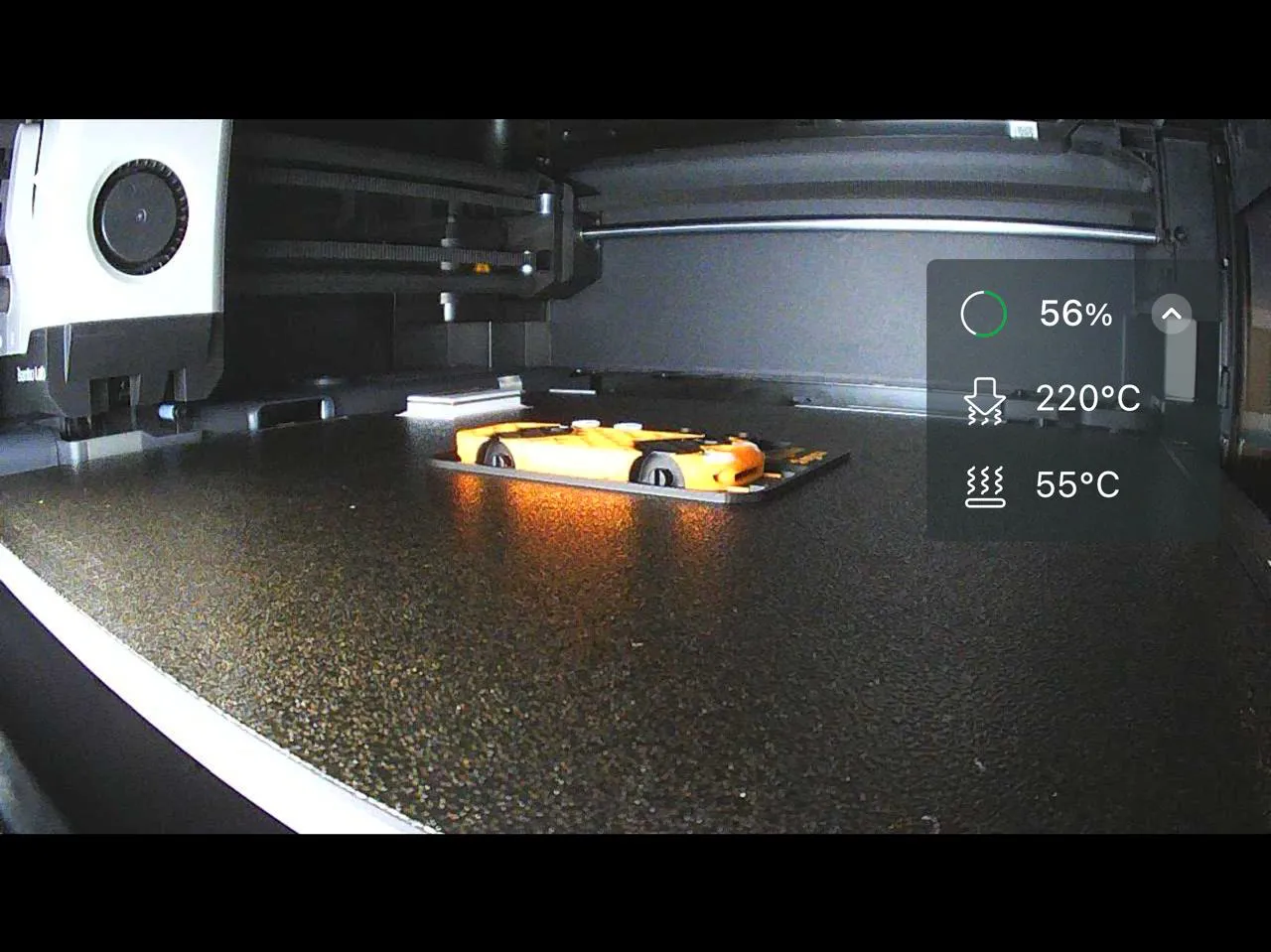
A 3D printer is not for everyone. It requires technical interest, patience, and a willingness to learn software. The machines are not small, and printing draws steady power for long periods.
However, newer printers handle vibration and motion better than earlier models, making them more suitable for life aboard.
For the right cruiser, a 3D printer becomes less of a gadget and more of a manufacturing tool.
USB Charging Bricks and Power Management
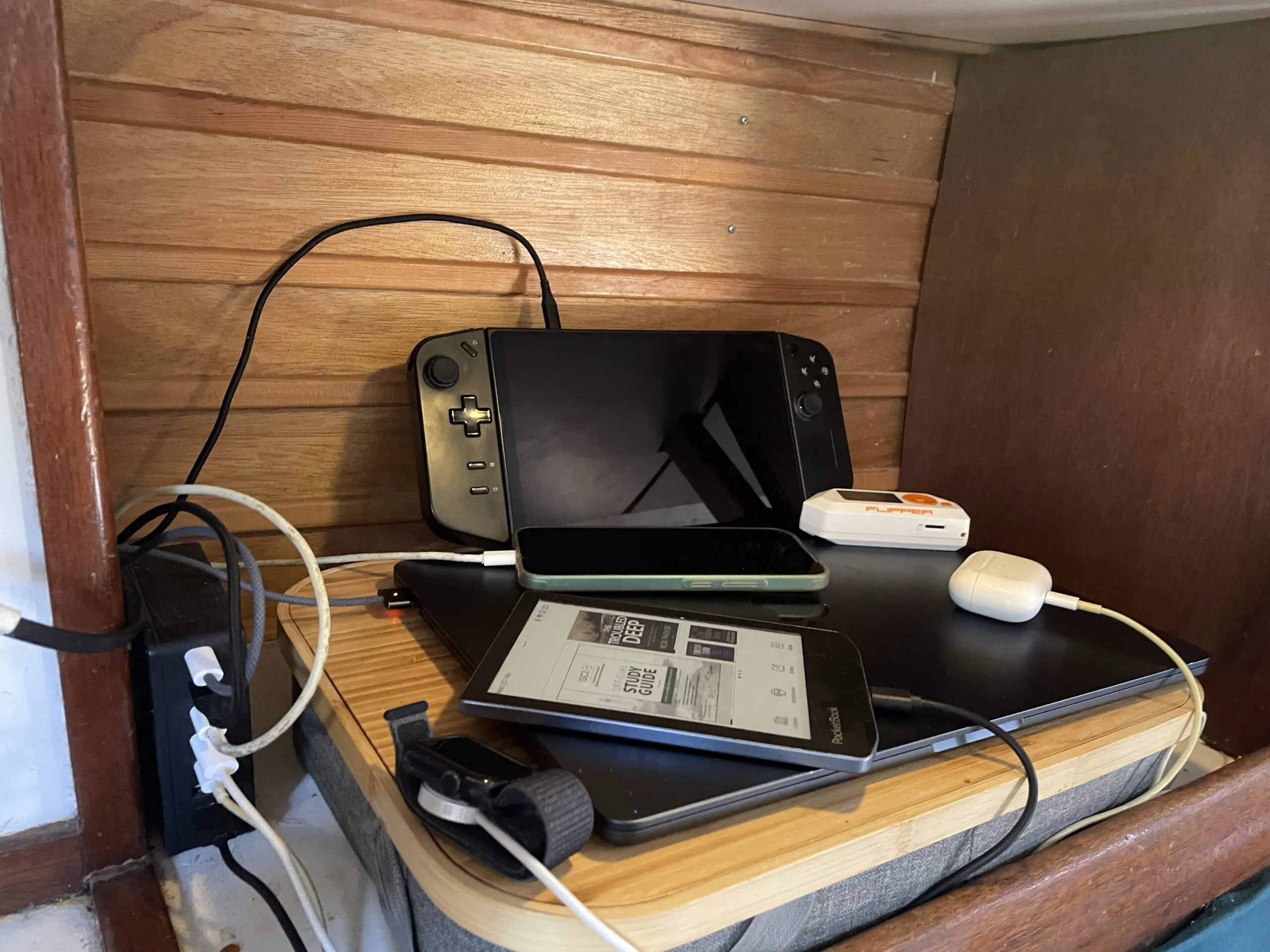
Modern USB charging bricks have quietly become some of the most useful pieces of gear onboard, especially for families and working cruisers. One unit can now charge laptops, phones, tablets, cameras, headsets and even gaming consoles.
Most models combine USB C and USB ports with outputs ranging from 20 watts to 140 watts per port. Some deliver up to 600 watts collectively.
For us, this reduces clutter, improves efficiency, and shortens inverter run time.
Quality matters. Cheap chargers often run hot, deliver inconsistent power, and fail prematurely. Good chargers include thermal protection, short circuit protection, and solid cable strain relief.
Portable Solar Generators
Portable solar generators like EcoFlow and Jackery fill a useful niche for cruisers. They provide AC power without running engines or generators and can be carried ashore when needed.
We cruised with an EcoFlow on our first boat to charge electronics and power a small 12-volt cooler. On Raicilla it serves as emergency backup power, power for our emergency bilge pump, and beach party energy supply.
Our unit includes a 2,000-watt inverter and a 175-watt folding solar panel. For many boats, that combination covers laptops, tools, cameras and small appliances.
The true benefit is flexibility. Power can be moved to where it is needed instead of routing cords through the boat—or to shore.
Everyday Comfort Gear
Cruisers are practical, but they are also human. Comfort underway and at anchor matters.
USB Fans
Small clamp fans improve airflow dramatically. Many run for up to twelve hours on low and recharge easily. For us, they provide extra exhaust when cooking and extra cooling in our otherwise hot aft cabin.
12 Volt Fridges and Freezers
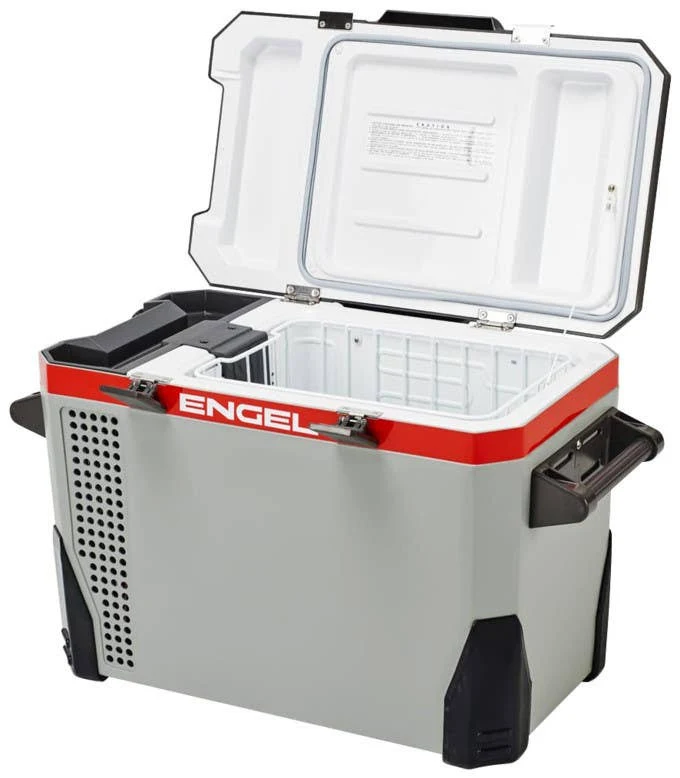
Extra refrigeration extends time between provisioning and opens up more remote cruising options. Engel and Dometic seem to be the most popular brands aboard boats. Our Engel holds minus 13 degrees Celsius while drawing one to two amps.
Coffee
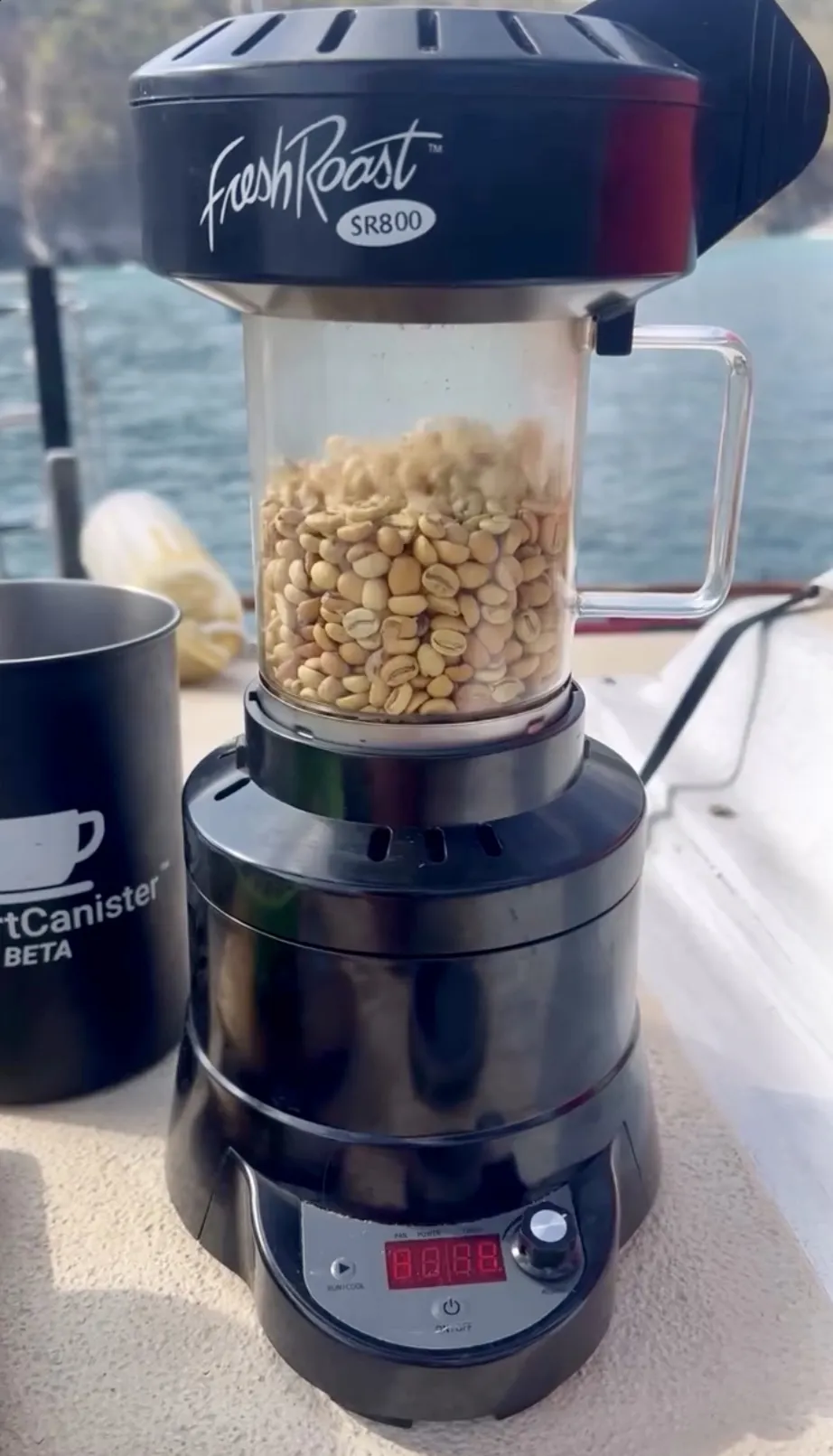
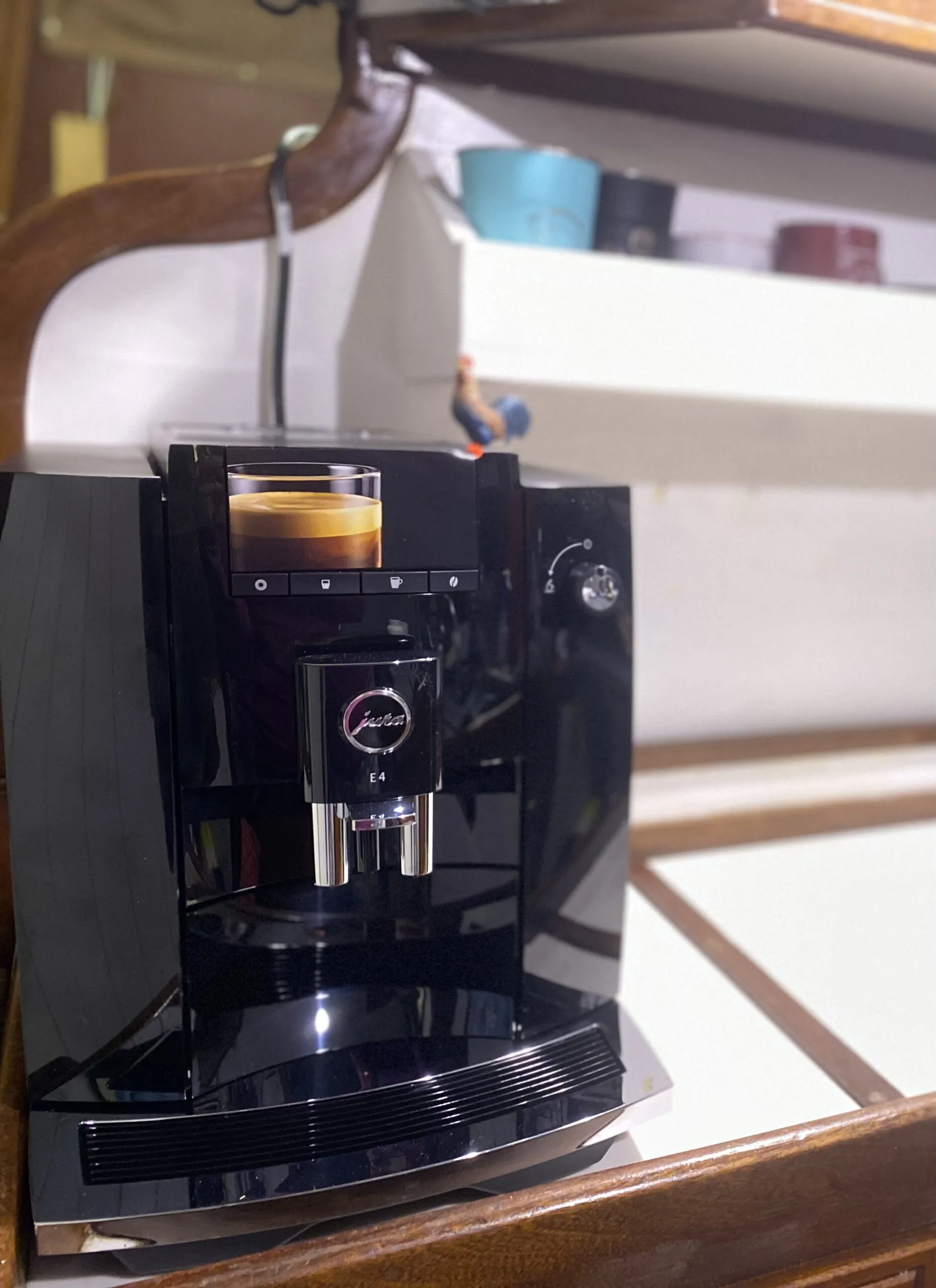
Coffee is a hot topic amongst cruisers and almost everyone has an opinion. For us, we have ample battery power and keep a Jura E4 Super Automatic on board, while other friends choose a much simpler set up with a hand grinder and a French press. The crew on Island Fox takes it a step further with a home roasting set up.
Choosing Gear with a Cruiser Mindset
Buying for a boat is different than buying for a house. Houses come with space for endless gadgets and electronics as well as the power to use them. Cruisers need to prioritize power use and space over endless gadgets.
Before buying any gadget, ask:
- Can I fix it?
- Can I power it easily?
- Where will it live?
Technology on a cruising sailboat is not about luxury anymore. It’s about making life aboard a little easier. The right gear reduces stress, saves time, and keeps you moving when parts, power and services are far away.
Every cruiser builds a different system based on boat size, budget and priorities. The goal is not to own the most technology. It is to own the right technology.
What gadgets are essential on your cruising boat? Let us know in the comments.