




A Year Later: Liquid Wax Test Results 2010
Gelcoat, particularly porous gelcoat, requires a more specialized wax than what youd use on your car. And while most of the liquid waxes we tested are liquid polymers designed specifically for gelcoat surfaces, we also tested some automotive waxes to see how theyd fare against the best marine waxes. These test products are designed to be the final layer of hull protection applied to a new boat or to a boat with oxidized gelcoat that has been thoroughly compounded and polished to a smooth, shiny finish. We tested liquid waxes from Star brite, Cajun Shine All, Collinite, 3M, Mothers, Restructure, Interlux, Imar, Nu Finish, Flitz, Yacht Brite, Woody Wax, Marine Shield, Meguiars, Flagship, Glare, West Marine, Turtle Wax, Island Girl, MP Pros, and Zaino Brothers.
The Best Sailing Gear of 2010
Practical Sailor offers the annual selection of Editors Choice products for the Gear of the Year 2010 lineup. We hope the list will guide you through the dizzying array of gear at the fall boat shows, or at least help you whittle down your wishlist for Santa. The roster covers a broad spectrum of products-from gadgets for measuring speed to a performance multihull built for speed-that have bested their peers in our tests. The lineup includes gear from Spinlock, Brion Toss, Lopolight, Selden Mast, DuBarry, Keen, Standard Horizon, and Mastervolt. It covers LED navigation lights, bosun chairs, footwear for sailors, and marine electronics. Boat maintenance products from Polymarine and Interlux also made the list.

Mailport: September 2010
Letters to Practical Sailor from our readers. September 2010's topics include barnacles, teak finish, knots for a bosun chair and LEDs.
PS Advisor: Black Streak Blues
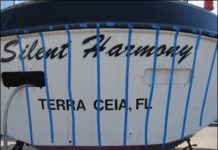
I use Collinte’s No. 885 Heavy-duty Fleetwax in the Chesapeake Bay area, and I’ve been impressed with how well water still beads each spring as I wash the hull in preparation for a new coat. But no matter how nice the shine, black streaks develop, starting with the first rain following waxing. I think the boat would look better with no wax than with wax with black streaks.
Fast Flow Pump: The Name Says It All
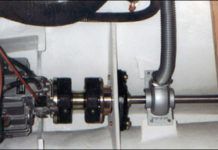
Originally designed for pumping operations on land, the Fast Flow engine-driven pump has a tremendous pumping capacity, with the ability to move nearly 5,000 gallons of water per hour (at 800 rpm). Thats nearly five times the amount of the average electric bilge pump. The Fast Flow Pump comes in a variety of sizes, but a close look at installation and fittings is necessary to determine if the pump will fit on a particular boat.
The Great Stickup: Practical Sailor Tests Marine Adhesives, Caulks, and Sealants
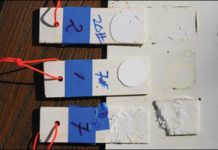
Practical Sailor rounded up seven readily available marine sealants and adhesives, including products from 3M, West Marine, BoatLife, and Sika Corp. The test included four polyurethane-based products, one silicone product, one polysulfide caulk, and one polyether caulk. Testers found that not all caulks will work for all applications. For example, the versatile polyurethane 3M 4200 was fast drying but didnt adhere well to wood, and all polyurethane products have to be kept away from acrylics and Lexan surfaces. Products tested were: 3M 5200 Fast Cure, 3M 4200 Fast Cure, West Marine 8200, Sikaflex 291 Lot, 3M Silicone, BoatLife Life-Caulk, and West Marine Multi-caulk.
The Liquid Image 310 Video Mask
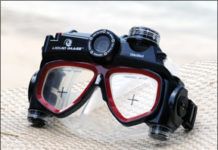
For those of us who spend nearly as much time under the water as on it, the Liquid Image 310 video mask sounded like a great addition to our diving kit-and a good fix for our gadget addiction-so we had to give it a try when we came across it at a spring boat show.
Mailport: August 2010
Letters from the August 2010 issue of Practical Sailor. Subjects include: Shore anchoring, feathering props, earth-friendly cleaning products, staying hydrated and dink repairs.
Antifoulants for Propulsion Systems
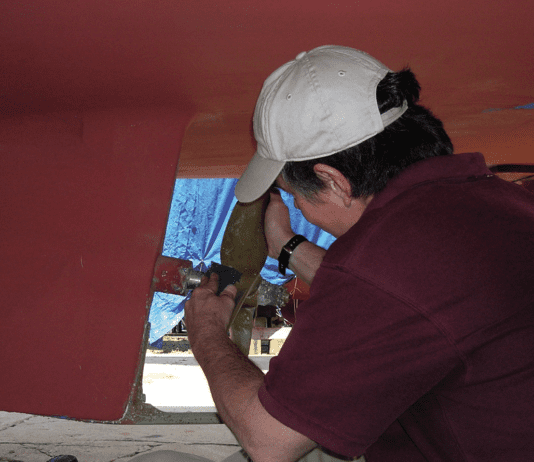
In our search for the Holy Grail of prop paints, Practical Sailor testers delved into specialized multi-part coating systems. In the spring of this year, we had Matrix Engineering Concepts Mussel Buster Prop Coating applied to the propeller of our Union 36 test boat. Prior to that, the prop had been the test platform for Oceanmaxs Propspeed, which we featured in the November 2006 issue. In this report, we take a look at the newer product, Mussel Buster, and its application, and will weigh its pros and cons against other prop coatings, including Propspeed, Interlux Trilux Prop & Drive, and Pettits Alumacoat SR.
Mailport: July 2010
Letters to the editors of Practical Sailor in July 2010 include questions and comments about mildew, galley blenders, teak cleaners, online captains courses and personal hydration.
Latest Logbook

Practical Sailor Logbook – September 2026
This month we tour the Hans Christian 48T — the offshore cruiser many sailors call the holy grail — walk the custom Antigua 60...

Video: Morgan 44 Review – The Catalina Cruiser Everyone Forgot
The 1989 Morgan 44 is a big center-cockpit cruising sailboat with Catalina DNA—but it may be one of the most overlooked boats of its...



Latest Sailboat Reviews

Bayfield 32 Used Boat Review
At first glance, the Bayfield 32 looks less like a fiberglass production boat from the 1980s and more like somebody shrank a traditional sailing...