


Practical Sailors Marine Antifouling All-stars Lineup
This update to our continuous bottom paint test takes a look at four sets of paint panels from two locations (Long Island Sound and a south Florida saltwater canal). One set was dunked in 2006, and the other in 2005. The paints run the gamut as far as type-from hard antifouling coatings to ablative to white and bright to those with anti-slime additives. Products from the top brands were included-Interlux (http://www.yachtpaint.com/), E Paint (http://www.epaint.net/), Pettit (http://www.pettitpaint.com/), Sea Hawk (http://www.seahawkpaints.com/), Flexdel (http://www.aquagard-boatpaint.com/) , and Blue Water Paints ( http://www.bluewatermarinepaint.com/) -as were the top performers from our past tests, including Micron Optima. For the average northern sailor, who hauls out each winter, we would recommend buying the cheapest of our recommended paints that fits your preferences (water based, eco-friendly, whatever), and rates well among local sailors and paint pros. Any one of these paints will get you through the season without barnacles.
Practical Sailors 2007 Exterior Wood Finishes Test: Part I, Varnish
The marine environment can be incredibly harsh on a sailboats exterior wood, and protecting it is a never-ending project. So weve embarked on a mission to find the best wood protection: The ideal exterior wood coating is fast, easy to apply and maintain, durable, and wont break the bank. This first article in the wood coatings series focuses on marine varnishes, specifically 18 one-part varnishes, their ease of application, and their original gloss. Well introduce three two-part varnishes and 19 various teak treatments being tested in subsequent articles. We tested the best known brands of marine products as well as a few off the shelves of the local hardware store, including those from Epifanes, Interlux, Pettit, Detco, Deks Olje, Minwax, HMG, and West Marine. Determining which type of exterior wood coating is best for your boat boils down to identifying your priorities, needs, and taste. Do you want high-gloss or matte finish? Are you a low maintenance-type of owner or are you willing to spend as much time sanding as sailing?
Mailport: 08/07
Weve gotten a lot of interesting responses to our sunblock test, including a correction from a chemist pointing out that our description of potions that rely on physical blockers as sunscreens "don't have any chemicals" was inaccurate.

Mailport: 07/07
Linear polyurethane paint is a thin, hard coating in comparison to gelcoat, and does not have the same ability to be compounded and waxed. It can be cleaned with a mild, non-abrasive detergent, and some can be waxed. But once the gloss is gone, it takes very careful use of a fine rubbing compound and wax to extend the coatings life for an extra season or two. The one-step waxes compared in our April 2007 issue were not tested on LPU paints because most contain an abrasive that, with repeated use, would shorten the life of an LPU paint.
Boats Plagued by Leaky Ports
In 1997, we routed a recess around the windows and had new acrylic windows bedded without mechanical fasteners. We eventually had to add mechanical fasteners. But the bolt holes werent large enough to allow for expansion, and in 2004, we replaced the windows again. Now, they are cracking at the bolts. Weve realized they are affected by hull flexing. Were seriously considering fiberglassing the openings and installing portlights. If we decide to install Lexan windows, which compound and caulking should be used?
Quickline Takes a Load Off
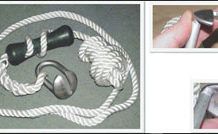
Using an elastic nylon riding stopper (aka snubber) is always recommended when deploying an all-chain rode. Snubbers act as shock absorbers between rode and vessel, while at the same time transferring surge loading caused by wind and waves from the windlass to a deck cleat. No windlass is built to bear the load of a deployed anchor, particularly the bone-jarring snatches of an all-chain rode fetching up short.

First Aid for Lead Lesions
Keel voids of this size are quite common, and its one reason why you don't see bare lead at boat shows or in the dealers lot. Casting imperfections and partial, localized collapse of the sand mold cause these voids and much worse. When voids form around the support for the keel bolts, bad things happen. Narrow, high-aspect keels tolerate this far less, and its one of the reasons carbon or high-modulus steel fins and ballast bulbs now rule in that realm.We forwarded this readers question on to the folks at Alerion, who then passed it on to Mars Metal, a Canadian-based metal manufacturer and one of the most prominent manufacturers of lead keels. Heres what they suggested.
Hull Restorer Test
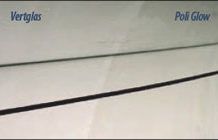
At some point in the life of a cruising sailboat, hull wax or fiberglass polish is no longer an option and restoring gel coat requires more serious commitment. Hull restorers contain water-based emulsions of acrylic or acrylic/urethane resins. The resins are tiny droplets suspended in water. When applied the water evaporates, and the resins flow together to form clear films. The process is similar to what happens with many fiberglass or gel-coat finishes. For this Practical Sailor test, surface preparation was critical. If you miss a streak of dirt or grease, that blemish will become trapped under the hull restorer.
Barnacle Remover Test
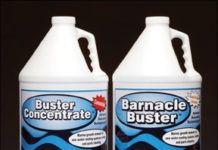
Barnacle removal is ranks among the least favorite boat maintenance chore for a cruising sailor. In our last barnacle remover test, https://www.practical-sailor.com/boat-maintenance/barnacle-removers
two products stood out. The most effective was Star brite Zebra Mussel and Barnacle Remover, but we also had good results from a milder product called Marsolve. This time around, we tried a solution with the promising name of Barnacle Buster and documented the results with time-lapse photography.
Corrosion Protection Coating Test
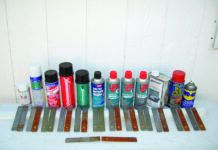
Wouldnt it be nice if you could have a rust-proof boat? In search of our ideal anti-corrosion coating, we chose the products based largely on their advertised claims and also on how easy they were to find. Among the products we tested for corrosion prevention: West Marine CorrosionPro Lube, CRC Heavy Duty Corrosion Inhibitor, Corrosion Block, Boeshield T-9, WD-40, CorrosionX, Corrosion X HD, Shark Hide, LPS 1, LPS 2, LPS 3, and TC-11 all popped up during Internet searches. We left out products that made no specific claims for use in the marine environment.

O’Day 40 – A Budget Cruiser for the Bahamas
The O’Day 40 (1986) is one of those cruising sailboats that somehow slipped through the cracks of sailing history. Built during the final years...


Latest Sailboat Review
Island Packet Estero Used Boat Review
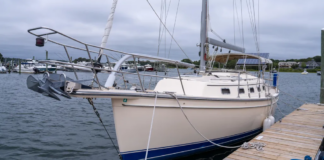
Florida-based Island Packet targets a relatively narrow niche, so the toughest competitors to its new boats are often older Island Packets. Introduced in 2010, the 36-foot, shoal-draft Estero is the company’s latest attempt to introduce a distinctive model that doesn’t stray too far from the company’s proven formula for success: moderate displacement, full-keel cruisers designed to be lived on, sailed far and in comfort, and endure the bumps, scrapes, and storms that cruising boats inevitably encounter. After sailing the Estero on Florida’s Sarasota Bay and inspecting its interior, construction, and systems, Practical Sailor testers noted that the shoal-water cruiser will appeal strongest to Island Packet fans who’ve been waiting for a shoal-draft, easy-to-sail boat that compares to the IP37 in terms of interior space. These strengths will be most apparent on intracoastal or riverine adventures like the Great Loop.