



How to Inspect Your Sailboat’s Chainplates—and Why It Matters
The purpose of chainplates on a sailboat is to transfer the enormous loads from the standing rigging into the hull structure safely. Without chainplates,...

Making the Dinghy Decision
Spring and fall on the Chesapeake Bay deliver cruising at its best. Last fall, we were ready to go, the crowds were gone, along...

Protecting Against Boatyard Fire
The 1666 London Fire. The 1871 Chicago Fire. The 1906 San Francisco Fire. Common factors shared by all of these disasters were inadequate spacing...

The Best Respirators for the Boatyard
Athough falling off a ladder or cutting yourself with a sharp tool are the most common boatyard injuries, damage from the foul air we breathe is more insidious. Marine paints contain solvents that can make you dizzy at best or increase cancer risk at worst. Dust from sanding wood is usually only a nuisance, but sanding bottom paint or grinding fiberglass presents serious health risks. Fortunately, theres a wealth of industrial experience with contaminated air…
Giving Old Winches New Grip
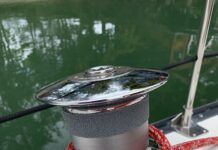
On Natasha, our 1978 Islander Bahama 30, the Barient two speed sheet winches were showing their age—a dull chrome surface and the drum were...
PS Tests Adhesive Removers
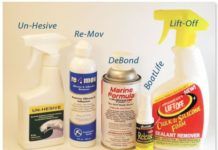
Many years ago, one of our editors had an old wooden boat with lovely wooden handrails just inside the companionway that his sailing partner decided could use new varnish. The original coat, which was peeling around the base and worn where hands had gripped it, was sanded smooth and meticulously coated with varnish. Subsequent coats were applied according to the process that had served well for years-varnish, scuff, wipe, varnish, scuff, wipe . . . repeat.

Marine Sealant Adhesion Tests
We recently launched a new evaluation of marine adhesives and sealants. There is no single caulk that works in all of these cases, so its impossible to declare a single Best Choice adhesive, but we decided to at least put some numbers on paper to guide you in your choices.

Moisture Meters: Can You Trust Them? We Test Five Models
You've made an offer on a used boat and have retained a marine surveyor to examine the vessel prior to completing the transaction. One...

Readers’ Choice: 14 More Marine Suppliers You Should Know About
You can’t maintain a boat without ordering a few marine supplies, so Practical Sailor readers offered (mostly) high praise and appreciation for our guide...
Marelon Through-Hulls: Why They’re Worth Reconsidering
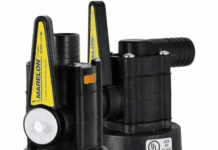
Are Marelon through-hulls a good modern replacement for bronze or a failure waiting to happen? Common refrains are: “Okay above the waterline if you...
Latest Logbook

Practical Sailor Logbook – September 2026
This month we tour the Hans Christian 48T — the offshore cruiser many sailors call the holy grail — walk the custom Antigua 60...

Video: Morgan 44 Review – The Catalina Cruiser Everyone Forgot
The 1989 Morgan 44 is a big center-cockpit cruising sailboat with Catalina DNA—but it may be one of the most overlooked boats of its...



Latest Sailboat Reviews
Bayfield 32 Used Boat Review
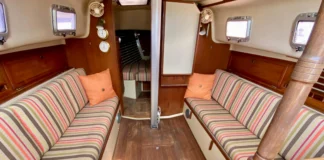
At first glance, the Bayfield 32 looks less like a fiberglass production boat from the 1980s and more like somebody shrank a traditional sailing...