





Finding Good Hose Clamps
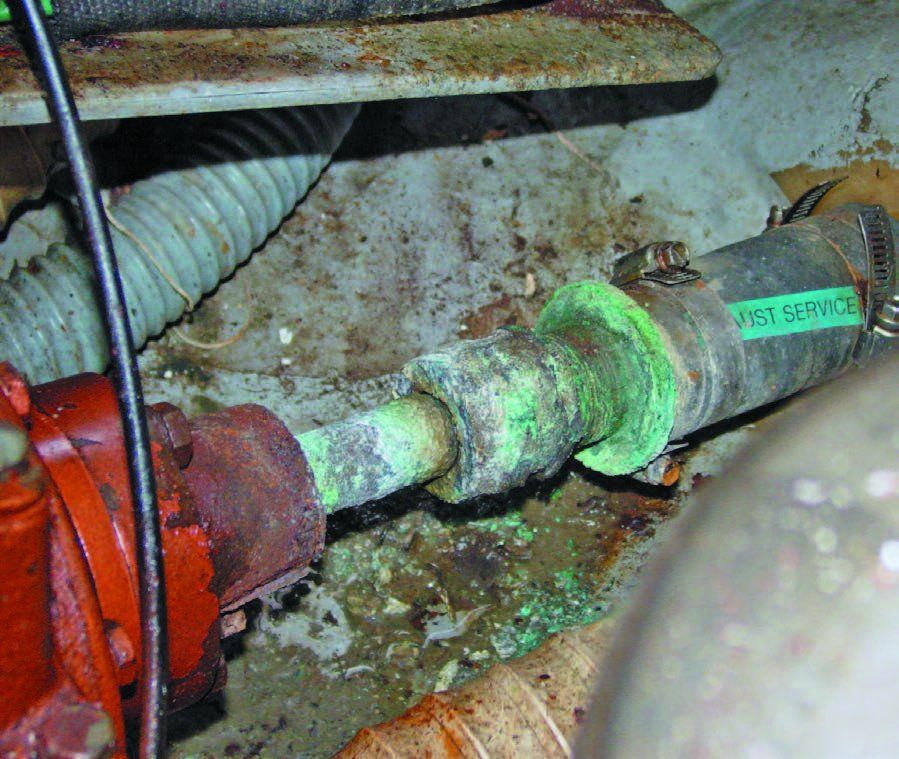
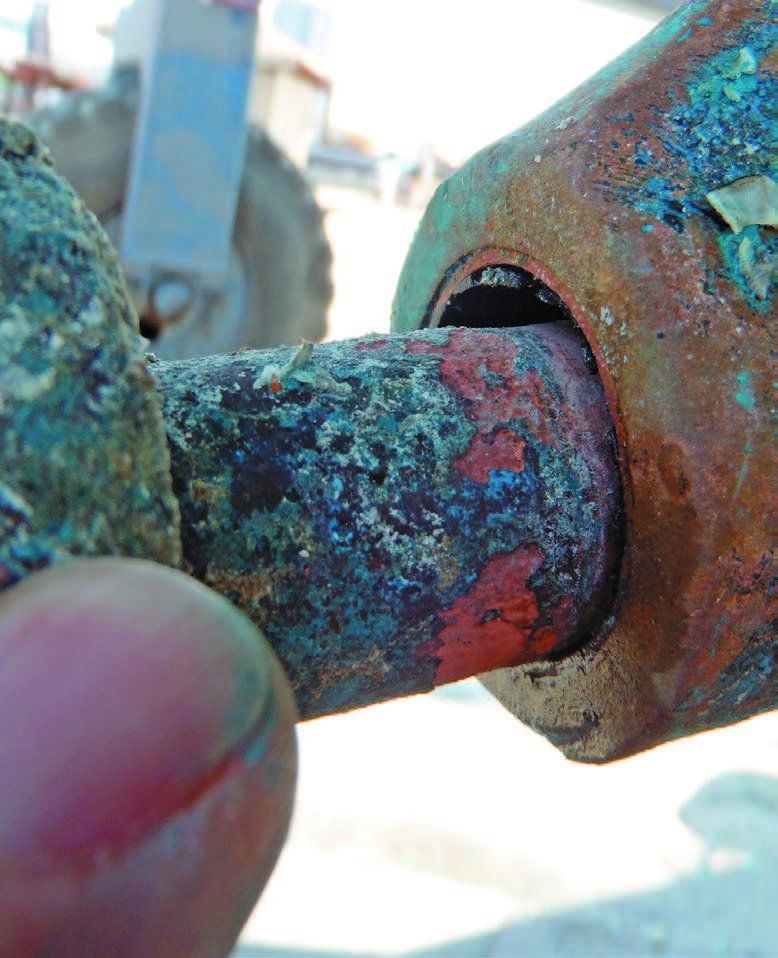
In the December 2011 article, “Maintaining Stainless Steel,” you mention that there are hose-clamp makers that get the stainless-steel combination right, but never shared who those manufacturers might be. I’d love to know who’s your pick!

Mailport: March 2012
Letters to Practical Sailor, March 2012. This month's letters cover subjects such as: Durabak Feedback, Inflatable Bottom Paint, US Sailing Reports, and More!
A Look at Anchor Rodes
We generally recommend high-grade, three-strand nylon for anchor rodes because of its cost effectiveness and elasticity—essential under surging loads. Certainly there are more chafe-resistant lines, but using chafe gear is a more sensible way to prevent rode chafe

Clean Bottom, Fast Bottom
Determining how much faster a boat can sail with one paint versus another would be difficult as the prep and application of both paints would have to be identical, as would test conditions, in order to have a fair trial. None of the antifouling manufacturers we spoke with are aware of any documented head-to-head speed tests of paints.

Mailport: February 2012
Letters to Practical Sailor, February 2012. This month's letters cover subjects such as: Engine-Free, Titanium, Sabre Solace Twin, and More!
Mailport: January 2012
Letters to Practical Sailor, January 2012. This month's letters cover subjects such as: Flare disposal, Chainplate failures, MOB Pole storage and more!

Bottom Paint Stripping
Although we’ve tackled our share of varnish with a heat gun and scraper, we’ve never used them to strip bottom paint. The obvious concerns would be marring the gelcoat and the noxious fumes created by heating paint solvents and active ingredients. Our first choice for removing antifouling would be sodablasting (PS, October 2011), but as that’s not an option for you, we’d consider chemical stripping (PS, April 2008 and March 2009), wet-sanding, or vacuum sanding.

Mailport: December 2011
Letters to Practical Sailor, December 2011. This month's letters cover subjects such as: boatleather, pump plumbing, dinghy wheels, and more!
Disposing of Expired Flares
It’s a good idea to keep expired flares on hand to use as backups (on board or in a vehicle), but be sure to store them in a clearly labeled container separate from your current flares. If you find yourself with an overstock of old—or unwanted—hand flares, however, you must dispose of them properly. Unfortunately there’s no set agency that deals with expired flare disposal or recycling. Because state and federal laws pertaining to flare disposal and transportation vary, there’s no single disposal policy.

Mailport: November 2011
Letters to Practical Sailor, November 2011. This month's letters cover subjects such as: Eastport Pram Fan, Coppercoat, Lightning strikes and More!

How Long Do Sails Last?
How long do sails actually last? Sailmakers often say cruising sails last around 10–15 years, but what happens when you discover a sail that’s...



Latest Sailboat Review

Jeanneau 55 Boat Review
This recent sailboat from Jeanneau may as well be a spaceship. They’ve taken all the time-honored designs of a monohull aft cockpit and turned...