

A Look at B&Gs New Zeus Touch
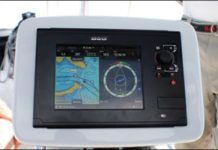
Sailing and tactical software has long been B&Gs strong suit. The Zeus Touch is the first time the Navico companys high-end racing software has been tweaked for mainstream use and bundled along with normal chartplotter and GPS functions. At first blush, it appears to be a dressed-up version of the Simrad NSS. The big difference between the two is the software. It uses the boats set sailing characteristics to calculate tacking or jibing points to most efficiently reach a given destination. Many of these functions are simple measurements that any skipper can predict or calculate using a paper chart and simple arithmetic, but the Zeus Touch delivers this information instantaneously and continuously, and removes the chance of human error.
Weather4D iPad App Review
As a followup to our April 2012 report on useful iPad apps for sailors, we recently sea-trialed the new Weather4D app, comparing it to the older WeatherTrack app. Both enable users to view GRIB weather files, but which one does it the best and which one offers the best value?

Updating Onboard Electronics with N2K
A sailboat is no place for unnecessary complexity, which was the direction PS contributor Dan Corcoran was headed on his Beneteau 393, when it came to how data was passed between various marine electronics. The worst offender was a spaghetti network of point-to-point wiring that utilized the familiar National Marine Electronics Association (NMEA) 0183 standard. A few years ago, he embarked on a gradual replacement of NMEA 0183 wiring and components with the new standard, NMEA 2000. Here he offers his account of the upgrade and answers the oft-asked refit question: Was it worth it?
Test Driving New Nobeltec TZ
Nobeltec, a marine-navigation software developer based in the U.S., recently released a new chartplotting app for the iPad: Nobeltec TZ. We took it for a weeklong test cruise and found it to be a good basic nav program with some significant strengths, and some notable shortcomings.

Wind Sensor Testing
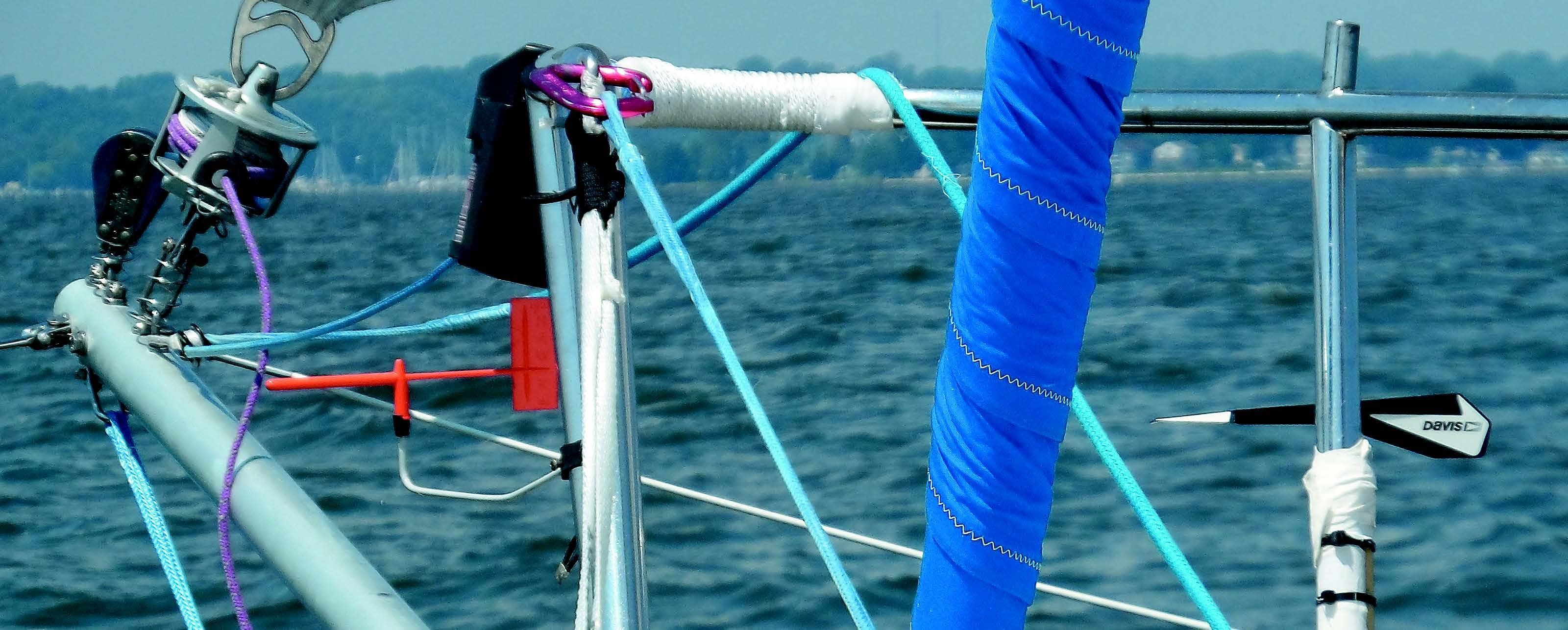
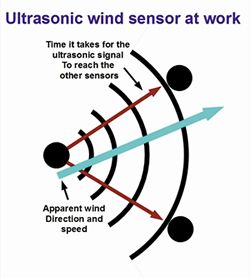
For better or for worse, the modern cruising sailor is becoming more like an airplane pilot. Safely ensconced out of the wind, the helmsman relies on instrumentation to provide him with information about our environment. Should he bear off for more speed, set the screecher, or tuck in a reef? Increasingly, were seeking these answers in digital display rather than strips of yarn in the rigging and the hair on the back of our neck.

Wind Systems Part 2: Data Display and User Interface
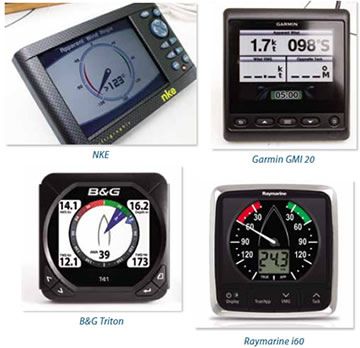
Its dusk on an overcast, gusty day, and raw data is pouring into your wind display from the masthead, GPS, and the knotlog. Can you clearly see the information on the display, and more importantly, is it meaningful? Can your gloved fingers push the buttons? Can you easily change the way wind data is collected, processed, and displayed so that it best reflects the conditions? These are among the things testers examined for this report, Part 2 of our wind-sensor evaluation, which focused on the display and user interface. In Part 1 (PS, March 2014) we focused on accuracy and durability of the anemometer and vane sensors that feed into the displays.
Practical Sailors Gear of the Year 2009
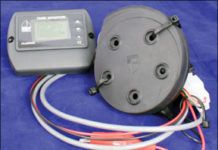
Practical Sailor editors pored over the dozens of products reviewed in the previous months to find the best of the best sailing gear, products that are worthy of the designation Gear of the Year. This years editors choice list includes a rugged rope clutch (Spinlock), a grippy ratchet block (Ronstan), feature-filled VHF handheld radios (Standard Horizon and Cobra), high-quality nesting cookware (Magma), a proven paste wax (Collinite), an ocean-ready first-aid kit (Adventure Medical Kits), a reliable LED bulb for cabin lighting (Imtra), an economical ice box conversion kit (Frigoboat), an innovative ultrasonic tank sensor (BEP Marine), cold-weather gloves (Gill), and an easy-to-install Wi-Fi booster (5mileWiFi).

Practical Sailor Editors Pick the Best Sailing Gear of the Year 2007
Over the last year, weve reviewed everything from thermo-electric coolers to snatch blocks, navigation software, PBO rigging, and even sunscreens. The 2007 Practical Sailor Gear of the Year winners list is no less varied. The general gear winners include the Superwind 350 wind generator, the Fujinon TS 1040 Techno-Stabi and Bushnell Stableview image-stabilized binoculars, the Mercury Big Foot 9.9-horsepower outboard engine, the Force 10 propane galley stove, Digital Antennas 3-dB VHF antenna, Harkens 1609 snatch block, the Kestrel 4000 and Speedtech Skymaster handheld weather instruments, the Norcold 60-quart and Engel 35-quart thermoelectric coolers, and both the Lewmar and Dax Onetouch winch handles. The marine safety gear standouts included the Elliot SOLAS-6 life raft, Mustangs automatic inflatable PFD/harness combo (MD 3184), West Marines Basic harness, the Mustang Integrity float coat, and the Mustang Ocean Commander survival suit. The marine maintenance products that topped our list include Interluxs Micron 66 bottom paint, West Marines CorrosionPro Lube metal protectant, the TC-11 corrosion-inhibiting spray, and the Star brite One-Step Cleaner Wax.
Whirlie Bird Anti-Fowlant
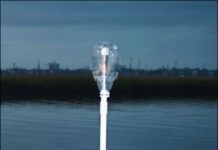
Every boat owner sooner or later becomes familiar with the degrading effects of the marine environment. Whether theyre barnacles along the waterline, metal fittings rusting on deck, or galvanic corrosion beneath the water, ultimately, we all learn to contend with such realities. But one damaging element in the marine environment often overlooked is the destructive power of bird feces. Guano, bird poop, white death-whatever you call it-is a strong corrosive. Bird feces naturally contain some of the most acidic substances: ammonia, uric, phosphoric, oxalic, and carbonic acids, as well as salt. Fecal matter from birds can cause crazing in Lexan hatches, accelerate the degradation of stitching in awnings, and break down the protective properties of wax. And yes, its also unsightly and unhealthy. The good news is that there are numerous devices on the market intended to dissuade birds from roosting on and fouling your decks or spars. This group comprises a broad range of sizes and styles from the ubiquitous plastic owl to the antenna-like, spider-style Daddy Long Legs.
The Hunt is on for a Quality, Well-placed Emergency Tiller
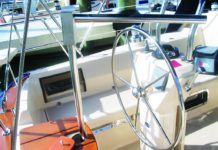
A decade ago, Practical Sailor editors began scouring boat shows for the perfect emergency tiller and an ideal stowage system for it. Little more than a simple lever arm that attaches to the head of the rudder stock, the emergency tiller is the device a sailor relies on in the event a steering cable parts or theres some other steering system failure. Our seemingly simple search turned out to be a nearly fruitless enterprise. Boat after boat fell far short of delivering even an average emergency tiller. Heres a look at our favorites and favorite offenders as well as our criteria for a good emergency tiller and where to keep it.

Morgan 382 – The $30K Boat Nobody Talks About
The Morgan 382 might be one of the most overlooked cruising sailboats ever built. Designed by legendary naval architect Ted Brewer and produced between...


Latest Sailboat Review

Jeanneau 55 Boat Review
This recent sailboat from Jeanneau may as well be a spaceship. They’ve taken all the time-honored designs of a monohull aft cockpit and turned...