



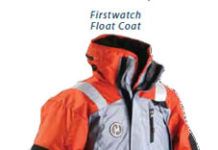
PS Tests Firstwatch Float Coats
If the first rule of boating is to stay onboard, then the second must be to stay afloat in the event that rule number one is broken. There are several types of products that can help you keep from drowning in an MOB situation, but float coats also offer defense against hypothermia, a real danger in waters below about 70 degrees. Foam-filled float coats also double as foul-weather gear, so users are more likely to…
Bags Fit for Life at Sea
Like flares and life jackets, abandon-ship bags are purchased and outfitted with the hope theyll never be needed. Designed to store and protect emergency supplies-and to keep them readily available-ditch bags allow sailors to supplement the often paltry supplies stored in life rafts.
Sailing Shoe Test Update: 2012
Whenever we report on sailing shoes or sandals (PS, Sept 2010, July 2010, June 2007, July 2007, Dec 2007), we get a heap of reader mail with recommendations for grippy, comfortable foot protection fit for sailors. Recently, the top reader-recommended shoes included styles from Crocs and Shoes for Crews. Curious to see whether these would measure up to our sailing-shoe criteria, we rounded up a few models from each maker. We added Adidas Boat CC Laces water shoes to the fray since they are the sportswear giants first foray into marine footwear. In total, we collected 10 different styles and put them through our standard shoe-test methods.
Practical Sailor Editors Holiday Wishlist
The holiday gift-giving season has arrived! And this year, instead of offering a rundown of nautical gift ideas, we asked our editors and writers to sort through the hundreds of products weve tested and find the sailing goodies theyd most like to unwrap this holiday. Editors gift picks ranged from Nigel Calders best-selling boat owners manual and a must-have toolbag to a Magma grill, a VHF radio, galley essentials, and sailing apparel.
The Best Waterproof Protection for Phones and Tablets
Gone are the days when casting off dock lines meant disconnecting from the digital world, but that hasn't changed the fact that electronics and water don't mix. Sailors need to protect their gadgets-iPhones, iPads, Kindles, Droid phones-from the dangers of life at sea, including spray, rain, salt, and accidental freefalls onto the deck. Dozens of products claim such protection, but which ones can you trust? Practical Sailor tested a sampling of waterproof bags and cases marketed for use with cell phones, digital tablets, and e-readers. The test field included products from AquaPac, Aryca, Watershed, LifeProof, and Lifedge.
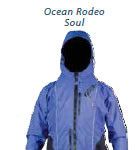
Staying Dry on the Water
Practical Sailor testers put the Soul through its paces last spring during a cool-weather sail, a SUP paddle, and a windsurfing excursion on the chilly Chesapeake Bay. They compared its performance, construction quality, and features to our reigning favorite drysuit, the Gill Breathable Pro, which was rated the highest for its warmth, comfort, and versatility in our March 2009 test of wetsuits and drysuits. Unlike a wetsuit, drysuits keep all water out, and unlike survival suits, drysuits allow more freedom of movement.

Small Boats Open Big Vistas
In 2003, Matt Rutherford made a sight unseen commitment to cruising from his home in Ohio. Over the phone, he bought a Coronado 25 located in Trappe, Md. The boat needed a lot of TLC. He fixed what he could and learned to do without what he couldn’t afford.
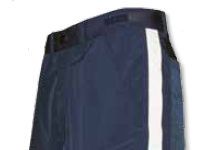
Sailing Shorts Update
Practical Sailor tested and compared the Camet men’s Rio sailing shorts to the field of sailing shorts reported on in the March 2012 issue, including the Best Choice Gill men’s performance padded shorts. Testers looked at style, price, UV protection, construction, abrasion resistance, dry time, comfort, odor, and pads.
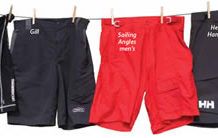
PS Tests Padded Sailing Shorts
No matter whether aboard a racing dinghy or an ocean-romping supermaxi, repeatedly scooching across a nonskid deck or sitting for long periods on the rail will take its toll on your backside and thighs. Padded, quick-dry sailing shorts can significantly reduce the discomfort. Practical Sailor tested eight pairs of sailing shorts from top sailing-apparel makers, including Camet, Gill, Harken, Helly Hansen, Henri Lloyd, Sailing Angles, and Zhik. We looked at fit, price, construction, abrasion resistance, drying time, features, comfort, and padding.
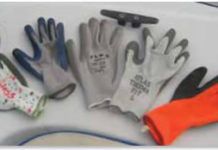
Chandlery: February 2012
Practical Sailor Chandlery: February 2012. This month reviews include: Sailor Gloves, Plumbers Putty, and more!
Latest Logbook

Practical Sailor Logbook – September 2026
In September we tour the Hans Christian 48T — the offshore cruiser many sailors call the holy grail — walk the custom Antigua 60...

Video: The BEST Sailboat You Can Buy for $35,000 – Catalina...
If you’re searching for a mid-30-foot sailboat, affordable cruising sailboat, liveaboard sailboat, first sailboat, or a capable used sailboat for coastal cruising, the Catalina...



Latest Sailboat Reviews

Learning by Doing on a $5,000 Catalina 30 Mk II
When Davis’s mother started talking about wanting to do something “big” for retirement, Davis and Gloria half-jokingly threw out an idea that seemed suitably...