


You love sailing. You love (or like) photography, and you want to share some of the spectacular things you find out on the water with friends or family or social media strangers. What type of camera makes for the best cruising companion?
Before we take a look at the different options on the market and explore which ones best lend themselves to sailing photography, let’s have a brief chat about weatherproofing.
Weatherproofing
If you are bringing a camera on board a sailboat, you want it to be able to handle the conditions brought on by the ocean.
When shopping for cameras, you might come across the term “weatherproof.” Basically, this means the camera is usually designed to handle a bit of moisture (water drops from rain or spray), dusty environments, and operate in a wide temperature range.
Devoid of actual specs like an ingress protection (IP) rating (moisture droplets and solid particle resistance) or a specified operating temperature range, “weatherproof” can be a bit of marketing fluff. In the olden days, manual film cameras were never advertised as weatherproof, but we all knew they could stand a lot of abuse.
Modern electronic/digital cameras can easily shrug off some freshwater spray, but I would never intentionally expose any non-waterproof camera to saltwater spray or immersion.
Waterproof “Tough” or “Rugged” Cameras
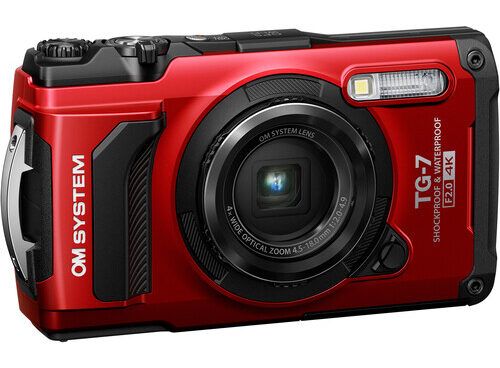
The most sailing-friendly subset of the point-and-shoot compact camera (see below), the waterproof “tough” or “rugged” camera moniker is bestowed upon a select group of compact cameras that are designed to operate in extreme conditions—like those encountered on sailboats. These cameras can be thrown, literally, into salt water.
The OM System Tough TG-7 gets the “Tough” name in its official title and is waterproof to 50-ft. depths (take it snorkeling or when you are scrubbing your bottom paint), shock proof for drops up to 7 ft. (good-to-go when not secured on a cockpit seat during a tack or gybe), and crushproof up to 220 lbf (totally fine if you step on it after it falls to the cockpit sole after said tack or gybe).
The TG-7’s zoom lens gives you a versatile field of view range from mildly wide angle to fair telephoto. Additionally, the TG-7 has an incredible macro (close-up) photo mode, an underwater mode, and is a capable video camera.
If you want a camera that can do a lot, is compact and easy to take with you, and can take a punishment while underway (or ashore!) look no further than the TG-7.
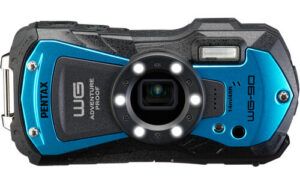
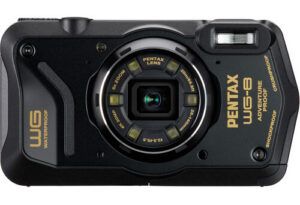
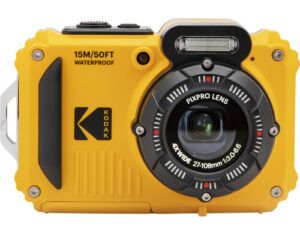
In the same stable as the TG-7 are rugged point-and-shoot cameras from other manufacturers such as the Ricoh PENTAX WG-8 and WG-90, and Kodak PIXPRO WPZ2. Also, if you want to save some money, older versions of those cameras have similar capabilities to their new versions and can be found on the used market for less.
Pros:
- Built to handle the sailing environment—water, shock, dust, crushproof.
- Underwater photography ready.
- Compact and lightweight—easy to carry, store, or take with you ashore.
Cons:
- Image quality is very good, but not as good when compared to larger, interchangeable lens cameras.
- If you believe more megapixels makes better photos (it doesn’t), these won’t fit the bill.
Mirrorless Interchangeable Lens Cameras
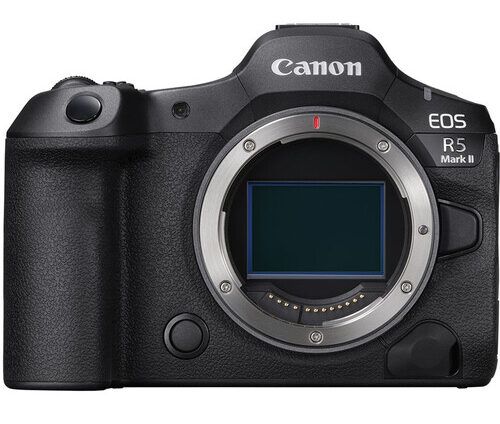
“Mirrorless” interchangeable lens cameras have supplanted the DSLR (digital single-lens reflex) cameras as the go-to image makers for professional and novice photographers alike. They are called “mirrorless” as they operate without the reflex mirror that SLR cameras use to reflect the lens’ image up through a pentaprism and through the viewfinder. Mirrorless cameras show you what the lens sees on a digital screen—not through an optical viewfinder.
Canon, Sony, Nikon, and others pack these modern digital cameras with extraordinary imaging and video capabilities and pair those capabilities with an extensive lineup of lenses that range from ultra-wide-angle fisheye optics to telephoto lenses better suited to taking pictures of distant objects in outer space than beautiful sunsets on the ocean.
If you want the ultimate in image quality, a mirrorless camera mounted with a premium lens will often be the right tool for the job.
Pros:
- Unsurpassed image quality when you use a modern digital camera and premium lens.
- Change lenses to give you expansive field of view options from extreme wide-angle lenses that capture an entire scene to extreme telephoto lenses that show you what you might see through a soda straw.
Cons:
- Mirrorless cameras can cost thousands of dollars. Lenses can cost the same or even more.
- Many mirrorless cameras come with standard weatherproofing, but they are not waterproof. Keep them dry!
- Mirrorless cameras are usually larger and heavier than compact point-and-shoot cameras.
- If you want maximum focal length versatility, you will likely want more than one lens to photograph at different fields of view. This adds cost to your system and takes up more space on board or in your bag.
- Changing lenses in the elements subjects the sensitive innards of your camera to whatever is in the air—usually not a good thing on a boat while underway.
DSLR Camera
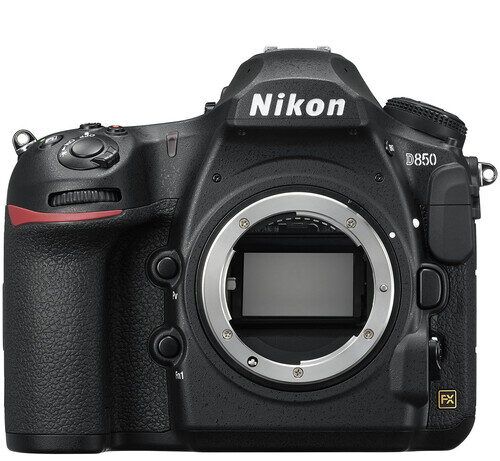
Once the ruler of the photographic kingdom, the DSLR has been supplanted at the top by the mirrorless camera, but there are still viable pro and consumer-level DSLR cameras on the market.
Everything mentioned above in the mirrorless camera section applies to the DSLR as the cameras, and their capabilities, are almost identical—the difference being the DSLR retains its mechanical reflex mirror and optical viewfinder.
You could argue that, when changing lenses, the reflex mirror gives the sensor some protection from the elements, but you never want to get water anywhere near the inside of a camera regardless of what type it is.
Pros and Cons
- Same as Mirrorless (see above).
Compact Cameras / Point-and-Shoot Cameras
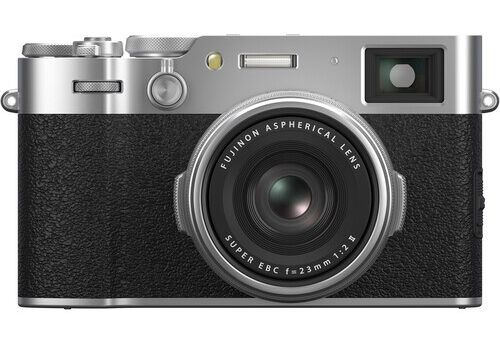
Now more popularly referred to as “Compact Cameras,” point-and-shoot cameras live in a very strange photography market segment. Never have compact cameras been so capable and technologically advanced, yet their market has been crippled by the smartphone camera.
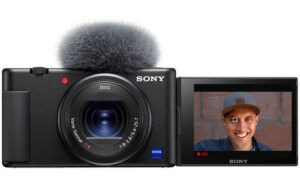
For “those in the know,” picking up a compact camera like the FUJFILM X100, Ricoh GR, Canon PowerShot V1, Sony RX100 and ZV-1, and others, gives you a pocket-sized travel companion capable of capturing images that are as good as those from much larger and more expensive cameras.

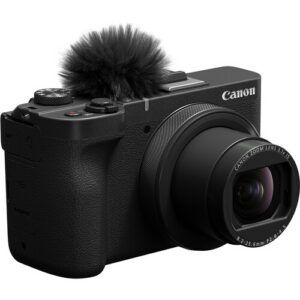
For the sailing photographer, if you are thinking of a compact camera, I would recommend skipping the ones I just mentioned in favor of a tough/rugged camera that I covered first in this article.
If you are looking for a small camera to take ashore and maybe not have banging around the cockpit while underway, by all means, look into one of these beauties.
Pros:
- Great image quality.
- Small and compact. Easy to pocket or throw into a small bag for a trip ashore.
Cons:
- Some may be weather sealed, but they are no match for the ruggedness of a tough/rugged camera.
Bridge Cameras
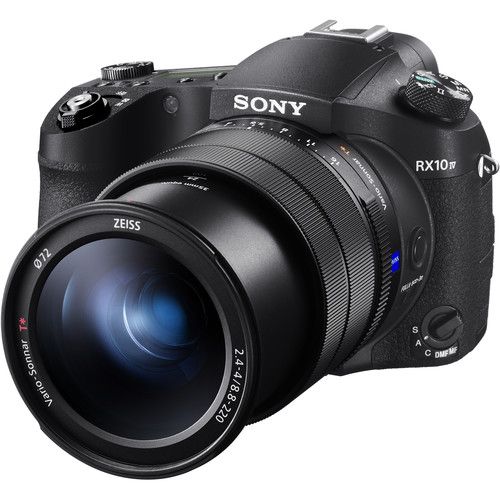
An intriguing camera type for the mariner, the “Bridge Camera” is an oversized point-and-shoot camera that is closer in size to a mirrorless or DSLR but usually outfitted with a large lens that gives an incredibly expansive zoom range from mild wide-angle to extreme telephoto. When I say “extreme” telephoto, I mean focal lengths up to 3000mm—well beyond what you would get with a backyard telescope.
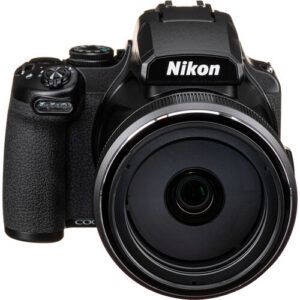
Cameras like the Nikon COOLPIX P1100 (3000mm), COOLPIX P950 (2000mm), and Panasonic LUMIX FZ80D (1200mm) are not known for their exceptional image quality but they make up for that by being an absolute blast to use with their telephoto reach.
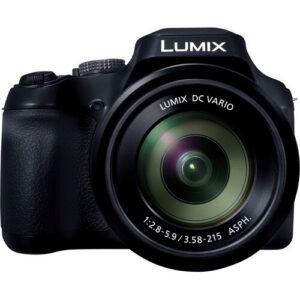
The now-discontinued Sony RX10 did not have the telephoto reach of the above-mentioned cameras (maxing out at 600mm), but it brought a physically larger digital sensor with more resolution and very good image quality to the bridge camera market. A new version of the camera was just released.
Pros:
- Incredible telephoto reach for taking photos that are impossible to get with mere mortal cameras—you’ll be filling the frame with photos of the Windex atop your mast or grabbing sail numbers on a jib way out on the horizon!
- Very fun to use due to their insane focal length range.
Cons:
- Not as rugged as other types of cameras.
- Image quality is good, but not great.
Action Cameras
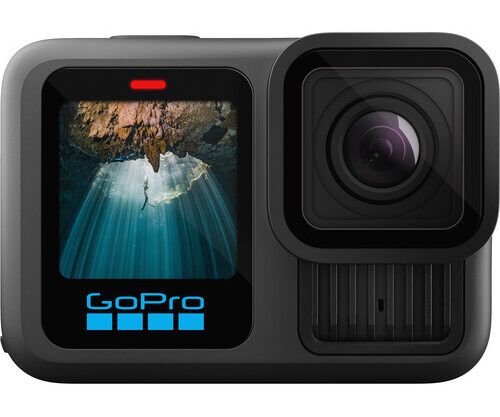
GoPro has been the standard bearer for the genre of “Action Cameras” for many years now and the HERO13 is the latest in the long line of Hero cameras. DJI has been competing in the market segment with its Osmo Action 6.
These action cameras are built for extreme conditions and, like the tough cameras, can take a beating and exposure to the elements.

I would be hard pressed to recommend action cameras for still photography as they are 99 percent designed for video capture. If you want to mount an action camera on a stern or bow railing to create a time-lapse of a passage or film action sequences, these are definitely well suited for the job. Know that you can achieve similar results with the tough/rugged cameras mentioned above and, with those devices, have a more versatile photographic tool for other jobs.
Pros:
- Built for extreme conditions.
- Very good at video capture.
Cons:
- Not designed for stills capture but can still do the job.
- Limited versatility with a fixed focal length lens.
Film
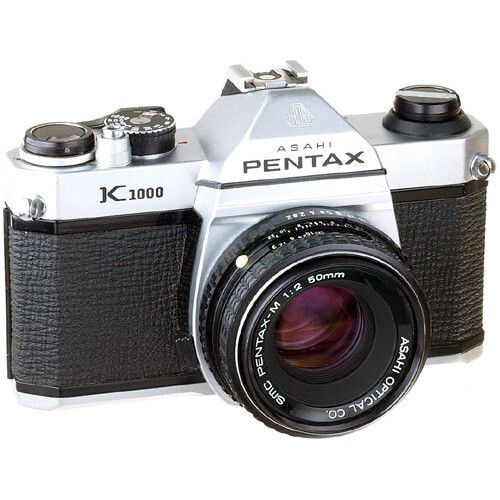
For the sailor, analogue photography can make a unique photographic proposition. Yes, film still exists and film cameras are still on the market.
Some film cameras operate without batteries and can be pretty adept at handling adverse conditions. Also, depending on your situation, you might not be uploading digital images to a computer while underway, so getting home to develop a roll of film isn’t too different than getting home and putting images on your laptop.
The look of film and the feel of a physical print in your hand still have a certain charm.
Regardless of if you are employing an SLR, point-and-shoot, or disposable (maybe a waterproof disposable?) camera, capturing your sailing memories on cellulose is pretty cool.
Pros:
- Some cameras are fully mechanical—no electronics, or batteries to worry about.
- Old-school film cameras can take a beating and keep on shooting.
Cons:
- You need to develop the film at some point—no instant gratification of seeing your photo.
- Running out of film is an issue if you shoot film.
- Unless you have your negatives or prints scanned, or scan them yourself, you cannot share the images with anyone who is not standing right next to you—except if you put them in the mail.
Smartphone
The old saying states, “The best camera is the one that you have with you.” These days, almost all of us have a camera with us all day (and night) on our smartphones.
Today’s smartphones take exceptional images due to advances in computational photography. Smartphones are even pretty weatherproof and can handle some water spray. Drop your phone into a waterproof pouch and you have a very capable photographic companion for your voyages.
Pros:
- This camera is probably in your pocket right now and might always be with you—even when underway.
- Easy to use for photos and videos.
- Easy to instantly share images if you have connectivity.
- Fairly robust when exposed to the elements.
- Add a waterproof pouch to make the camera even better for sailing.
Cons:
- Limited field of view options due to a fixed focal-length lens/lenses.
- Smartphones are not ergonomic for picture taking, but that is a first-world issue for those who have held a real camera before.
Ask Me
Do you have questions about the suitability of a particular camera to your sailing adventures? Feel free to ask me below in the comments section!
1. Waterproof “Rugged” Cameras
OM SYSTEM Tough TG-7 Digital Camera ($560)
2. Waterproof “Rugged” Cameras
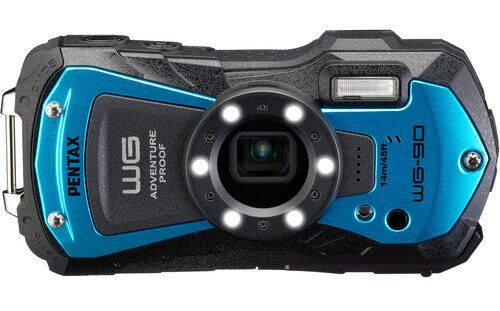
Ricoh Pentax WG-90 Digital Camera ($377)
3. Waterproof “Rugged” Cameras
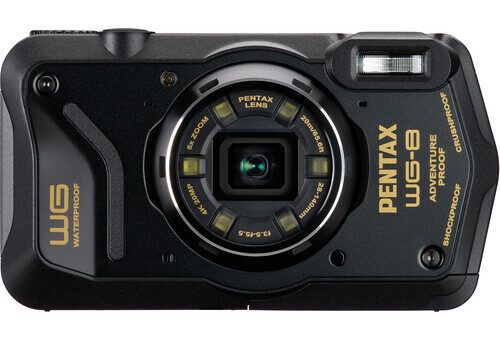
Ricoh PENTAX WG-8 Digital Camera ($427)
4. Waterproof “Rugged” Cameras
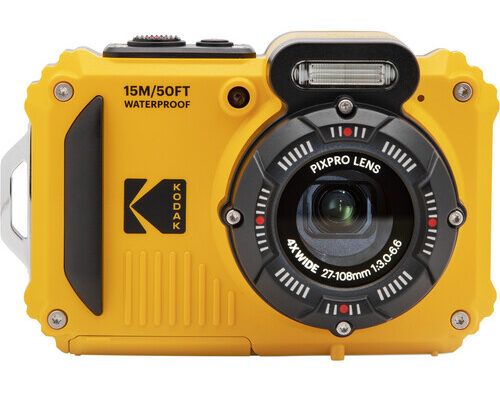
Kodak PIXPRO WPZ2 Digital Camera ($189)
5. Mirrorless Interchangeable Lens Cameras
Canon EOS R5 Mark II Mirrorless Camera ($4,000)
6. DSLR Cameras
Nikon D850 DSLR Camera ($2,397)
7. Compact Cameras
FUJIFILM X100VI Digital Camera ($1,800)
8. Compact Cameras
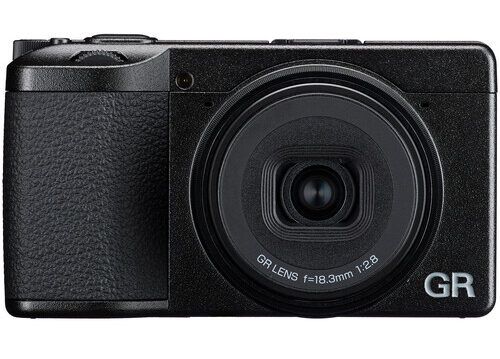
Ricoh GR IV Digital Camera ($1,597)
9. Compact Cameras
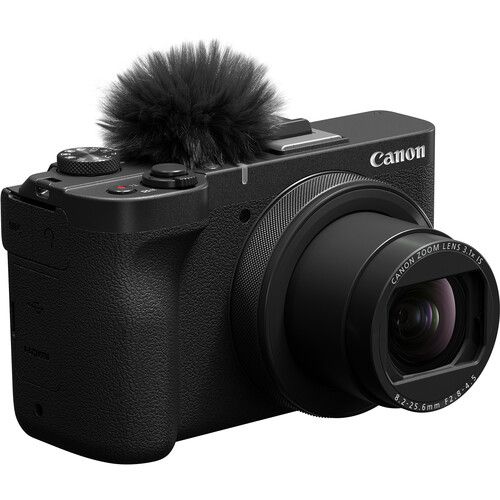
Canon PowerShot V1 Digital Camera ($900)
10. Compact Cameras

Sony RX100 VII Digital Camera ($1,499)
11. Compact Cameras
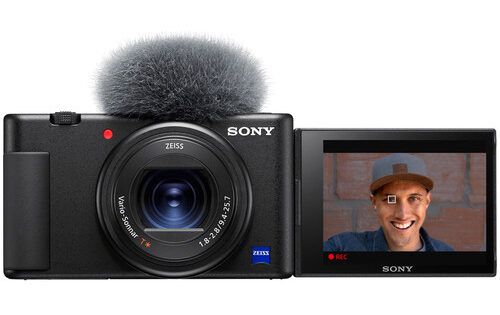
Sony ZV-1 Digital Camera ($614)
12. Bridge Cameras
Sony RX10 IV Digital Camera ($2,300)
13. Bridge Cameras
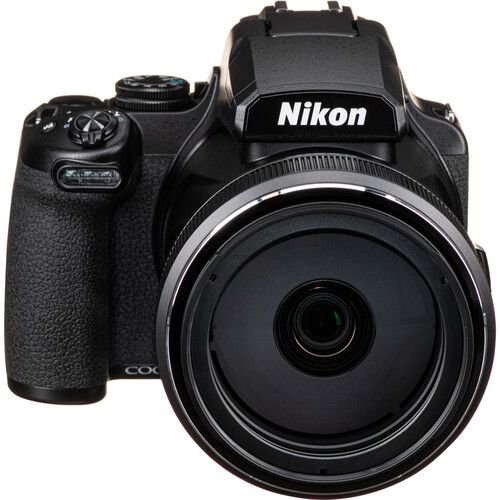
Nikon COOLPIX P1100 Digital Camera ($1,047)
14. Bridge Cameras
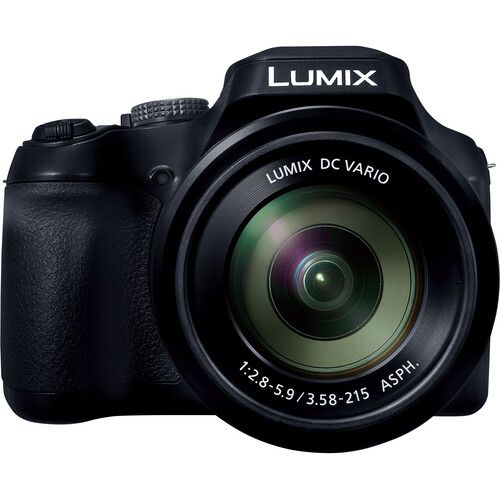
Panasonic LUMIX FZ80D Digital Camera ($448)
15. Action Cameras
GoPro HERO13 Black ($429)
16. Action Cameras
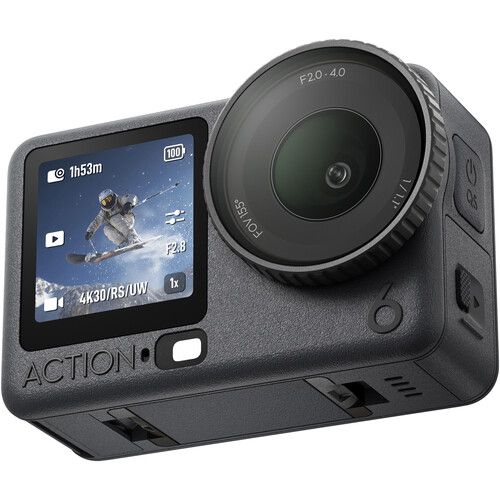
DJI Osmo Action 6 Standard Combo ($436)
17. Film Cameras
Pentax K1000 35mm SLR Camera with 50mm f/2 SMC Lens ($349)








I’ve been using a TG-6 for many years as my go-to boating camera. Waterproof and sharp, with a wide light range (for indoor and shaded shots). And tough. Like everyone, I also use a smartphone, but it’s not close; the TG-6 (or TG-7) is a much better camera.
Prior, I used non-rugged cameras. In the long run, the marine environment always got to them within a few years.
The lightweight means it is easy to mount and won’t shake when pounding through waves. See “How to Mount Your Camera on Deck: Record Your Adventures with DIY Innovations,” January 2024 for ideas.
Thanks for sharing your experience with the TG-6, Drew! The TG’s are really great, fun to use, and perfect for boating!
Good article, thanks. How about drones? I have a DJI mini4 Pro but have yet to use it while under sail. I have some terrific footage on anchor but not confident enough to land it while moving. Any tips?
Hi Robert,
Sorry for the delay in getting back to you. Drone photography is a great way to get aerials of your boat without having to hire a helicopter and helicopter pilot!
Folks have definitely used them while underway.
My suggestion would be to, at mortal risk to your drone, put on your Test Pilot hat/helmet and do some test flights while underway under power on a calm day on smooth seas.
If you land successfully, try next while under sail on a light air day.
Drones can be tricky around rigging, so do this at your own risk! I watched an experienced drone pilot crash a drone into my bow pulpit one day at anchor…luckily (VERY luckily) it didn’t then fall into the drink, but the props were damaged!
Let us know how it works out!
Best,
Todd