


How to Sell Your Boat
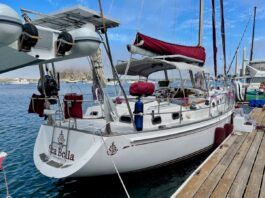
For many sailors, selling their boats is an emotional experience. The big decision is setting the price. Setting your price, or the acceptable net...

Cal 2-46: A Venerable Lapworth Design Brought Up to Date
What kind of blue-water cruising sailboat should you consider when your thoughts turn offshore? We posed that question to Practical Sailor readers, and Puget...
Rhumb Lines: Show Highlights from Annapolis
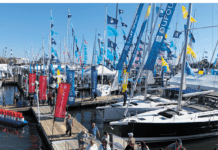
I’ve always enjoyed how the annual Annapolis Sailboat Show offers a glimpse of the future—or at least how gear and boat makers envision the...
Open Transom Pros and Cons
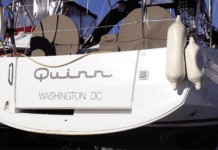
The low, open transom of our test boat, a Corsair F-24 trimaran, results in chronically wet sneakers when sailing in rough conditions. At normal...
Mailport: Charley Morgan, Locker Safety, Fast Bottom Paint
SALUTE TO CHARLEY MORGAN
Regarding your memorial to Charley Morgan and his enduring boat designs (see “Eight Bells for Charley Morgan,” PS February 2023), your praise for...
Rebuilding a Cape Dory 36 Part V
This is Part V, the final installment of a five-part series on rebuilding and modifying our Cape Dory 36 from a bare hull into...
Big Cat Concerns
David Shih has quite a story to tell. The boat of his dreams brought on a nightmare of repair work—and YouTube fame. Shih isn’t...
Mailport: Propane Hose Chafe, Multihull Prices, Farrier F33XC
WATCH PROPANE HOSE CHAFE
Another boat owner told our owners’ group that he discovered his LPG hose at the stove went almost to the point...

Rebuilding a Cape Dory 36 Part IV
This is the fourth article in a five-part series describing the rebuild of our 1982 Cape Dory 36 and how we turned it into...
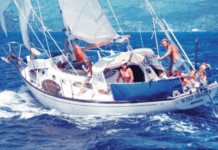
Do You Really Need a Bigger Boat?
Questions arise at cruising seminars and it’s always encouraging when attendees provide the answers. In one such case, a young couple asked how much...
Latest Logbook

Practical Sailor Logbook – September 2026
This month we tour the Hans Christian 48T — the offshore cruiser many sailors call the holy grail — walk the custom Antigua 60...
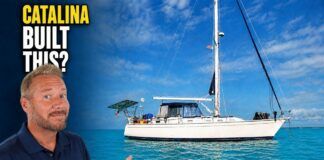
Video: Morgan 44 Review – The Catalina Cruiser Everyone Forgot
The 1989 Morgan 44 is a big center-cockpit cruising sailboat with Catalina DNA—but it may be one of the most overlooked boats of its...


Latest Sailboat Reviews
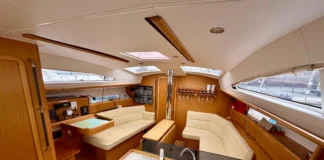
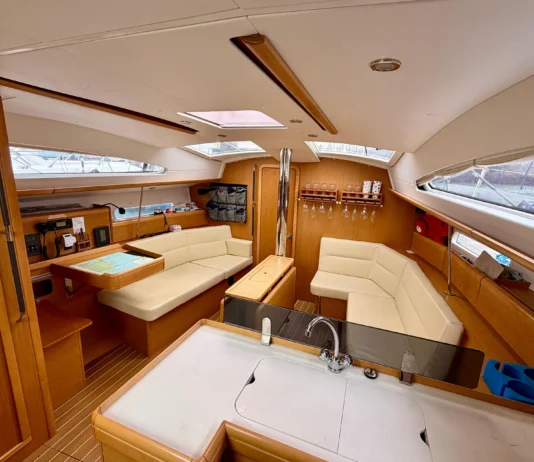
Jeanneau Sun Odyssey 42 DS Used Boat Review
This boat is dangerous for one simple reason—it looks like the answer. It’s big enough, pretty enough, modern enough, and suddenly, somehow, almost affordable...