
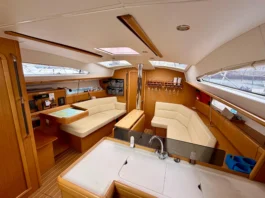
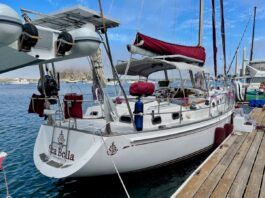
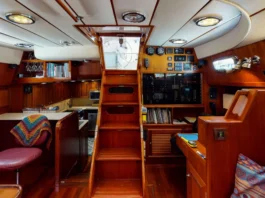
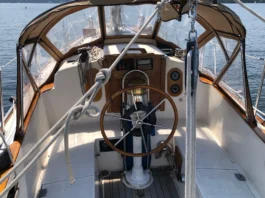

Cheoy Lee Clipper 36/42
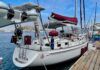
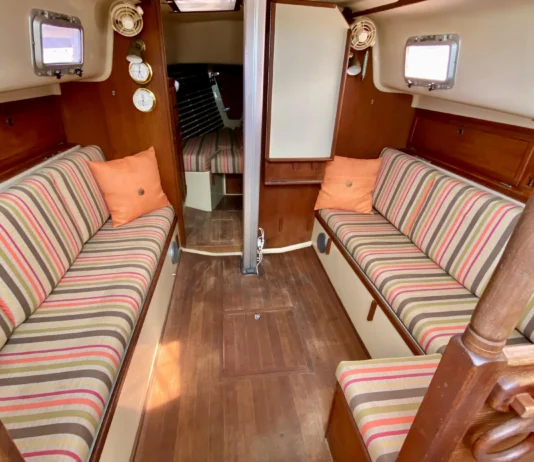
Cheoy Lee Shipyards of Hong Kong is one of the first molders of fiberglass boats in Asia. The Cheoy Lee Clipper 36 was built from 1969 to about 1988, if the BUC Research Used Boat Price Guide is to be believed. The Clipper 42 was introduced a year later, in 1970. Eventually both were replaced by the more contemporary designs of David Pedrick. We doubt that very many Clipper series boats were brought into the U.S. during the mid or later 1980s.
Contest 35S
Conyplex, builder of the Contest 35S, is an established company that was a pioneer in fiberglass boat construction. In 1958, it began work on fiberglass Flying Dutchmans, and two years later introduced the Contest 25, its first cruiser. More than 5,000 boats have been built since, with about 600 of these being exported to the U.S. through Van Breems Holland Yachts of Westport, Connecticut.
Corsair F-31
The F-31 presents an aesthetically pleasing design with its fine entry; low, 27-inch freeboard; and fine lines. A flat aft section prevents the stern from burying when the bow rises in heavier breezes. Even when sailed on a broad reach with the windward ama out of the water, Farrier believes that his multis are more comfortable than a monohull sailed at a comparable angle of heel. Owners agree that being able to launch from a beach, or sail into a shallow anchorage, adds to the boat's overall utility and their enjoyment of the sport.
Crealock 37
This is a conservative boat, devoid of construction razzmatazz. The hull is an uncored, solid laminate. For those living in colder climates and wanting more insulation, the boat can be built with either foam or balsa core, but these are added to the normal hull layup, resulting in a somewhat heavier boat with slightly reduced interior volume.
CSY 37
The CSY 37, designed by Peter Schmitt, is the mid-sized boat In the CSY line. Primarily designed for the Caribbean bareboat charter trade, 87 of the raised-deck cutters were built. Schmitt has combined some features most often found in "traditional" boats the oval stem, raised deck, and semi-clipper bow with a relatively modern underbody featuring a fairly long fin keel and a skeg-mounted rudder. On paper, the boat looks pretty good. In person, she is rather tubby and high-sided.
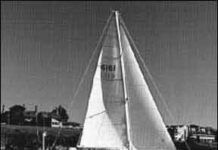
Deerfoot 61
There is no doubt about the Deerfoot 61's purpose in life. This boat is made for long-distance cruising. "We'd sailed thousands of miles on a 50' foot CCA-designed ketch and like most liveaboards we dreamed of the perfect yacht," says Steve Dashew, author of the Offshore Cruising Encyclopedia. "We never realized this dream would end in a boatbuilding business."
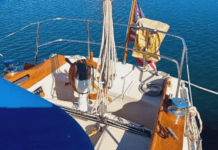
Ericson 35
Ericson Yachts has gotten a lot of mileage out of 35-footers over the years. In 1965, the first Ericson 35 was a typical CCA cruising boat; in 1969, the Ericson 35-2 was introduced--an up-to-date racer/cruiser, with swept-back moderate fin keel, pronounced bustle, and semi-balanced shallow spade rudder. In 1982 it was replaced by the 35-3, a larger, more modern boat.
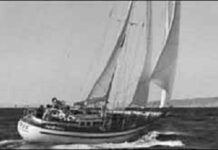
FD-12
In the mid-1970 Dutchman Willem Eickholt, part owner at the time of Flying Dutchman Yachts, decided to build his dreamboat. A lifelong sailor, he knew he wanted an aft-cockpit, flush-decked cutter of moderate displacement and minimum wetted surface with a fin keel, skeg rudder, canoe stern, and clipper bow. "I also wanted her to be fast. Long passages bore me," says Eickholt. "Last but not least, I wanted her to be pretty in a timeless way."
Freedom 33
In 1972 Garry Hoyt set about developing the original Freedom 40. Discarding conventions one by one, he came up with a long-waterline, quasi-traditional hull form and a wishbone cat-ketch rig. In the intervening years Hoyt refined his rig and developed a whole line of boats: a 21, 25, 28, 39 (express and pilothouse models), and the 44. The Freedom 33 is no longer in production, having been replaced in the line by the 32, which is a single masted "cat sloop" with a self tacking jib and gun mount spinnaker. More rig innovation.
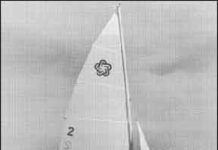
Freedom 36
Freedom Yachts were the invention of Garry Hoyt back in the early 1970s. An advertising executive and champion one-design sailor, Hoyt reached a stage in his life when he wanted a cruising boat, but he found the existing fleet ordinary and unsatisfactory. So the story goes he set about designing himself a boat. The result was the Freedom 40, an unusual-looking cruiser with a long waterline, conventional hull, and a peculiar wishbone cat-ketch rig.
Latest Logbook

Practical Sailor Logbook – September 2026
This month we tour the Hans Christian 48T — the offshore cruiser many sailors call the holy grail — walk the custom Antigua 60...
Video: Morgan 44 Review – The Catalina Cruiser Everyone Forgot
The 1989 Morgan 44 is a big center-cockpit cruising sailboat with Catalina DNA—but it may be one of the most overlooked boats of its...


Latest Sailboat Reviews
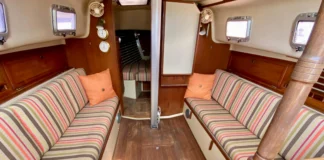
Bayfield 32 Used Boat Review
At first glance, the Bayfield 32 looks less like a fiberglass production boat from the 1980s and more like somebody shrank a traditional sailing...