


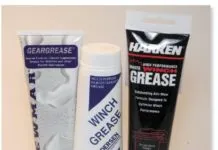
Winch Grease Corrosion Tests
When it comes to most mechanical things-like wheel bearings on a car-its miles that wears em out, as my grandfather used to say. And while there are many reasons why 200,000 miles on a modern car is less remarkable than 75,000 miles was in his day, improvements in lubrication rank high on the list. Lubes of old would oxidize to sludge, stop circulating, wash out, fail to suspend dirt, and drop in pH from acid buildup-or all of these.
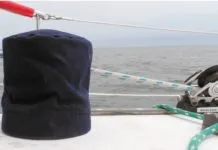
Winch Servicing Basics
While using the right winch grease is important, servicing the winch before the grease turns to gum, washes out, or the pawls start to hang up is more important. Makers recommend annual servicing, but racers and full-time cruisers may go one to three years, and weekend sailors might stretch it a bit further. Three years really would be the max, unless you can live with increased wear. If you go any longer, you risk increased wear and even damage. If the pawls hang up and the drum releases, parts can break, and people can get hurt as the handle whips around.

The Price of Radio Silence
I hope there are some parents or grandparents out there with some sage advice for a man in my predicament. I didnt realize how bad my problem was until recently, when I found myself using the threat of End Times to coax my teenage boys into going sailing. I had my heart set on an evening cruise aboard Lost Boys, a 42-foot Endeavour that the owner, a friend, generously leaves at our disposal.
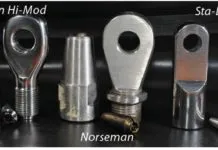
Rigging and Deck Gear
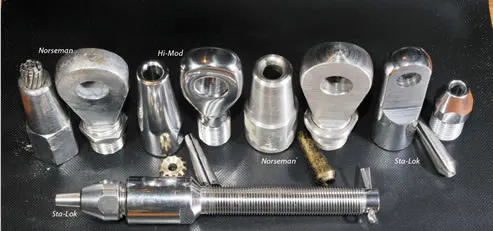
Testers reviewed a slew of rigging and deck gear products during the last year-ranging from furling blocks to lifeline chafe protection and rigging terminals. Here are our top picks and this years Editors Choice rigging and deck hardware.
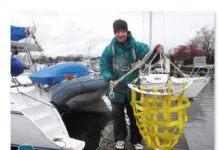
How Much Drag is in a Drogue?
Weve long been interested in drogues, devices specifically designed to be towed behind a boat to reduce speed and to produce directional stability in heavy weather. Our last major drogue test was in 2009, when noted marine writers and circumnavigators Evans Starzinger and Beth Leonard shared their storm tactics (see Heavy Weather Sailing Tactics". Another relevant article, Sea Anchors and Drogues, compared a variety of drag devices. If you are interested in purchasing a drogue, we recommend reading the archive articles along with this report.
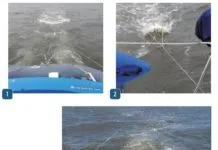
Field Testing Drag, Behavior
We did not test every drogue that appears in the accompanying table, PS Value Guide: Drogues. However, we collected a huge amount of test data and observations from model testing and from multiple sources, including Victor Shanes Drag Device Database (www.dragdevicedb.com), and incorporated these into our test findings.
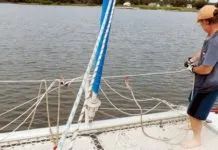
Doubling Up: Full-size Tandem Anchoring
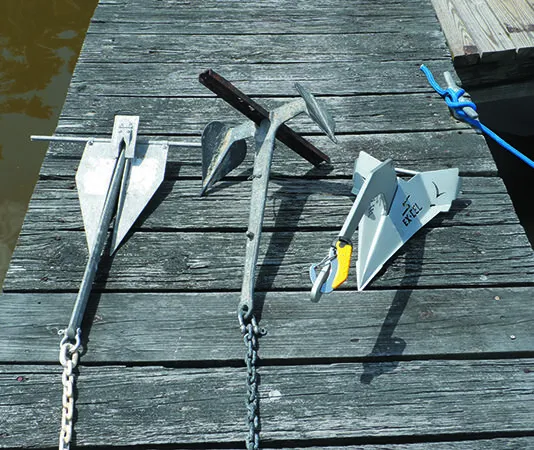
When youve tested anchors as long as Practical Sailor has, you feel pressed to explore unconventional arrangements that others advocate-particularly if the advocates include experienced sailors and a major anchor manufacturer. Such is the case with the tandem anchor setup, in which two anchors are connected to a single rode leading to the boat. The anchoring system is widely discussed on online sites catering to cruisers and is endorsed by at least one manufacturer, Rocna, which has encouraged tandem anchoring with the placement of a special hole at the base of the Rocna shank for shackling on a second rode and anchor.
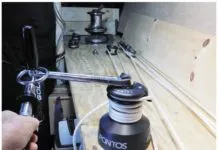
The Ubiquitous Winch
In this first installment of a two-part look at winches, we present an overview of market trends, an in-depth look at two product innovations, and a retrospective look at how some of the older technology has been holding up.
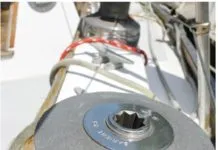
Old Winches Worth their Salt
Part of our ongoing, long-term testing includes keeping track of a still-in-use set of 40-something-year-old Barlow 28s, a 30-year-old pair of Barient 25s, and a 25-year-old pair of stainless-steel Lewmar 30s. In a recent field check of these old treasures, line tension testing indicated that the old hardware was in good working order and seemed to have weathered the ravages of time and the elements.
Tandem Anchoring
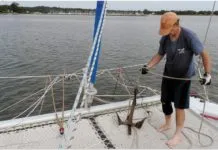
Recent tests on a miserable holding bottom in the Chesapeake Bay (see PS, February 2015 online) showed that conventionally sized anchors just don't hold in a soupy bottom. Those that can-pivoting fluke anchors-arent always the easiest to set, and security during wind shifts is much debated. Setting a second anchor is an option-one weve studied previously (see Tropical Storm Dos and Donts, PS November 2011 online)-but tandem rigs intrigued us. Could two anchors on a single rode provide more secure holding in tricky bottoms, and if so, what is the ideal arrangement? We were particularly interested in single-line tandem rigs (which Rocna designer Peter Smith referred to in his report) and V-tandem rigs (which several PS contributors have had success with).

Lithium Batteries on Sailboats: The 3 Mistakes Everyone Makes
Lithium batteries are one of the most popular sailboat upgrades today—but they’re also one of the most misunderstood. In this Practical Sailor Saturday episode,...



Latest Sailboat Review
Island Packet Estero Used Boat Review
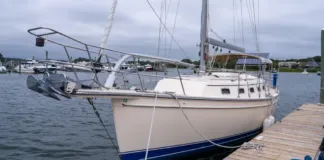
Florida-based Island Packet targets a relatively narrow niche, so the toughest competitors to its new boats are often older Island Packets. Introduced in 2010, the 36-foot, shoal-draft Estero is the company’s latest attempt to introduce a distinctive model that doesn’t stray too far from the company’s proven formula for success: moderate displacement, full-keel cruisers designed to be lived on, sailed far and in comfort, and endure the bumps, scrapes, and storms that cruising boats inevitably encounter. After sailing the Estero on Florida’s Sarasota Bay and inspecting its interior, construction, and systems, Practical Sailor testers noted that the shoal-water cruiser will appeal strongest to Island Packet fans who’ve been waiting for a shoal-draft, easy-to-sail boat that compares to the IP37 in terms of interior space. These strengths will be most apparent on intracoastal or riverine adventures like the Great Loop.