



Settling the Keel-shape Debate
With the Intracoastal Waterway shoaling getting worse each year, its no wonder that were seeing a flurry of shallow-water cruisers. Recent debuts include Rod Johnstones J/95 (PS, August 2010) and Rodger Martins Presto (PS June 2011), both centerboarders. This month, we look at another shoal-draft cruiser, the Island Packet Estero, a 36-footer with a full keel.
Anchor Testing and Rode Loads
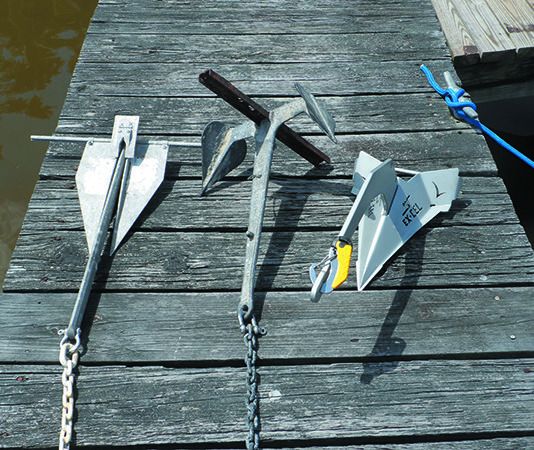
Many published anchor tests focus on holding capacity, and most conclude that newer, concave fluke-design anchors such as the Spade, Rocna, and Manson anchors perform better than older, traditional anchors such as the plow-design CQR, claw anchors like the Bruce, and Danforth-style anchors such as the Fortress. But how useful is this data? Rather than just testing anchors to specific, fixed loads, PSs recent evaluation raises questions about the various wind-induced loads placed on anchors in real-life situations and how future anchor tests should be carried out.
DIY Trysail Track Retrofit
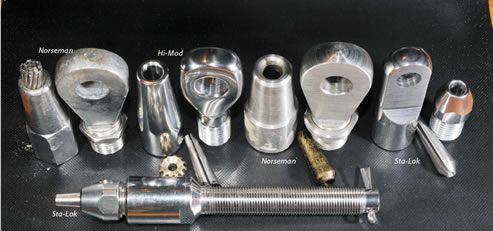
I am currently working with sailmaker Carol Hasse (www.porttownsendsails.com) on a new set of primary sails. She is the best at making cruising sails, and it is a luxury I am surrendering to. However, that is why I’m considering a DIY project for the trysail track. Any input on details such as proper track size, length, placement, and preferred mast fasteners and track backing (to combat corrosion) would be helpful.
Adding Some Zing To Anchor Testing
Quantifying anchor loads is tricky business, and our article on the topic, beginning on page 24, gives some insight into the trouble a tester faces when trying to compare the performance of various types of anchors. Apart from the obvious questions about the bottom type and the scope amount to be used for evaluating, testers need to sort out more subtle details, such as how the anchor should be set, how the load should be applied, and what the pull direction should be.

A Practical Look at Sailboat Cockpit Design
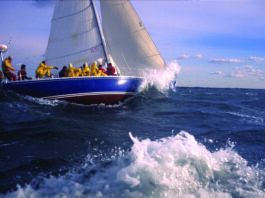
A sailboat cockpits design and layout can determine the process of boat-handling tasks, including everything from steering and sail trimming to what goes on when its time to reef. Weve found that many cockpits are optimized for at-anchor enjoyment instead of underway usability, so boat shopping should include close scrutiny of how essential sailing and boat-handling tasks will be accomplished. Make sure that the cockpit of the boat you are about to buy is in keeping with the mission of the rest of the boat-whether youre a marina hopper, a club racer, or an offshore cruiser. Our recent survey of cockpits covers the highs and lows of cockpit design for various types of sailboats, and also includes a DIY guide to rating cockpit ergonomics to help your boat-shopping process.

Of Safety Tethers and Comfy Cockpits
There are so many things wrong with this photo, I am not sure where to begin. Theresa, my wife, was steering our weathered 61-year-old ketch toward a tricky pass in the Solomon Islands. The photo is now more than 16 years old, well past the statute of limitation on the offenses described below, so Im hoping I can fess up without too much shame. (The biggest wrong, I suppose, was that everything seemed just fine to me.)
Build Your Own Fender Boards
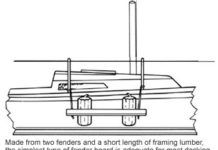
Fender boards are almost a necessity when docking against pilings because without them, no matter how you position and secure your boat and fenders, movement of tide and boat will displace the position of the fenders relative to the piles. The result dinged topsides.
Functional Fabrics
In some ways, the good old days just weren’t that good. Just ask any old salt who has watched an expensive canvas dodger mildew, rot, and fall to pieces. When Sunbrella entered the market four decades ago, the strides forward were significant. When it comes to fabricating a long-term, waterproof fabric cover, it’s hard to beat the combination of vinyl and acrylic or vinyl and polyester. Practical Sailor compared Sunbrella, Sunbrella Plus, and WeatherMax in a long-term field test and some creative bench tests. Testers compared weight, sewability, breaking strength, water shedding, permeability, and price.
Pushing Marine Fabrics Beyond Their Limits
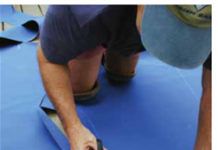
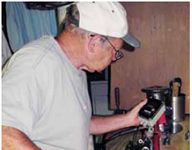
Two years ago, we sewed up our own dodger and assorted deck covers made from Sunbrella and WeatherMax fabrics and monitored how well the materials stood up to 24/7 weather exposure and the extreme climate flip-flops of the mid-Atlantic region. On a parallel track, we did some controlled—and creative—material testing restricted by tight budget constraints. For example, we lacked an Instron tension test machine to carry out a formal ASTN D5034 elongation and breaking strength test, so we did the next best thing: We made our own.
Caring for Marine Fabrics
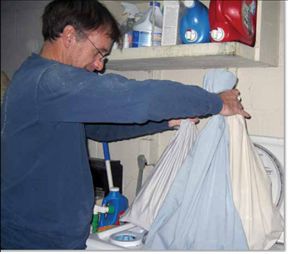
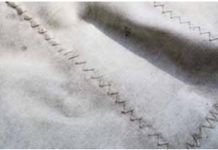
To keep your Biminis, dodgers, and sail covers clean and in service for the long haul, regular maintenance is a must. Here are some best practices and care tips weve picked up over the years.
Lithium Batteries on Sailboats: The 3 Mistakes Everyone Makes
Lithium batteries are one of the most popular sailboat upgrades today—but they’re also one of the most misunderstood. In this Practical Sailor Saturday episode,...



Latest Sailboat Review
Island Packet Estero Used Boat Review
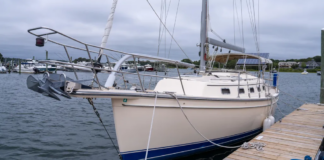
Florida-based Island Packet targets a relatively narrow niche, so the toughest competitors to its new boats are often older Island Packets. Introduced in 2010, the 36-foot, shoal-draft Estero is the company’s latest attempt to introduce a distinctive model that doesn’t stray too far from the company’s proven formula for success: moderate displacement, full-keel cruisers designed to be lived on, sailed far and in comfort, and endure the bumps, scrapes, and storms that cruising boats inevitably encounter. After sailing the Estero on Florida’s Sarasota Bay and inspecting its interior, construction, and systems, Practical Sailor testers noted that the shoal-water cruiser will appeal strongest to Island Packet fans who’ve been waiting for a shoal-draft, easy-to-sail boat that compares to the IP37 in terms of interior space. These strengths will be most apparent on intracoastal or riverine adventures like the Great Loop.