

Round 2: Chafe Gear for Mooring and Dock Lines
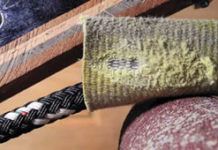
With hurricane season in full swing and volatile fall weather approaching, storms can threaten the safety of sailboats by placing extra loads on dock and mooring lines. In the July 2011 issue, Practical Sailor evaluated rope chafe protection and found Fjords Chafe-Pro chafe guard trumped products from Taylor Made, Fiorentino, and Davis Instruments. This followup report-the result of aggressive bench testing and long-term field testing-compares the top pick Chafe-Pro to new mooring and dock line protection from Fjord and Robship, as well as do-it-yourself options like fire hose, leather, and a homemade Kevlar/Acrylic sandwich.
Laying the Ground Rules
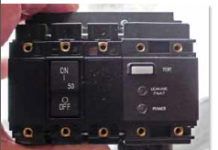
In the excellent article on DIY boat surveys on page 19 of your June 2012 issue, PS suggests that AC outlets located in the galley and head (among other places) should be ground-fault protected. BoatUS requires this as well, for those of us insured with them, and the National Marine Manufacturers’ Association (NMMA) also requires it. I wish someone could explain to me why this is the case.
Practical Sailors Picks for Best Sailing Gear of 2012
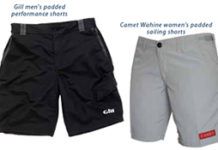
Of the dozens and dozens of sailing products Practical Sailor tested between September 2011 and August 2012, only 18 earned the designation as 2012 Editors Choice gear. These are marine products that clearly stood out among their peers during our independent tests as the best in their category-marine maintenance, marine electronics, sailing apparel, personal gear, etc.-and whose performance earned the confidence of Practical Sailors editors. A hybrid touchscreen multi-function display that can link with your iPhone; an iPad app that can serve as a backup for your chartplotter; a powerful, rechargeable LED spotlight that floats; an affordable vent filter that eats up holding tank odor; and a single-part varnish that retains a mirror-like gloss for more than a year-these are just some of the picks for the years best sailing gear.

Ocean Tested: Rock-climbing Gear
In this “Ocean Tested” report, PS contributor Drew Frye, an avid sailor and rock climber, makes the case for using recreational climbing gear in marine applications. He’s had over 20 years of experience with the climbing products—aluminum carabiners, bolt hangers, climbing slings, etc.—in all sorts of marine applications and has found that the crossover gear can save money while doing double duty. His report offers an overview of the gear and its potential uses onboard, as well as tips on where to find it.

Settling the Keel-shape Debate
With the Intracoastal Waterway shoaling getting worse each year, its no wonder that were seeing a flurry of shallow-water cruisers. Recent debuts include Rod Johnstones J/95 (PS, August 2010) and Rodger Martins Presto (PS June 2011), both centerboarders. This month, we look at another shoal-draft cruiser, the Island Packet Estero, a 36-footer with a full keel.

Anchor Testing and Rode Loads
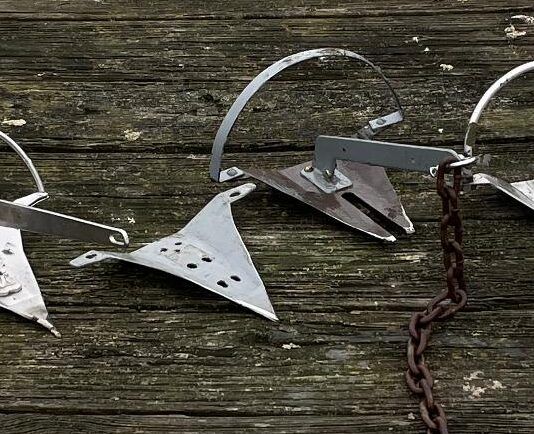
Many published anchor tests focus on holding capacity, and most conclude that newer, concave fluke-design anchors such as the Spade, Rocna, and Manson anchors perform better than older, traditional anchors such as the plow-design CQR, claw anchors like the Bruce, and Danforth-style anchors such as the Fortress. But how useful is this data? Rather than just testing anchors to specific, fixed loads, PSs recent evaluation raises questions about the various wind-induced loads placed on anchors in real-life situations and how future anchor tests should be carried out.
DIY Trysail Track Retrofit
I am currently working with sailmaker Carol Hasse (www.porttownsendsails.com) on a new set of primary sails. She is the best at making cruising sails, and it is a luxury I am surrendering to. However, that is why I’m considering a DIY project for the trysail track. Any input on details such as proper track size, length, placement, and preferred mast fasteners and track backing (to combat corrosion) would be helpful.
Adding Some Zing To Anchor Testing
Quantifying anchor loads is tricky business, and our article on the topic, beginning on page 24, gives some insight into the trouble a tester faces when trying to compare the performance of various types of anchors. Apart from the obvious questions about the bottom type and the scope amount to be used for evaluating, testers need to sort out more subtle details, such as how the anchor should be set, how the load should be applied, and what the pull direction should be.

A Practical Look at Sailboat Cockpit Design
A sailboat cockpits design and layout can determine the process of boat-handling tasks, including everything from steering and sail trimming to what goes on when its time to reef. Weve found that many cockpits are optimized for at-anchor enjoyment instead of underway usability, so boat shopping should include close scrutiny of how essential sailing and boat-handling tasks will be accomplished. Make sure that the cockpit of the boat you are about to buy is in keeping with the mission of the rest of the boat-whether youre a marina hopper, a club racer, or an offshore cruiser. Our recent survey of cockpits covers the highs and lows of cockpit design for various types of sailboats, and also includes a DIY guide to rating cockpit ergonomics to help your boat-shopping process.

Of Safety Tethers and Comfy Cockpits
There are so many things wrong with this photo, I am not sure where to begin. Theresa, my wife, was steering our weathered 61-year-old ketch toward a tricky pass in the Solomon Islands. The photo is now more than 16 years old, well past the statute of limitation on the offenses described below, so Im hoping I can fess up without too much shame. (The biggest wrong, I suppose, was that everything seemed just fine to me.)
Latest Logbook

Practical Sailor Logbook – September 2026
In September we tour the Hans Christian 48T — the offshore cruiser many sailors call the holy grail — walk the custom Antigua 60...

Video: RIB vs Inflatable Catamaran Dinghy
For decades, the standard cruising setup has been something like a 10-foot RIB with a 15-horsepower outboard, but lightweight cat dinghies are challenging that...



Latest Sailboat Reviews
Learning by Doing on a $5,000 Catalina 30 Mk II
When Davis’s mother started talking about wanting to do something “big” for retirement, Davis and Gloria half-jokingly threw out an idea that seemed suitably...