


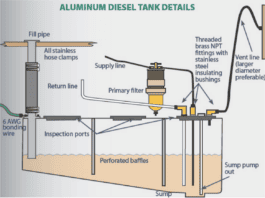


Storing Diesel Fuel
When it comes to storing a gasoline powered vessel, you are generally better off keeping tanks full, adding a corrosion-inhibiting additive, and installing a...
Alternator Overheat: A Surprising Solution for Older Boats
Over the years, and with two different small diesels working in the tight quarters of the engine compartment of our 1978 Islander Bahama 30,...
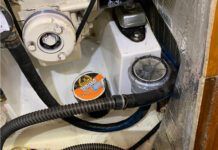
Unblock Seawater Intake: Dinghy Pump Hose Hack
It was another spectacular summer day as we released the dock lines and once again escaped life ashore, the trusty diesel humming beneath our...

Pre-Purchase or Insurance Survey: Which One Do I Need?
You’ve been bitten by the sailing bug and every spare minute is spent searching online for that perfect vessel. You’ve narrowed it down to...

In Search of Better Filters
Presumably, air cleaners are about dusty environments, and dust is a rare thing on the water. But is the engine room actually clean?
We’ve seen...

Offshore Log: Thoughts on Engine Spares For Cruising
Emptying out the spares inventory for Calypso's Perkins diesel was an eye-opener—there were plenty of parts back-ups, and, in Nick's view, all for the best of reasons.

The Front Line in Filtration
Wire mesh screens are a pain to clean. Fibers push through neighboring holes, resulting in what is known in the industry as “stapling.” They...

Engine Replacement on Islander Bahama 30
There may come a time when repowering your cherished sailboat needs to be addressed. I suspected that not all 13 horses of the venerable...

Simple Lithium for Outboard-Powered Tenders, Daysailers, and Sport Boats
Lithium is cool. Your cell phone uses it. Cameras, laptops, flashlights … everything. But “cool” is not a reason. Fire is not a big...
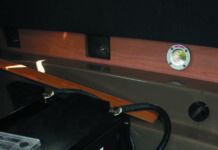
Ensuring a Safe Space for Batteries
When charging, lead acid batteries generate hydrogen from the electrolysis of water, and some acid gases, the amount of which vary with the battery...
Latest Logbook

Practical Sailor Logbook – October 2026
This month leans into used-boat value and hands-on maintenance: Tim Labute tours the traditional, shoal-draft Bayfield 32, Nick Nicholson revisits the much-requested Morgan 38/382,...

Video: What Happened to the Hallberg Rassy 400
Filmed at the Annapolis Sailboat Show, we take an in-depth look at the Hallberg-Rassy 400's hull construction, twin helm cockpit, twin rudder steering system,...



Latest Sailboat Reviews
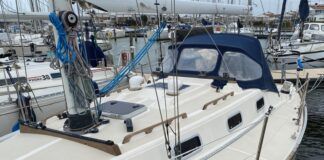
Tartan 31 Piper: Used Boat Review
The Tartan 31 is one of the new line of performance cruising yachts from the venerable-and durable--Grand River, Ohio boatbuilder. In the last few years, Tartan Marine has come out with a range of new models, including the T-28, the 3500 and the 4600. A 41-footer is in the works. Both the 28 and the latest version of the 31 are part of the new Piper series, which are marketed in sailaway condition. Tartan has a reputation for solid construction and good workmanship and that's what the 31 is: solid and well put together. The hull is hand-laminated with alternating layers of chopped strand mat and unidirectional E glass. Behind the NPG/ISO gelcoat there's a layer of vinylester resin, which so far appears to provide the best osmotic blister protection available.