

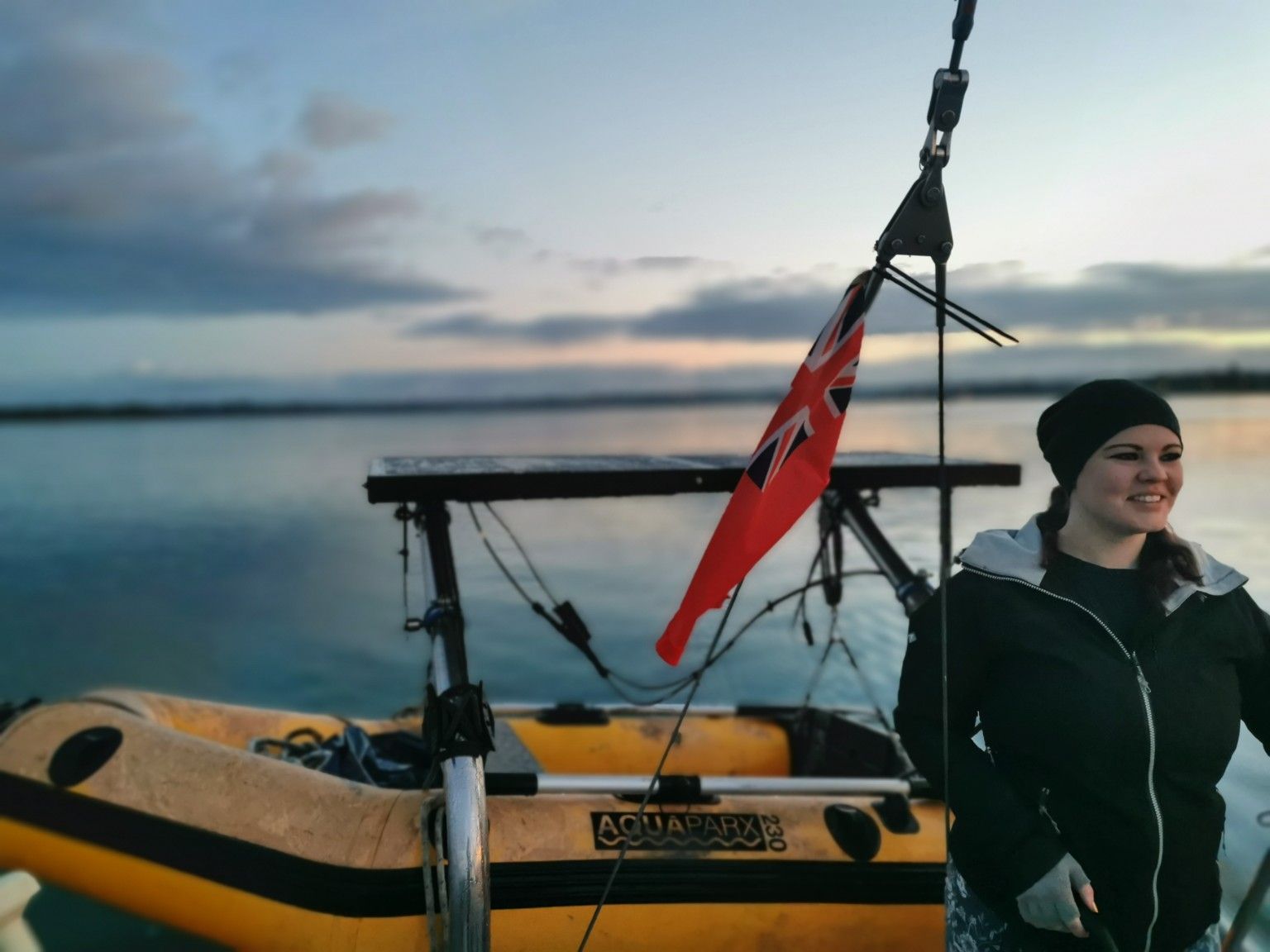
When we first moved aboard Sudana, our 29-ft. Thames Mirage fiberglass sailboat, our electrical demands were pretty modest. We had a fridge, laptops and phones, lights, navigation equipment, and a VHF. We installed two 100W solar panels, giving us 200W of solar generation, and a 120 amp hr LiFePO4 battery. Over time, we added a television and, much later, a diesel heater. It sounds like a fairly small system, and it is. But for how we used the boat, it turned out surprisingly capable.
To continue reading this article or issue you must be a paid member. Sign in

Join Practical Sailor
Get full access to Practical-Sailor.com – more than 4,000 articles – for just $34.
Join today and save 42% off our full price.










This is a great article. It also nice to see som e new contributors here!
Nice boat, nice evolution of thought.
I liked that you reinforced that you get less from solar panels in higher latitudes and in winter. I found that in winter I spent fewer Ahs on refrigeration, but those savings were offset by increased lighting and the heating system draw. Never a free lunch.
You might look at replacing the fabric on the bimini with semi-flexible solar panels. It looks like you could add another 400 watts there with minimal shading.
I have about 180w of solar and a 180 amp/hr AGM battery. I find that it’s the battery that is the limiting factor. I would increase by battery storage to run the boat for +48 hrs before increasing my solar.
More Battery vs. More Solar. The arguments for each would make for an interesting article. In general, my boats have had about the same Ah battery capacity as Watts of solar, but there was some coincidence involved.
* Cost. Batteries used to be cheaper, now not so much.
* Weight. Solar used to be lighter, but with lithium, not so much.
* Available space on deck and below.
* Other charging sources. Engine, wind, or marina stops.
* Latitude, season, and frequency of cloudy days.