

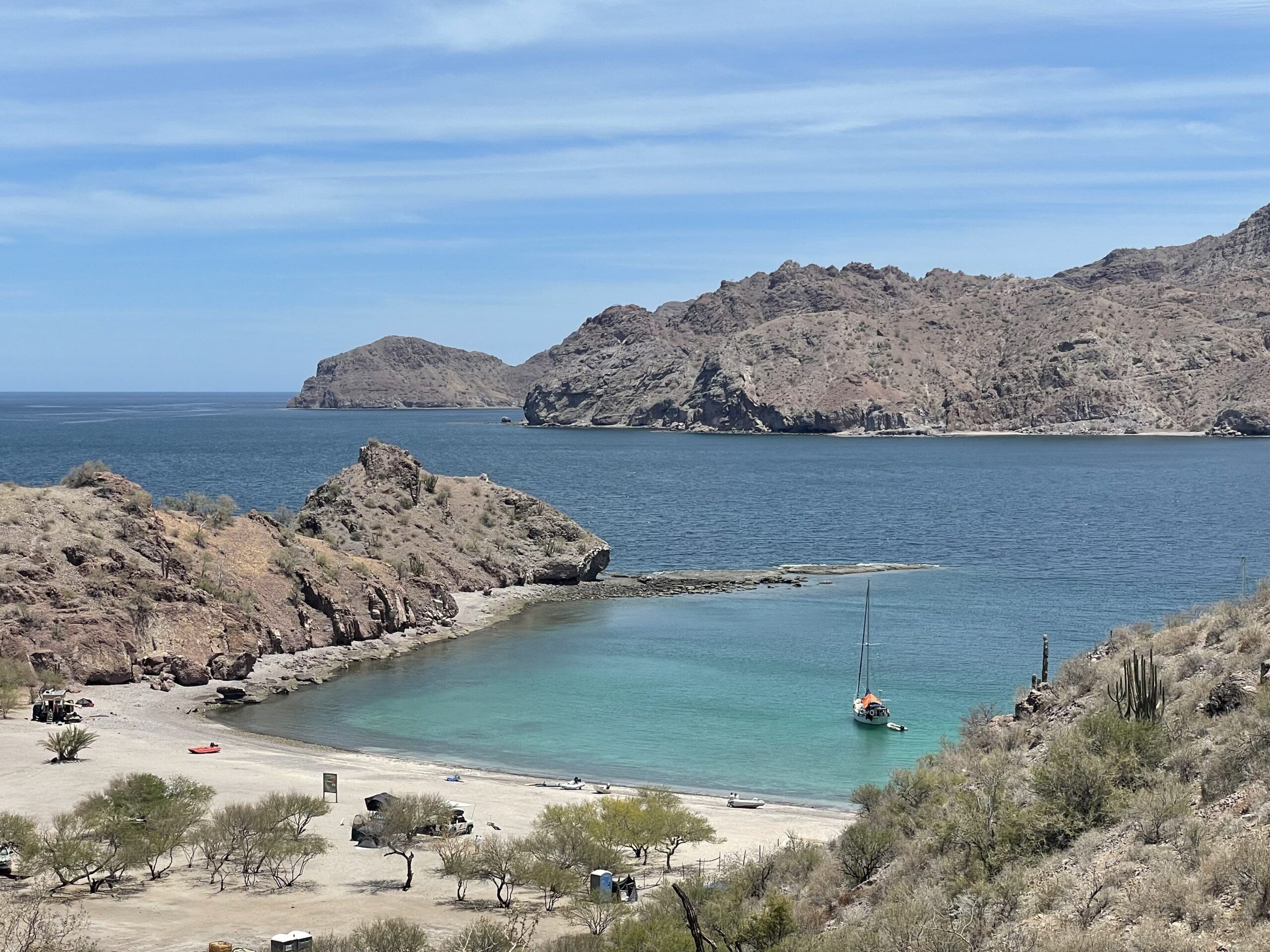
When people think of the Sea of Cortez, also known as the Gulf of California, images from Steinbeck’s “The Log from the Sea of Cortez” often come to mind. Endless desert landscapes, remote coves and a diversity of sea life that’s hard to top. To be honest, I did not read the book. We dove into the Sea with little idea of what to expect. Over the course of ten weeks, we covered a lot of water and discovered what true cruising means: friendships, foraging for food and plenty of fun.
We also learned quickly that summer in the Sea of Cortez brings calm, often empty anchorages and surreal beauty. But it also brings sometimes oppressive heat, sudden chubascos and swarms of bees.
Heading North: The First Taste of Summer Cruising
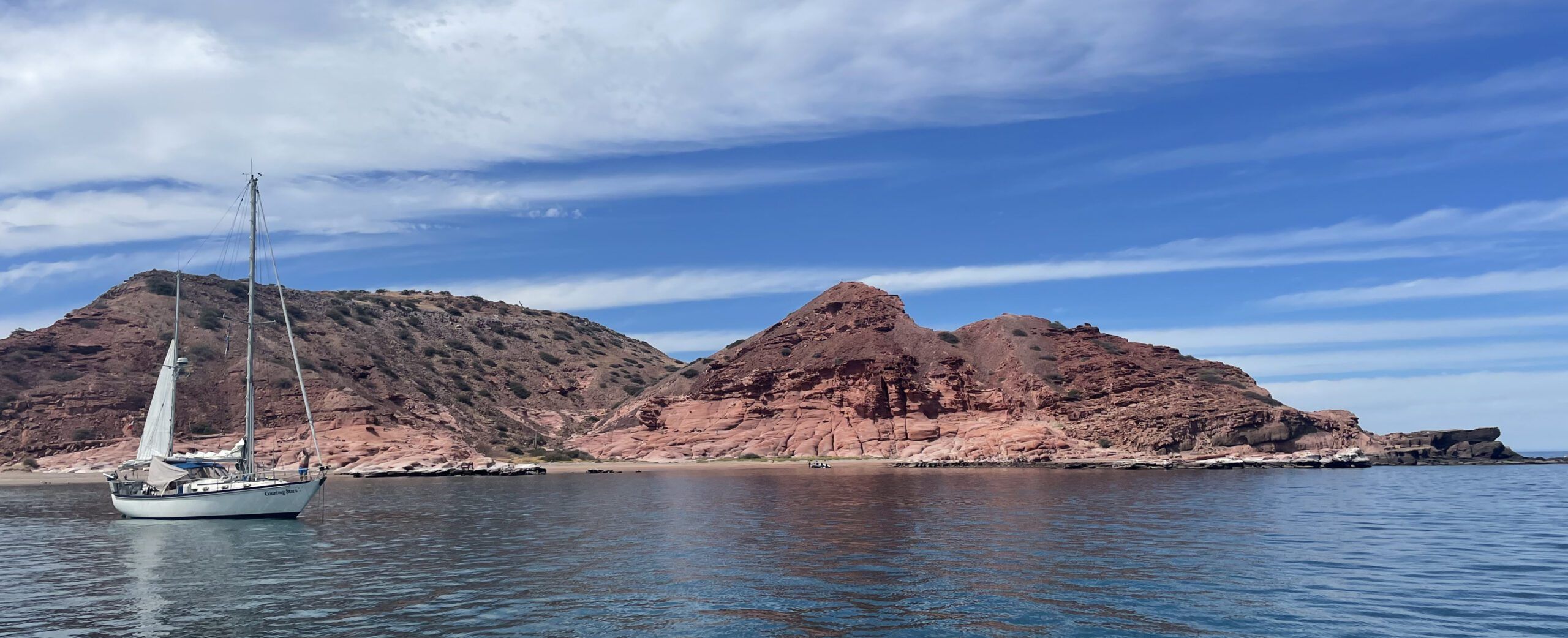
With spring southerlies at our backs, we left Mazatlan on the mainland of Mexico and aimed northeast. Ahead of us was a 230-mile passage, and we were hoping to sail. But summer was settling in, and the winds that were forecast never truly materialized.
We followed the advice we’d been given: “Once the wind dies, motor north so the sail isn’t hard upwind the whole time.” We stuck to it, sailing when we could and north motoring when we had to. Three days later, we made landfall at Isla Espíritu Santo in Bahía Bonanza. We motored more than we anticipated and rolled into the anchorage with very little fuel in our small tanks.
Our first glimpse of the Baja side was a near-empty anchorage with crystal-clear, if still chilly, waters. But our destination lay further north, so we pressed on.
By then, the infamous winter northerlies had subsided, replaced by steady southerlies that pushed us up the coast. Most mornings were leisurely. We’d wait for the breeze to fill in, then sail to the next anchorage, dropping the hook by dinnertime. Baja is blessed with more anchorages than the mainland, making short day-hops simple and fun.
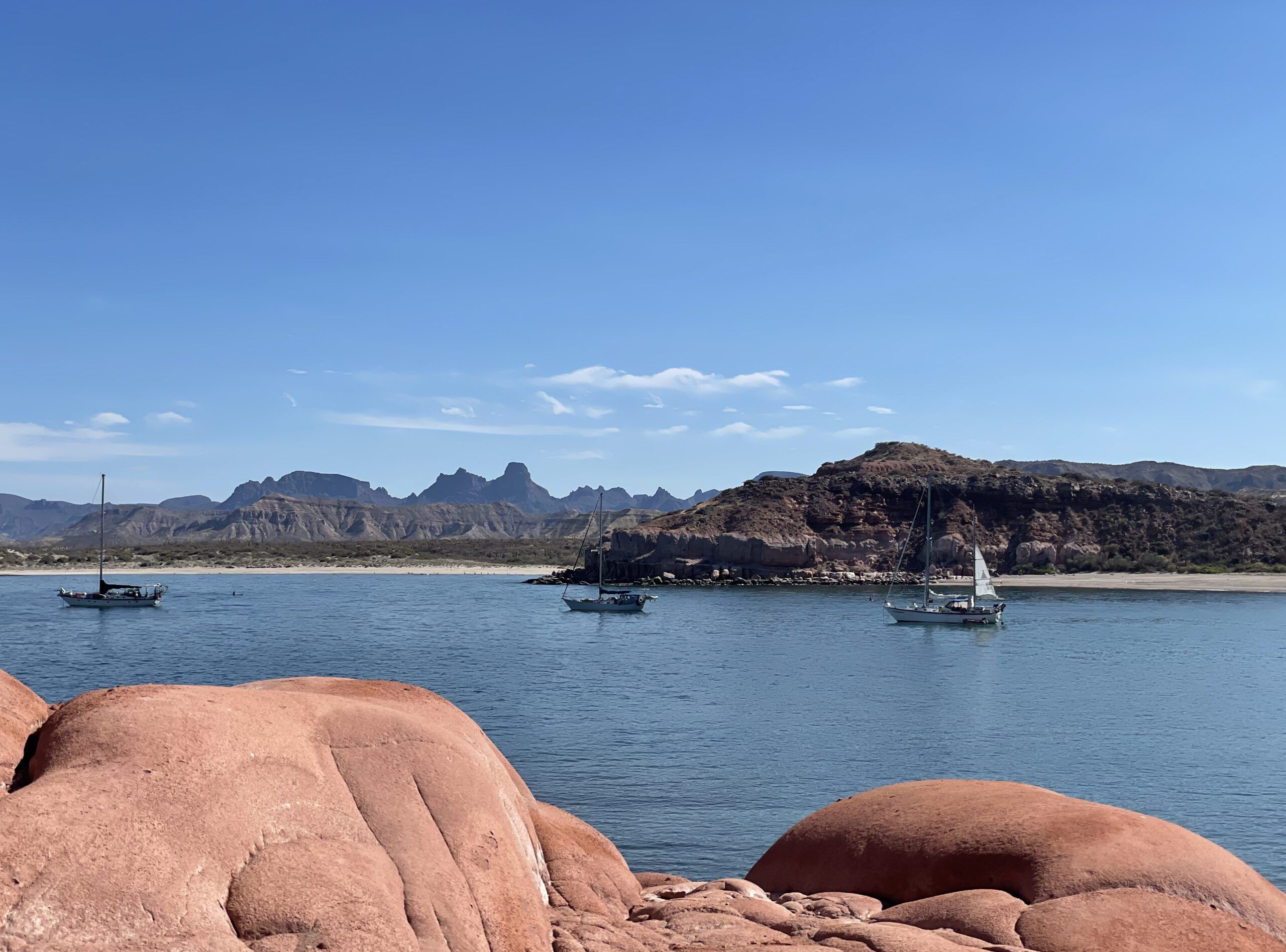
This was also our first taste of meeting up with friends, new and old, at nearly every stop. We had dinner parties at Isla Coronado, visited a fisherman’s home in San Evaristo, and hid out in Los Gatos from what turned out to be the last northerly of the season. There, we finally tested the spearguns we’d bought months before in Vancouver.
Agua Verde: A Summer Cruiser’s Playground
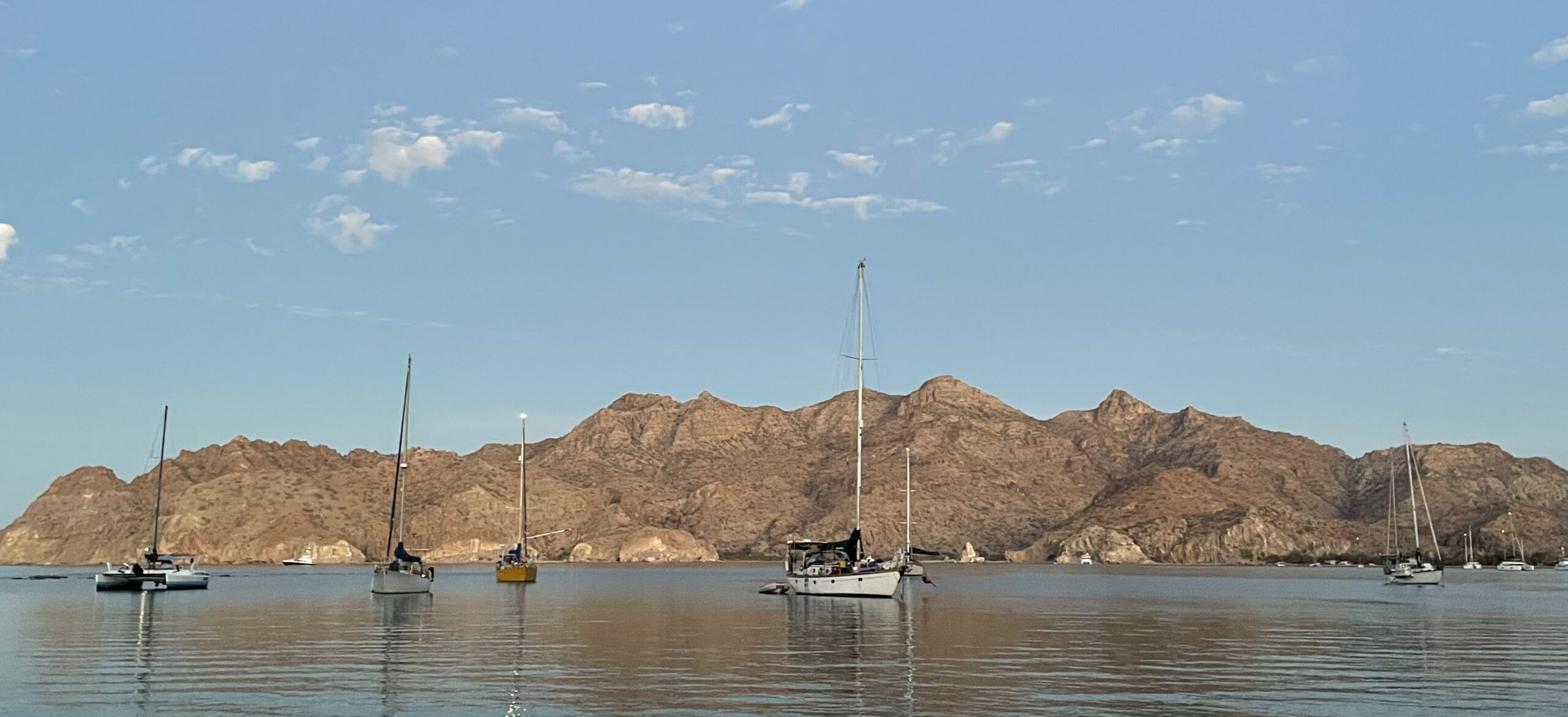
Our growing armada of boats sailed into Agua Verde on a breezy 15-knot afternoon after a friendly “regatta” (more than two boats is all it takes). It turned out to be the busiest anchorage of the summer. Thankfully, Agua Verde is big enough to spread out with three distinct anchoring areas, all with different levels of wind and wave protection.
At first, we dropped anchor off the beach near the palapa restaurants. A decision we regretted the next day when the swell turned our boat into an amusement ride bucking bronco. We quickly moved to the more protected north side, squeezing into eight feet of water uncomfortably close to our neighbors, who thankfully happened to be friends. With our 5.5-ft. keel, we had just inches to spare at the king tide.
Agua Verde offers everything cruisers hope for: clear water, abundant sea life and a few modern conveniences. Palapa restaurants served some of the best shrimp tacos we’ve ever had. A small tienda (shop) kept us topped up on basics. And, surprisingly, goats roamed the shoreline, their bleats carrying across the bay. If you’re lucky, you can even buy fresh goat cheese.
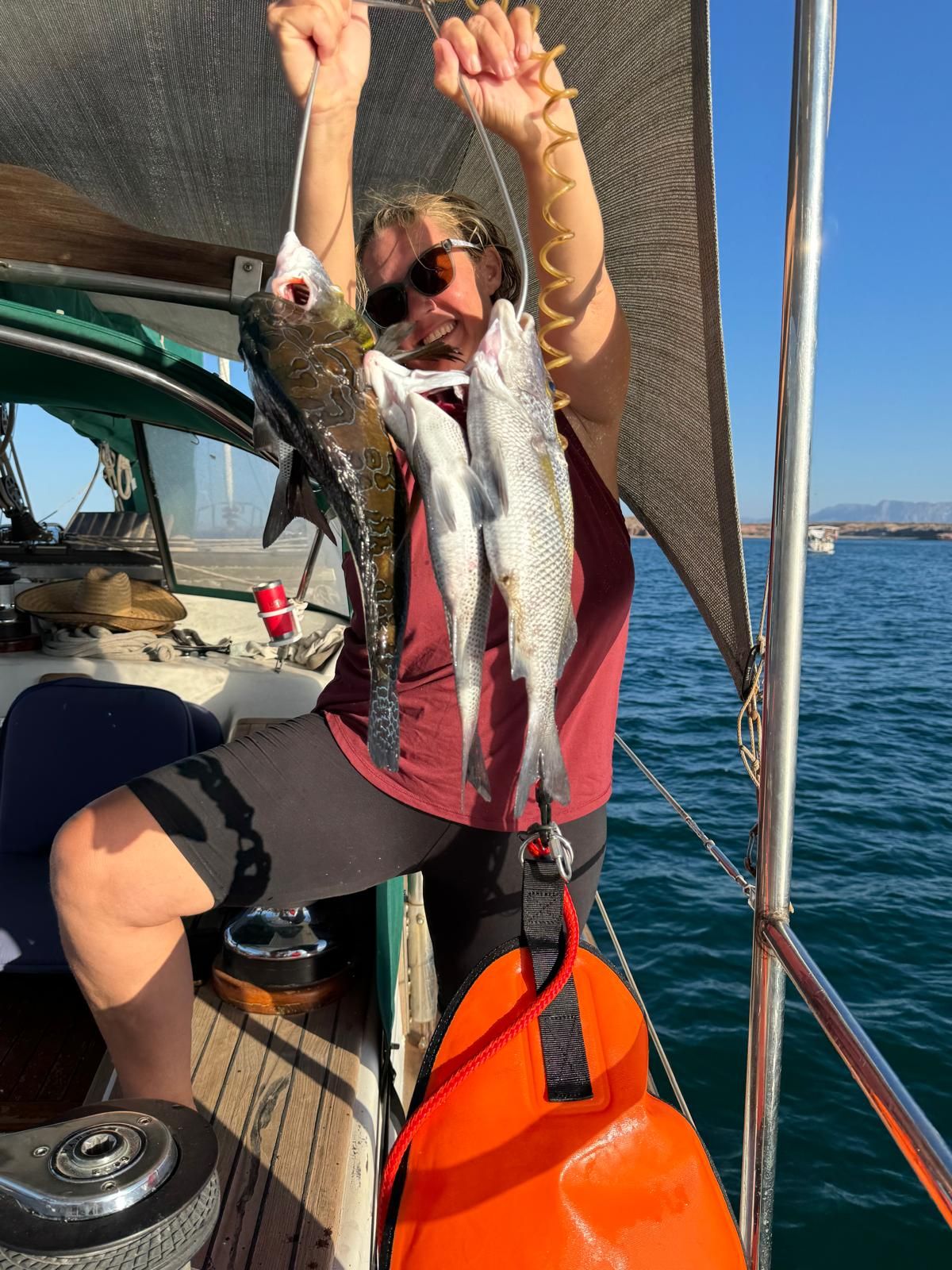
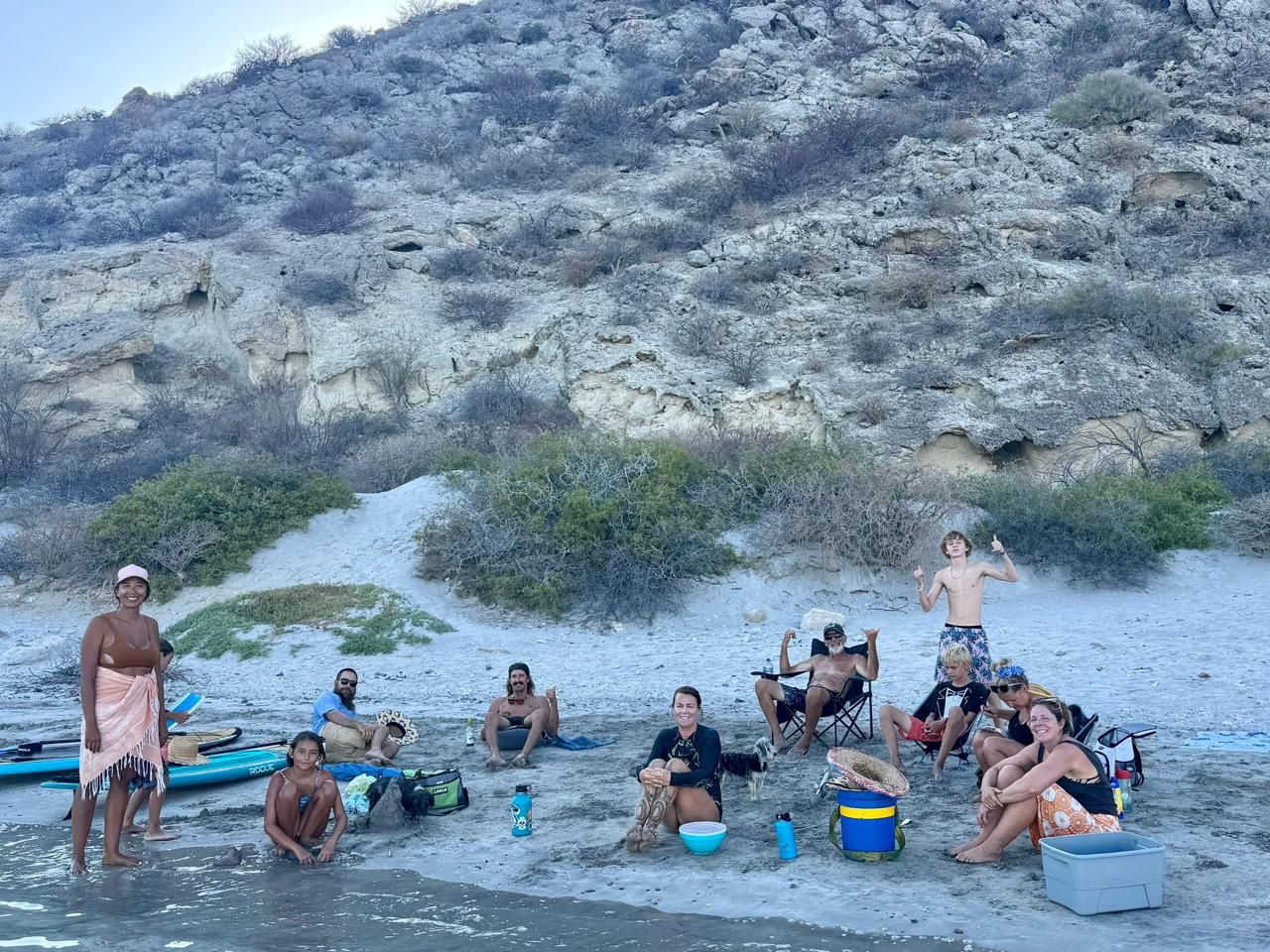
Days were spent spearfishing with mixed results—we quickly learned even the worst fish can be disguised by making fish nuggets. Afternoons brought potlucks ashore, shade tarps strung up between paddles and oars, and the kind of cruiser camaraderie we’d been missing since Tenacatita on the mainland. Two weeks later, with promises to meet up again, we pushed north again.
Puerto Escondido: Luxury in the Desert
After weeks without long showers, laundry or diesel, Puerto Escondido felt like luxury. The marina offered a fuel dock, laundry, a solid restaurant and the fanciest showers we’d ever seen. The price matched the perks: about $45 USD per night for a mooring ball, with slips even higher.
For us, the stop was a short but welcome reset. Time to fill the tanks, clean the clothes, and rent a car for a provisioning run to Loreto. It wasn’t the type of experience we were chasing long-term, but it was worth it before heading into more remote anchorages.
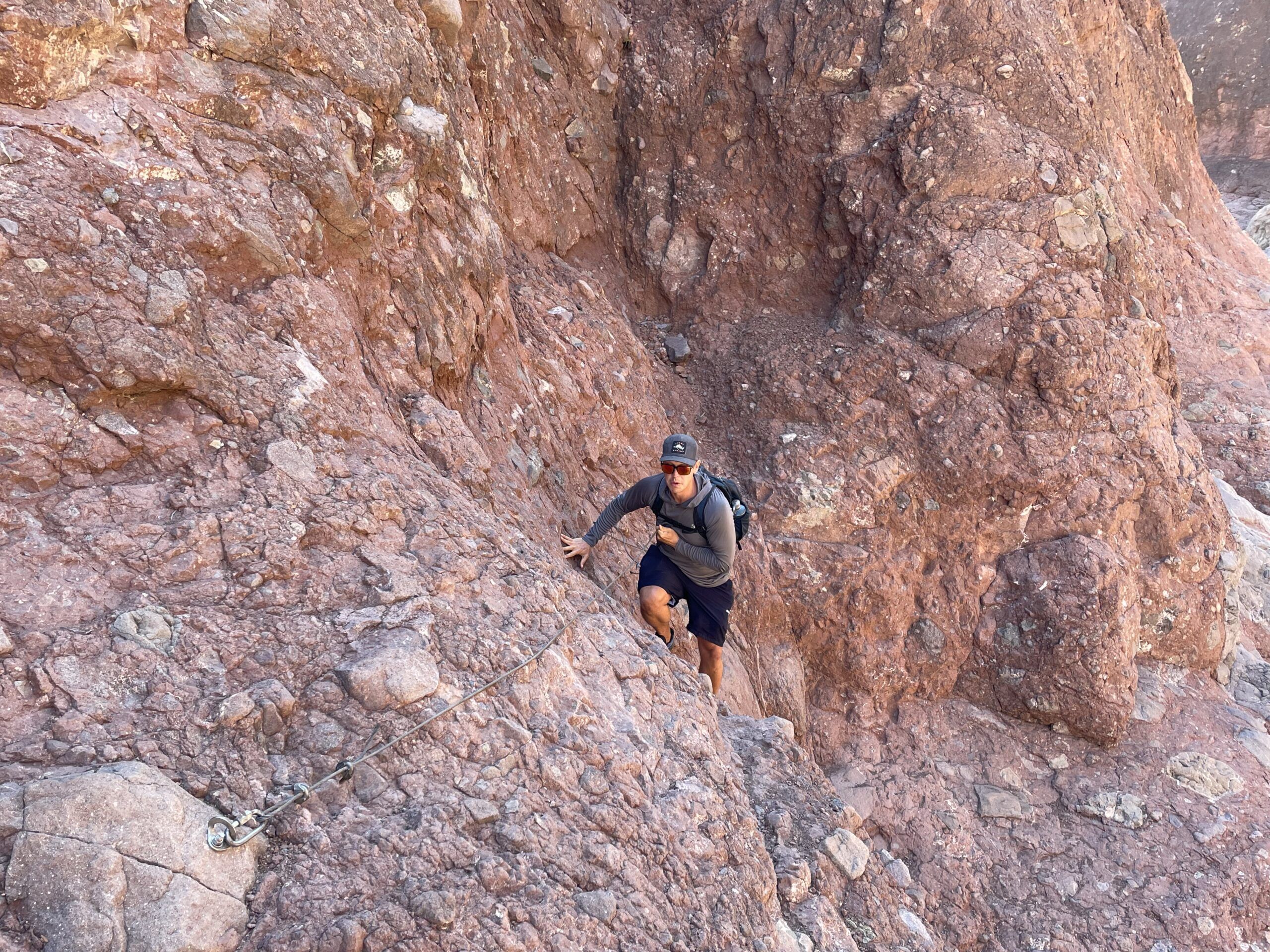
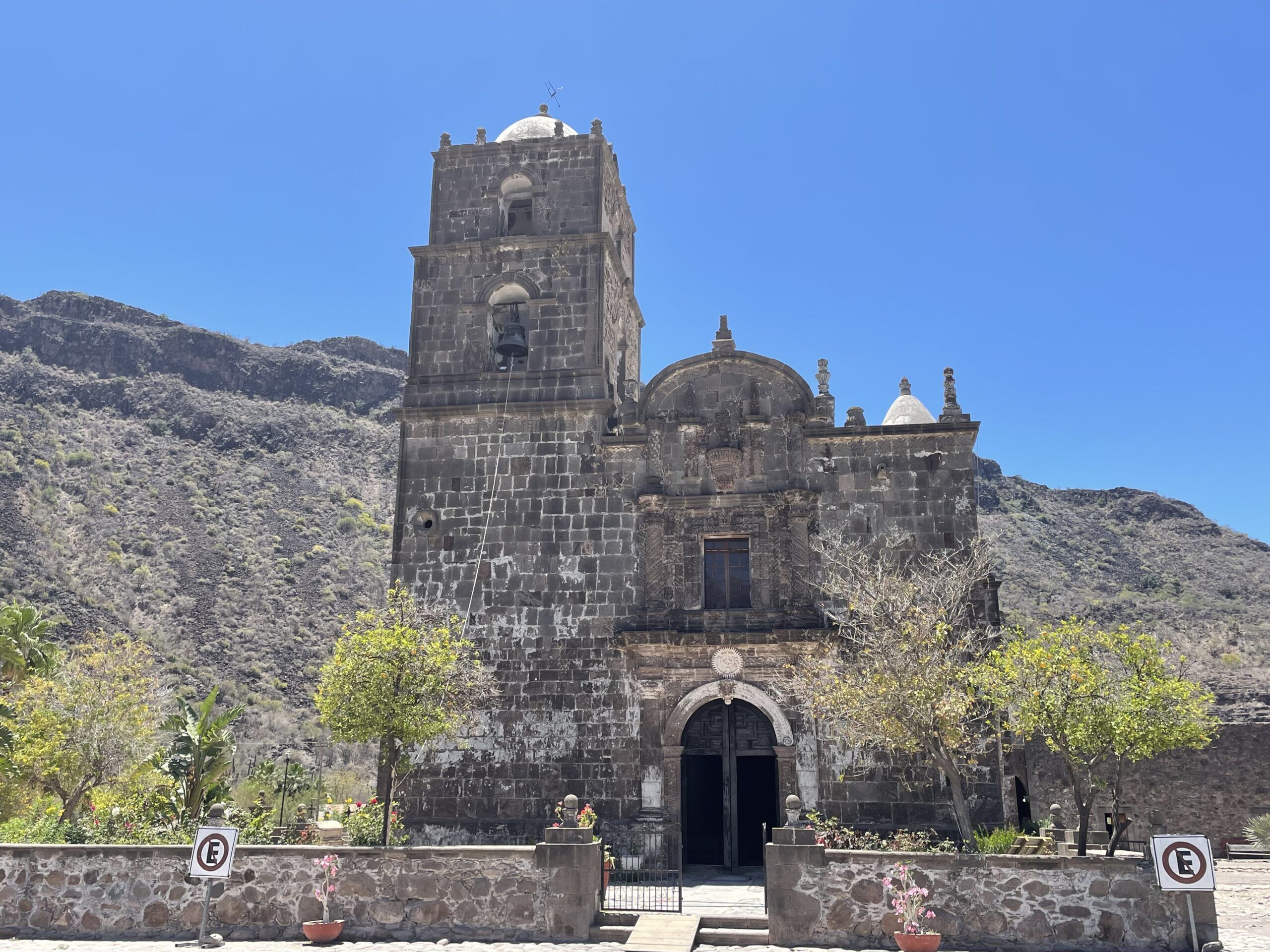
Not to be missed is hiking Tabor Canyon, sometimes referred to as Steinbeck’s Canyon. This trail, while challenging in some parts, hikes up a riverbed to some pools. Depending on the season, the pools may be empty, but it’s a beautiful hike. For those with a car, the Mission up in the mountains is worth a stop. It’s a beautiful site with a 1,000-year-old olive tree.
Isla Carmen: A Speedy Circumnavigation
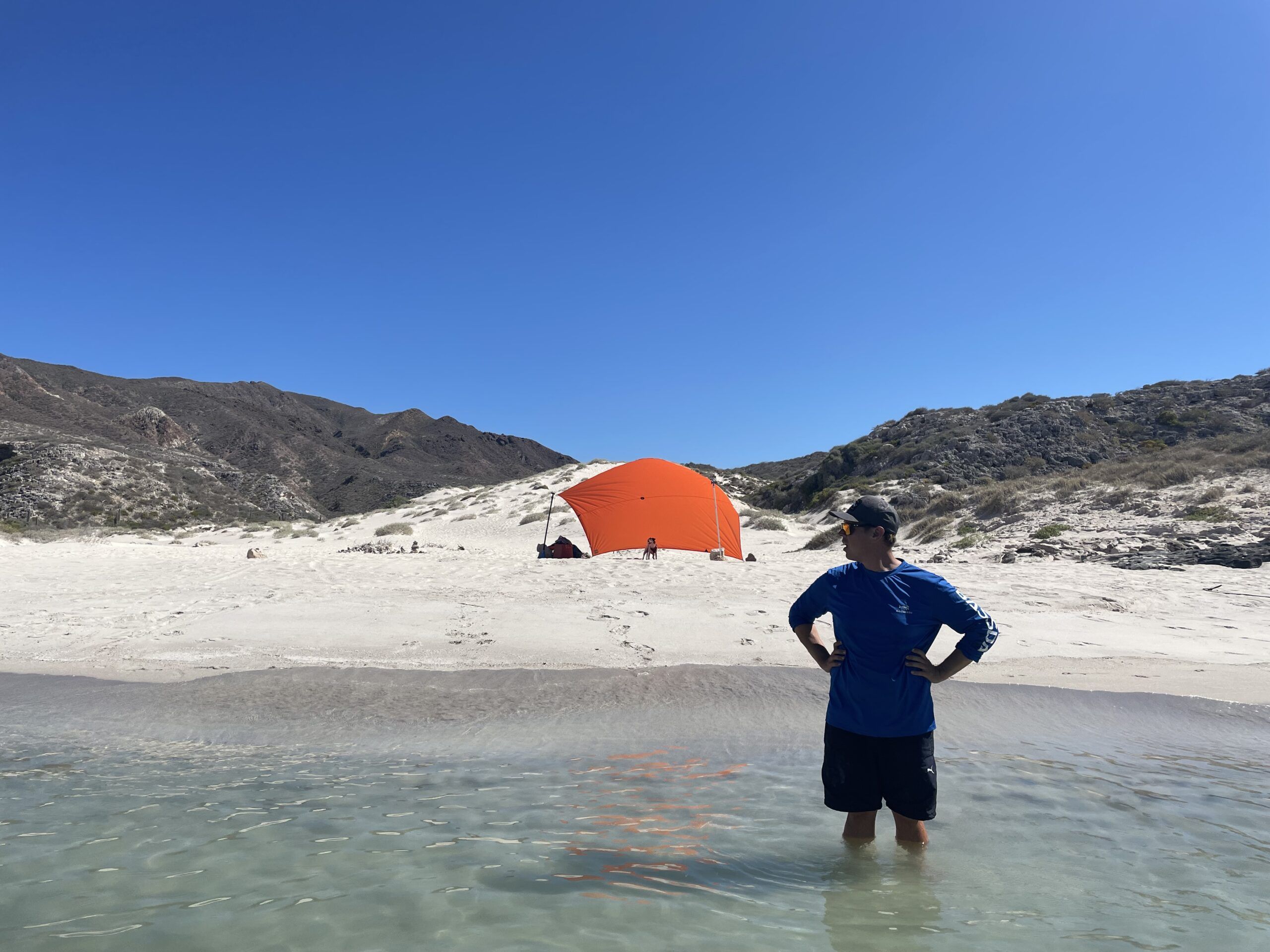
Isla Carmen offered the best of both worlds with remote-feeling anchorages just a day hop from town. We made quick stops in Bahía Salinas to visit the old salt mine and wreck, tucked into Bahía Cobre to dodge westerlies, and enjoyed the white sands of V-Cove before a final provisioning run into Loreto.
Bahia Salinas is the largest of the anchorages with plenty of room to accommodate a number of boats, the other two were much smaller and barely accommodated our group of three to four boats.
San Juanico: Remote Cruising at Its Best
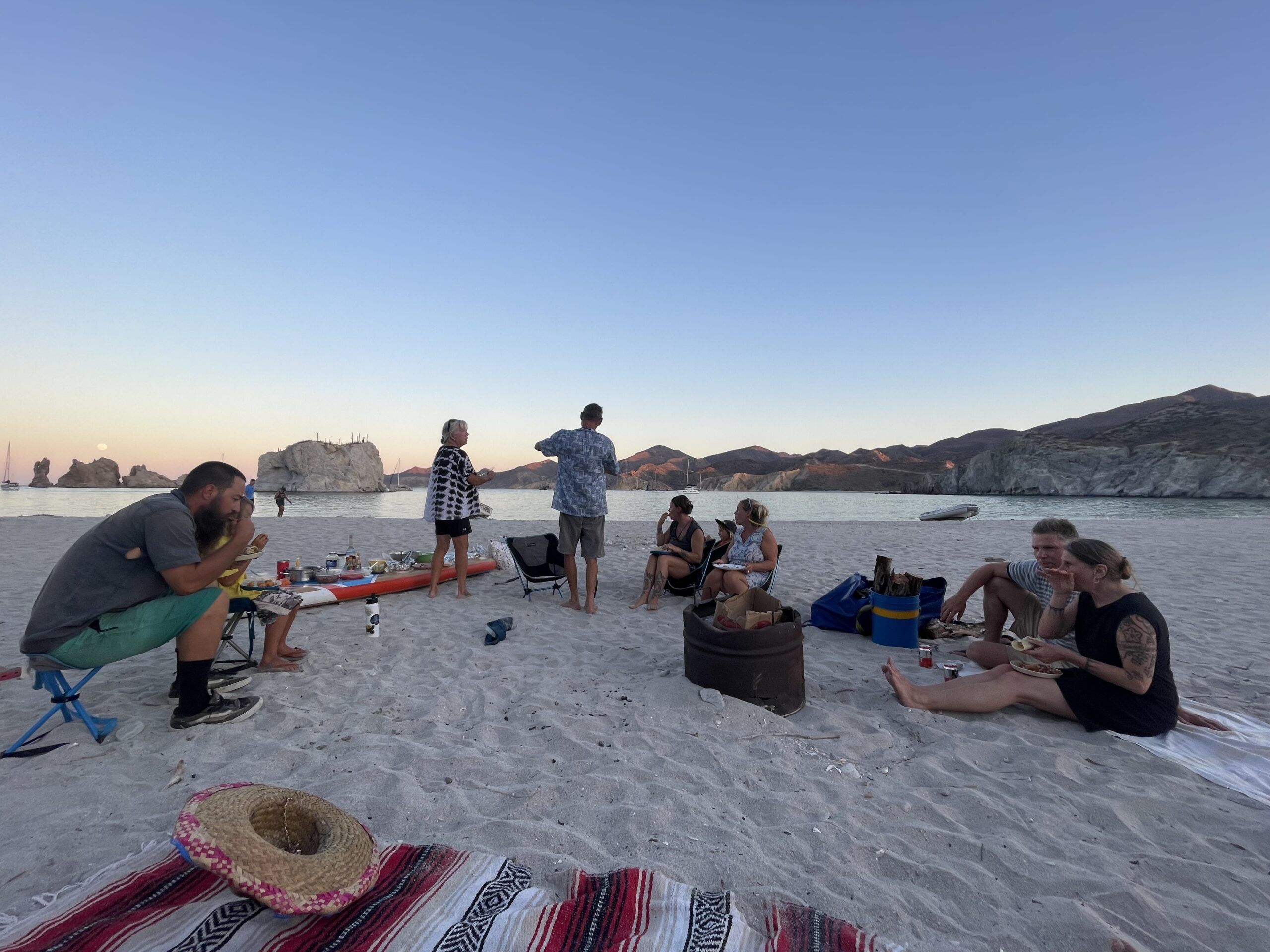
Our fleet grew again at San Juanico, a sprawling bay with several coves and shallow sand bottoms. Anchoring in eight to ten feet of water, close to our neighbors, had become our new normal.
Compared to Agua Verde, San Juanico felt far more remote. There were no tiendas to rely on, just our spearguns and whatever food we dug out of the bilges.
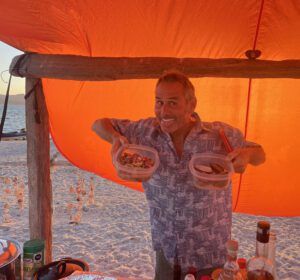
We celebrated birthdays with bonfires and beach movies, snorkeled the rocky reefs, and left our mark at the famous cruiser shrine. It was exactly the kind of community and freedom we’d been seeking.
Bahía Concepción: Endless Coves, Endless Heat
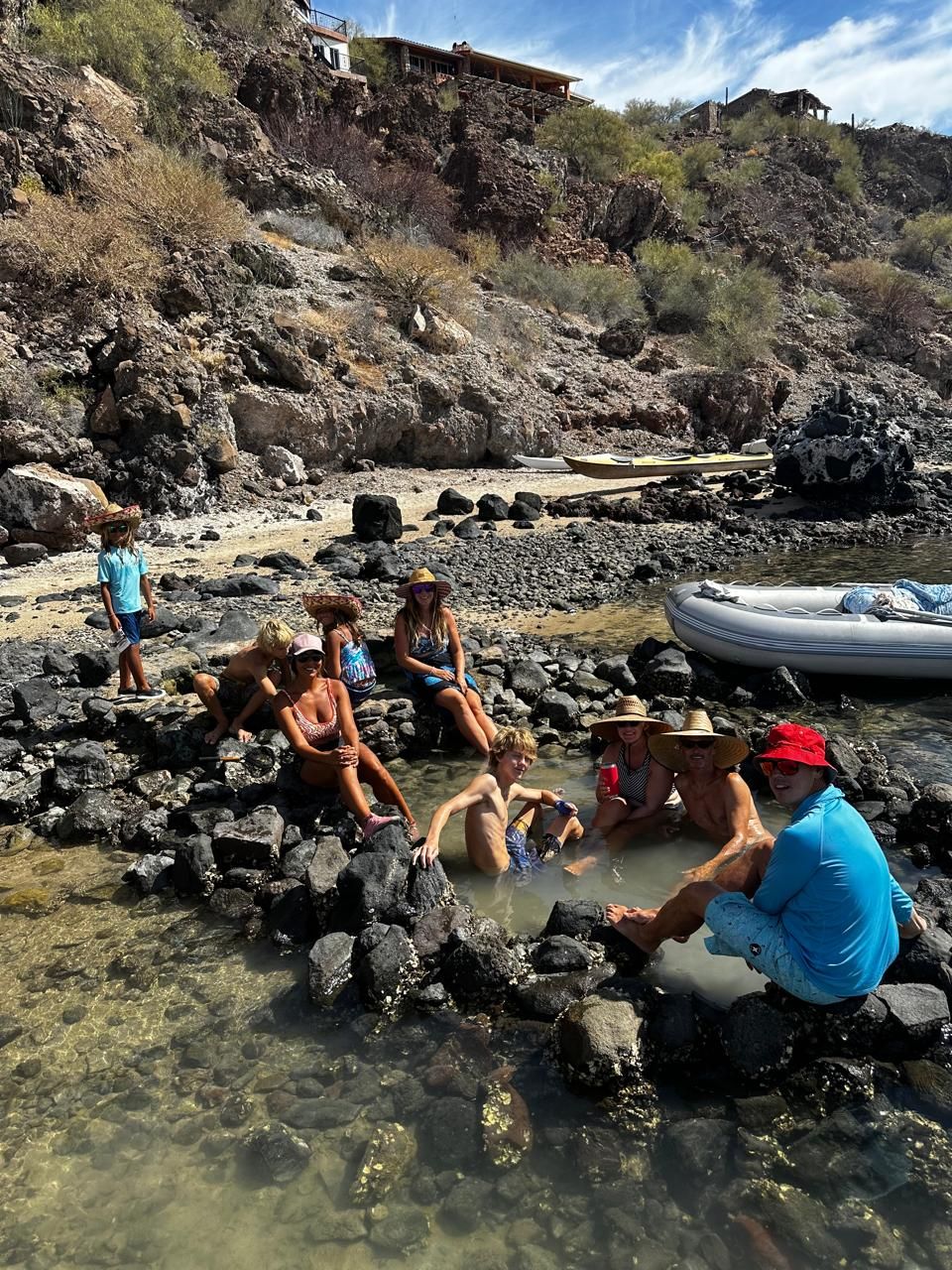
As we moved farther north, the anchorages grew emptier. In Bahía Concepción, we rotated through coves, each with its own draw: hot springs, snorkeling or a beachside restaurant at Santispac.
At Playa El Burro, we didn’t love the anchoring but hiked to petroglyphs and “musical rocks,” then refueled at the local coffee shop, Nomadica. Dinghy runs revealed a tiny tienda at Playa Coyote. It was just enough to get by.
By the time we reached Punta Santo Domingo, our buddy boats began drifting away for their own haul-outs. For us, the road led farther north still.
Santa Rosalía: History and Tortillas
We skirted Isla San Marcos to avoid currents, arriving in Santa Rosalía for a short marina stay. Our 40-ft. boat barely fit into the slip. We were thankful that our boarding gates were mid-ship, because that’s where the finger stopped. The price was right at about $30 a night.
Provisioning here was excellent. We favored the MiniSuper Delya for produce and meat, as it was superior to the Ley grocery store. The fresh flour tortillas from Santa Agueda could not be beat and we stocked up before leaving. The Eiffel-designed Santa Bárbara church and museums that told its mining history made this more than just a provisioning stop.
Pushing North: Remote Magic and Summer Storms
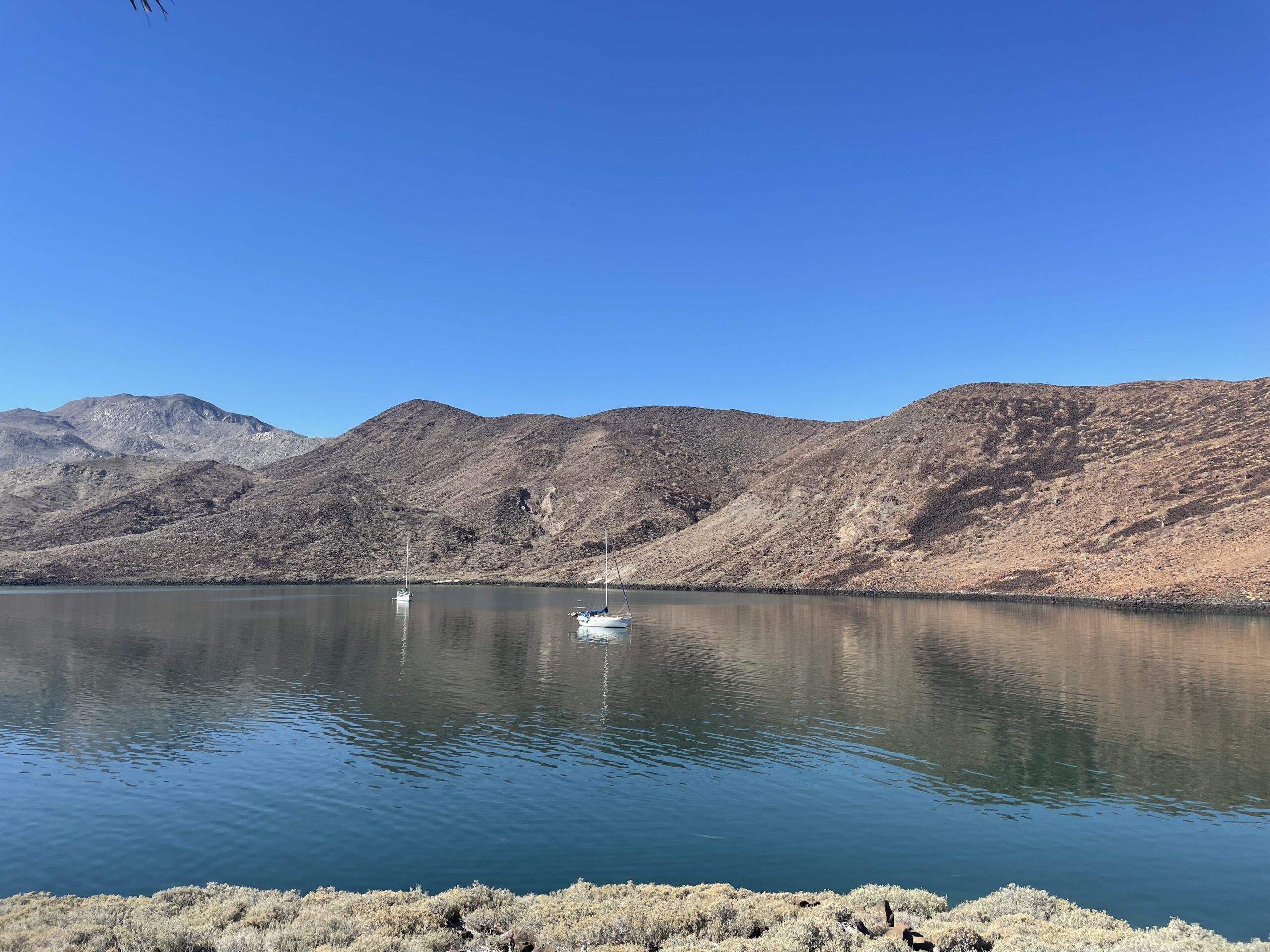
With our Puerto Peñasco haul-out looming, we pressed north. Timing was everything now. Bigger tides, stronger currents and the threat of summer westerlies made the next couple of passages tricky. We left for San Francisquito at 3 a.m. to beat the winds, only to face a slog of wind-against-current chop.
Bahía Don Juan offers a safe hurricane hole, although thankfully none were present during our stay. The rugged shoreline was home to a couple of coyotes that patrolled in the mornings and evenings. While there are bees all over the Baja peninsula, this is where we really learned to live with bees. Hundreds of them, swarming any drop of fresh water. We did our best to keep screens on and any hatches without them closed. We kept all freshwater (even the dog bowl) away during the early mornings as this was when they seemed to be the worst.
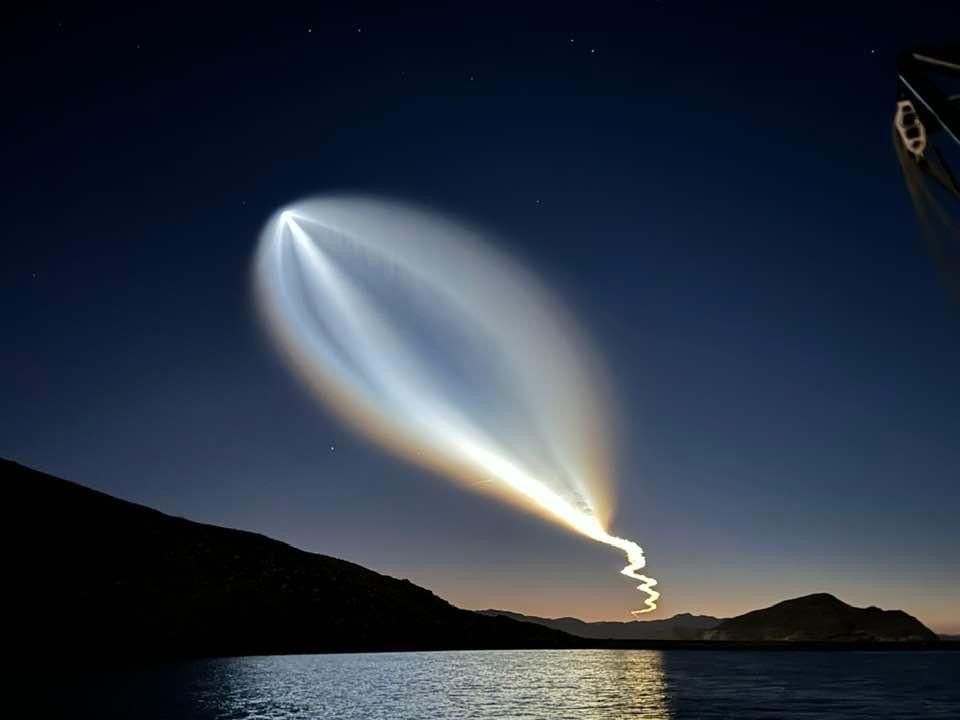
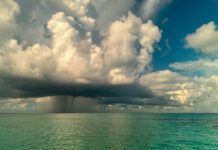
The Bay of LA (Bahía de Los Ángeles) gave us community again. A WhatsApp group connected summer cruisers, so we could all share tips and organize meet ups. Here is where most cruisers summer in the Sea will spend the bulk of summer, riding out any chubascos, short but violent squalls, that might come across from the mainland. The Bay of LA provides several anchorages to stay in, provisioning and whale sharks that may swim right under the boats.
Our last stop, Puerto Refugio, felt like the edge of the planet. Sea lions barked, turtles circled our boat, and the reefs teemed with fish. The desert landscape mirrored Utah or Colorado, but framed by turquoise water and fiery sunsets. It was pure wild desert.
The Slog to Puerto Peñasco
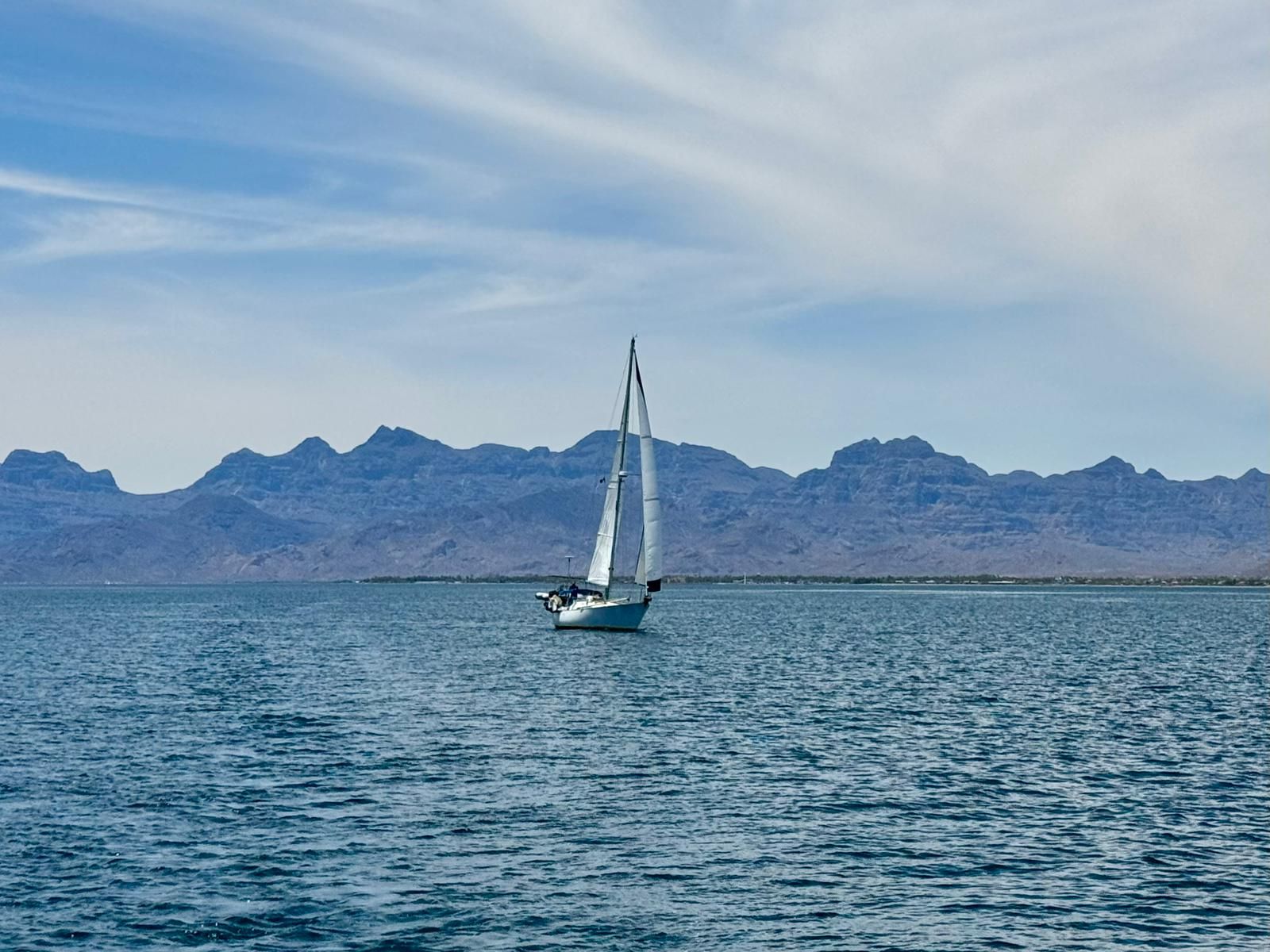
Finally, we caught a window to cross the top of the Sea. Timing the currents gave us “free speed” on the overnight passage. From the cockpit, we watched lightning flash across the mainland as a distant chubasco rolled through.
Arriving at Puerto Peñasco required careful tide work. The harbor entrance is shallow and narrow. We squeaked in with barely a foot under the keel and tied up, bittersweet about the end of our summer adventure and the beginning of haul-out season.
Lessons Learned: The Dual Nature of Summer in the Sea
I’d be lying if I said summer in the Sea of Cortez was all sunshine and champagne sailing. There were bees. So many bees. It was hot, sometimes unbearably. By June, the water was too warm to cool us off. The currents and gusty winds made sailing in the northern Sea frustrating.
Wild beauty, abundant marine life, empty anchorages, and a sense of freedom we hadn’t found elsewhere made cruising the Sea of Cortez in the summer worth it. More than anything, it was about community. The shared meals, hikes, spearfishing missions, and dinghy mischief that made the tough days and nights worth it.
Those are the memories we’ll carry long after the heat and bee stings fade.
Cruising Resources Sea of Cortez
Name Location Contact Notes Address (if available)
Club Cruceros La Paz Local cruising club, wealth of local information Topete 3040, y Legaspy El Mangalito, 23060 La Paz, B.C.S., Mexico
Marina La Paz La Paz [email protected] Has local dinghy dock (fee), water and trash disposal included in dinghy dock fee Calle Topete 3040 y Legaspy, Barrio Manglito, 23060 La Paz, B.C.S., Mexico
Mini Market Miguelito Aqua Verde N/A Market with limited selection of fresh food. There’s a sign on the beach that will point in the direction of the market.
Puerto Bello Restaurante Aqua Verde [email protected] Beachfront restaurant with good tacos and free wi-fi
Marina Puerto Escondido Puerto Escondido [email protected]
+526131318097
Marina, mooring balls, haul out, fuel dock, laundry, garbage and showers. Marina office can also arrange rental cars. Calle Bahia de las Palmas Mza 15 Lote 1, 23894 B.C.S., Mexico
Ferremar Loreto Loreto +52 613 135 0407 Marine and fishing store. Calle Benito Juarez 75, Centro, 23880 Loreto, B.C.S., Mexico
Mercado Juarez Loreto +52 613 135 1184 Great location for groceries. Much nicer than the “big” stores. Centro, 23880 Loreto, Baja California Sur, Mexico
Misión San Francisco Javier de Viggé-Biaundó Loreto Old mission. Sightseeing place to visit 23893 San Javier, Baja California Sur, Mexico
Nomadico Baja Coffee and Brunch Playa El Burro Good restaurant/coffee shop Playa Burro Carretera transpeninsular, Loreto-Santa Rosalía Lote Kilometro 108-5, 23900 Heróica de Mulegé, B.C.S., Mexico
Mini Super Delya Santa Rosalia Good selection for a local market Vicente Guerrero 22, Centro, 23920 Santa Rosalía, B.C.S., Mexico
Ley Santa Rosalia Santa Rosalia Big grocery store. Can be hit or miss De la Fundición, No 61, 23920 Santa Rosalía, B.C.S., Mexico
Santa Águeda Tortillería Santa Rosalia Best flour tortillas in the Baja De la Fundición 21, Mesa Francia, 23920 Santa Rosalía, B.C.S., Mexico
Marina Santa Rosalia Santa Rosalia +52 615 152 1768 Inexpensive marina Carr. Transpeninsular, Mesa México, 23920 Santa Rosalía, B.C.S., Mexico
Mercado Xitlali Bahia de Los Angeles Grocery and some hardware Domicilio conocido, 22980 Bahía de los Ángeles, B.C., Mexico
Frederico’s Marina Puerto Penasco +52 638 104 4813 Small marina
Cabrales Boatyard Puerto Penasco (638) 383-2111 DIY boatyard





Great information and pictures, though I couldn’t find Puerto Don Juan on Google maps.
Hi! I’m not 100% sure why it’s referred to as a port because it won’t show up on Google Maps (there’s literally nothing there). It’s basically a small bay with a narrow entrance. But here are the GPS coordinates for it on google (28.942142, -113.450615). You can easily find it on NoForeignLand and probably a chartplotter.
Lovely article Jaclyn! Great boat the Fast Passage! We have our boat in La Paz, and are fitting out for some cruising. Our shakedown will be a circumnavigation of The Sea of Cortez, your article was inspirational, and we’re really looking forward to it. We live in Todos Santos year round so we’re quite familiar with the wildlife, and we’ve had some amazing encounters with bees here as well. Thanks for the article. If you’re still around feel free to reach out, our Bella Sera lays in Marina de La Paz, and II’m there often. Thanks again.