

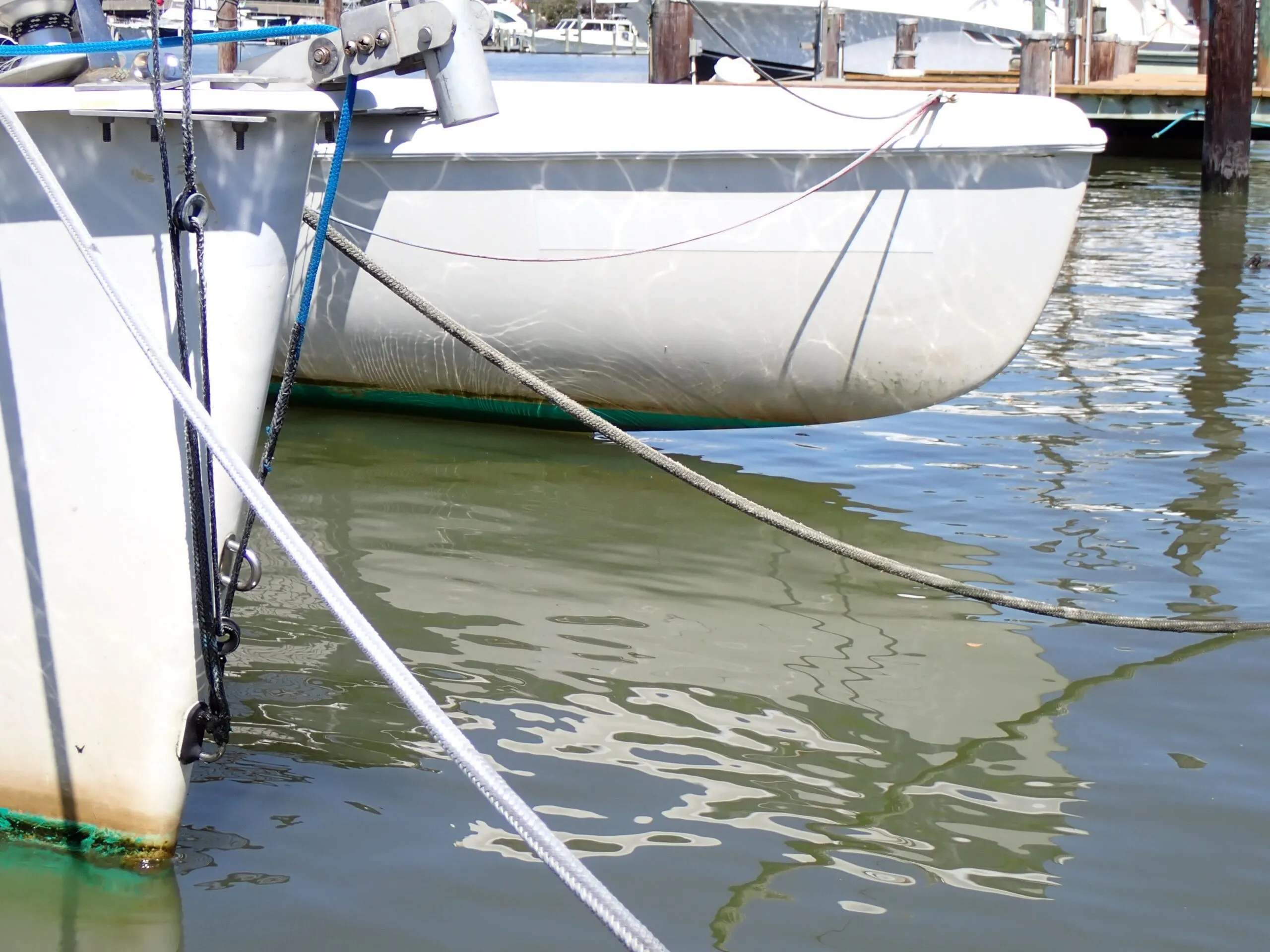
After two years of panel and on-boat testing on the mid-Chesapeake Bay, we settled on Total Boat Krypton, one of the top performing copper-free paints, for our personal boat. Our past experience, through more than a dozen bottom jobs using West Marine PC Gold, Interlux Micron Products, or Pettit SR 40, we expected to see some barnacles and soft growth starting at about months, requiring a few scrubs during the second summer. This time things were better.
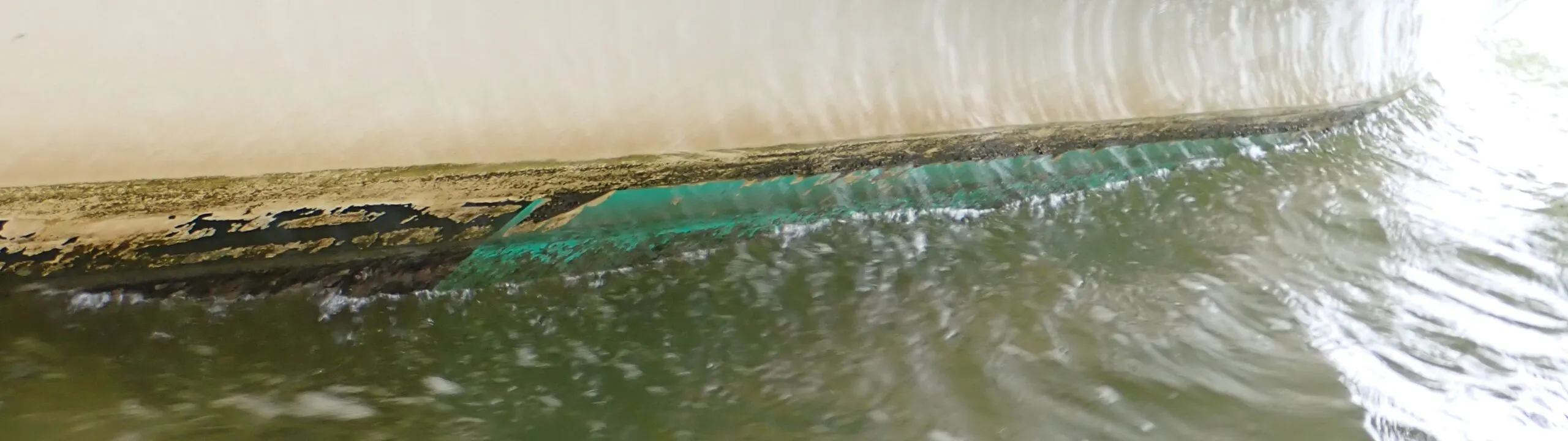
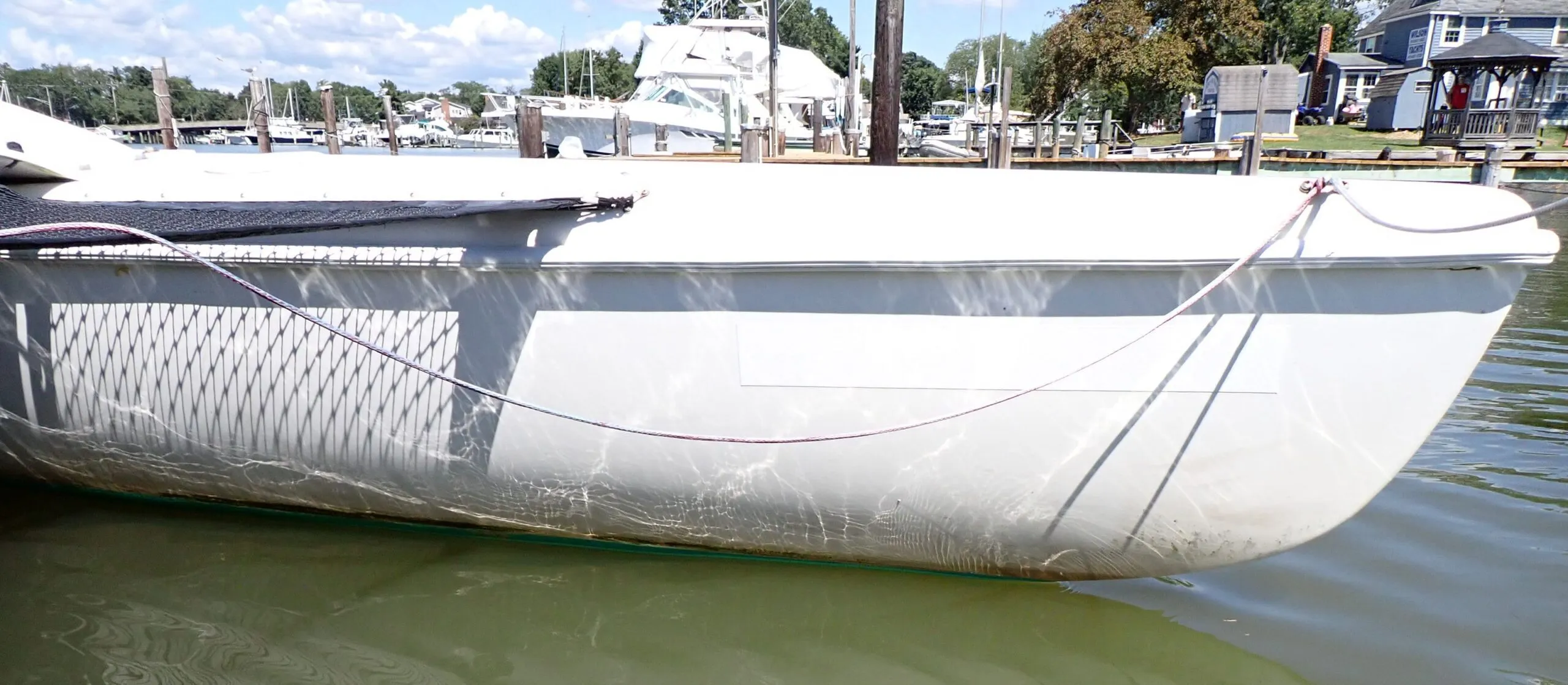
This morning, I was all set for a vigorous scrubbing session since I had not scrubbed or inspected the bottom a single time in 48 months. What I found were just three barnacles and not enough soft growth to fill a tea cup. No painting this fall. The winter cold will prevent growth until at least April, and as for the third summer season, I guess we’ll see how it goes. Perhaps a few scrubs will get us through.
The panel in the 2021 antifouling paint tests failed in the third year, but the boat sees more natural scrubbing. Total Boat Krypton is also a self-polishing paint, rather than a soft ablative, and it should take some light scrubbing in the third season better than most. Again, we’ll see.
The Chesapeake Bay is brackish, with only about 25 percent salinity at the test location, but it’s brown water and very active fast fouling most years. Please see “Antifouling for Brackish Water” for a full review of antifouling paints on the Chesapeake Bay.
Bottom Line
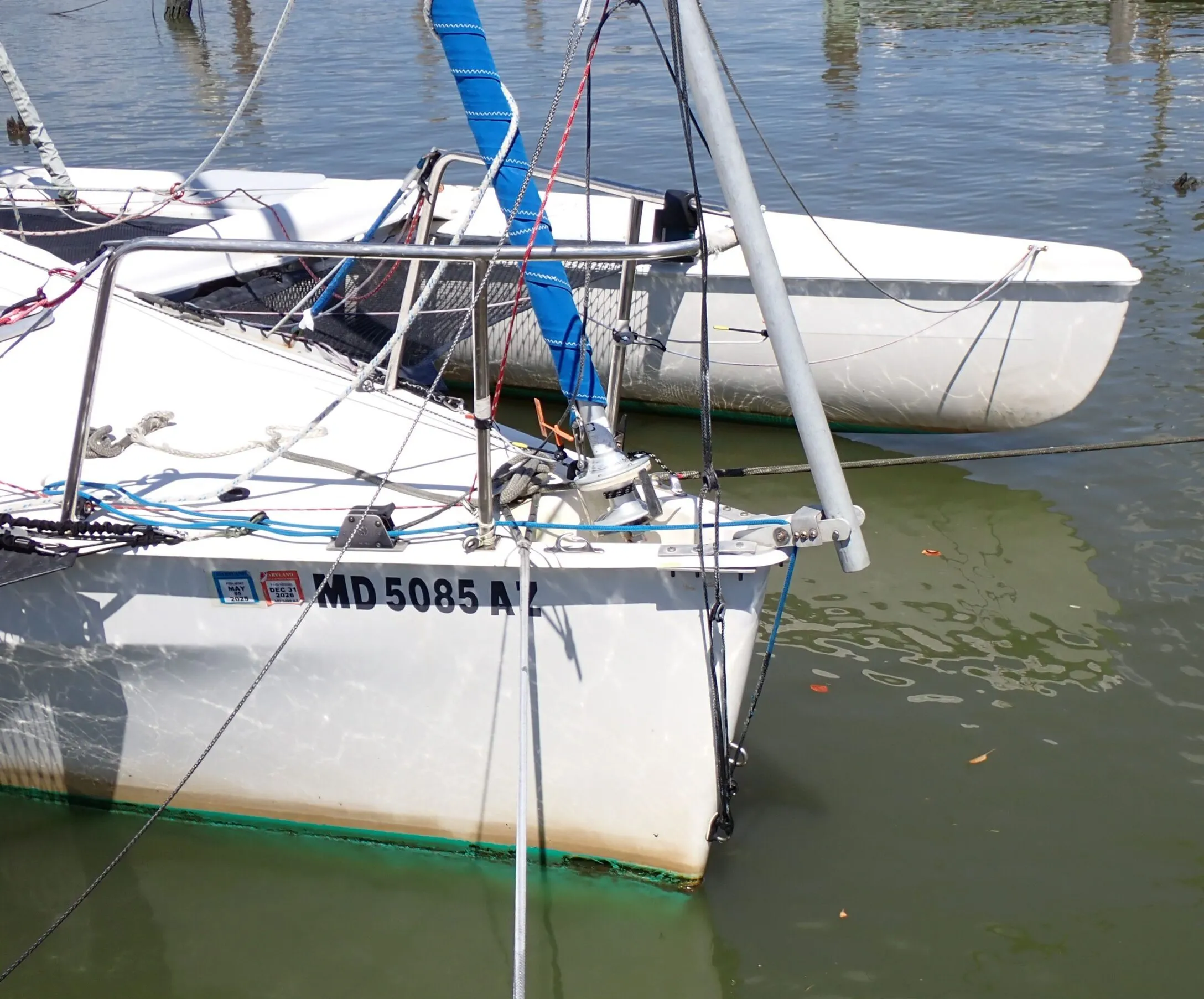
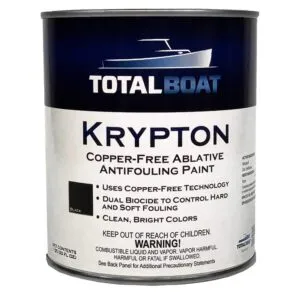
Two thumbs up for Jamestown Distributors, Total Boat Krypton. A copper-free paint that delivers. $235 per gallon, available in black, white, blue, red and green.




I applied this paint to the bottom of my 32 foot sailboat in mid-august. There is the appearance of substantial soft growth in early October. The boat is kept on Ash Creek in the Black Rock section of Bridgeport which is classed as a tidal estuary.
Every location is different. Sailing frequency and speed are also factors. For example, we spent several hours sailing yesterday at over 12 knots, after which it was as bright green as the day we painted it. Before we headed out there was some slime. This boat is sailed for ~ 3-6 hours every 1-3 weeks, commonly at speeds of around 8 knots, and occasionally more.