


I’ve been a member of my yacht club going on over 35 years now and spent 16 of those years as Harbor Master. Now, as a regular member with lots of experience as well as club operational and historical knowledge, I’m sharing the aspects of that role that were frustrating so sailors can prevent these most common mistakes. Both in an effort to prepare future Harbor Masters, as well as to help sailors have a more rewarding experience attending to the details of taking care of their sailboat.
For context, my club is a collaborative club. Meaning every member must participate in club related maintenance and repairs. Be it in the harbor, grounds or club house. Except for a bartender, we have no employees. Normally, for a total of four days per year, members are mandated to attend and participate in these “work party” days. The tasks range from seasonal opening and closing of the harbor and club house, to two half days per season to trim bushes and branches, painting, minor repairs and upkeep—happily most members do honor their commitment. This is rewarding for all involved.
As Harbor Master, the work and preparations take up much more time. They must plan what needs to be maintained, as well as repair and order any required material, which must be delivered on time for successful work party days.
Of course, when some members consistently do not show up and honor their membership commitment, or seem to always have an excuse for their absence or non-participation, that is a disappointment.
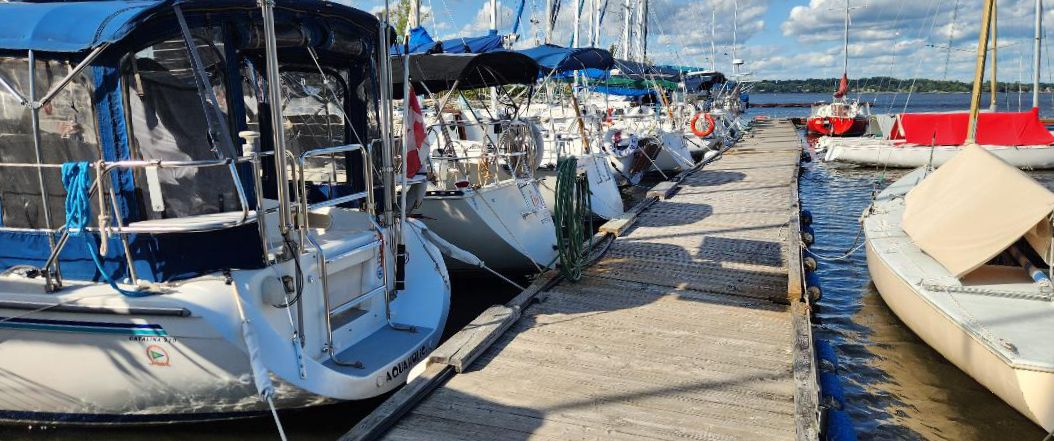
So, I thought I’d share what are the most rewarding and most frustrating things a Harbor Master has to deal with. As boat owners, regardless of the type of yacht club or marina you belong too, being aware of these may help keep your relationship with your Harbor Master and crew happy and, in return, they may have the desire to make you happy as well.
Most Frustrating
1. Not Being Ready On Time
You’ve set up a specific date and time to have your boat hauled out for maintenance such as cleaning and reapplying anti-fouling—or any other reason. But on the day and time, you show up late, or are unprepared, or you don’t show up at all. Now the Harbor Master and their crew have to wait around when, had they known ahead of time you would not be ready, they could have scheduled another boat or other work.
2. Not Keeping Things Shipshape
They say a messy desk is the sign of a busy mind. Perhaps this is true, but not so when it comes to all the common areas at your marina or yacht club. Nothing frustrates a Harbor Master and their crew more that seeing messy docks where boats owners leave things laying around in an untidy manner.
Water hoses, power cables, old fenders and lines, left over material from a job completed weeks or even months ago, etc. Not only are they an eye sore, but can also be a tripping hazard. So, a safety issue for sure. In my case, after a few reminders, I started to pick up these items—getting rid of them if they are useless—or adding them to the marina equipment inventory. It did not take long for members to pick up and keep their hoses and cable coiled neatly and out of the way.
3. Lines and Fenders
It is amazing how many boat owners will spend lots on their boats, but keep old, often undersized fenders, visibly worn mooring lines, etc. I still see this today, despite requesting members get the right number and size fenders, or requesting they update their worn-out mooring lines.
A few years ago, I told a member his lines were too small in size for his boat and were worn-out. He failed to change them and later that same season, during a moderate storm, his aft starboard mooring line broke in half causing his boat to repeatedly hit the boat on his port side, causing well over $15,000 in damages to both boats, not to mention a strained relationship between these two boat owners. Replacing the lines would have cost less than $100 dollars and 30 minutes of his time.
4. Right Lines, Wrong Cleat Hitch Knot
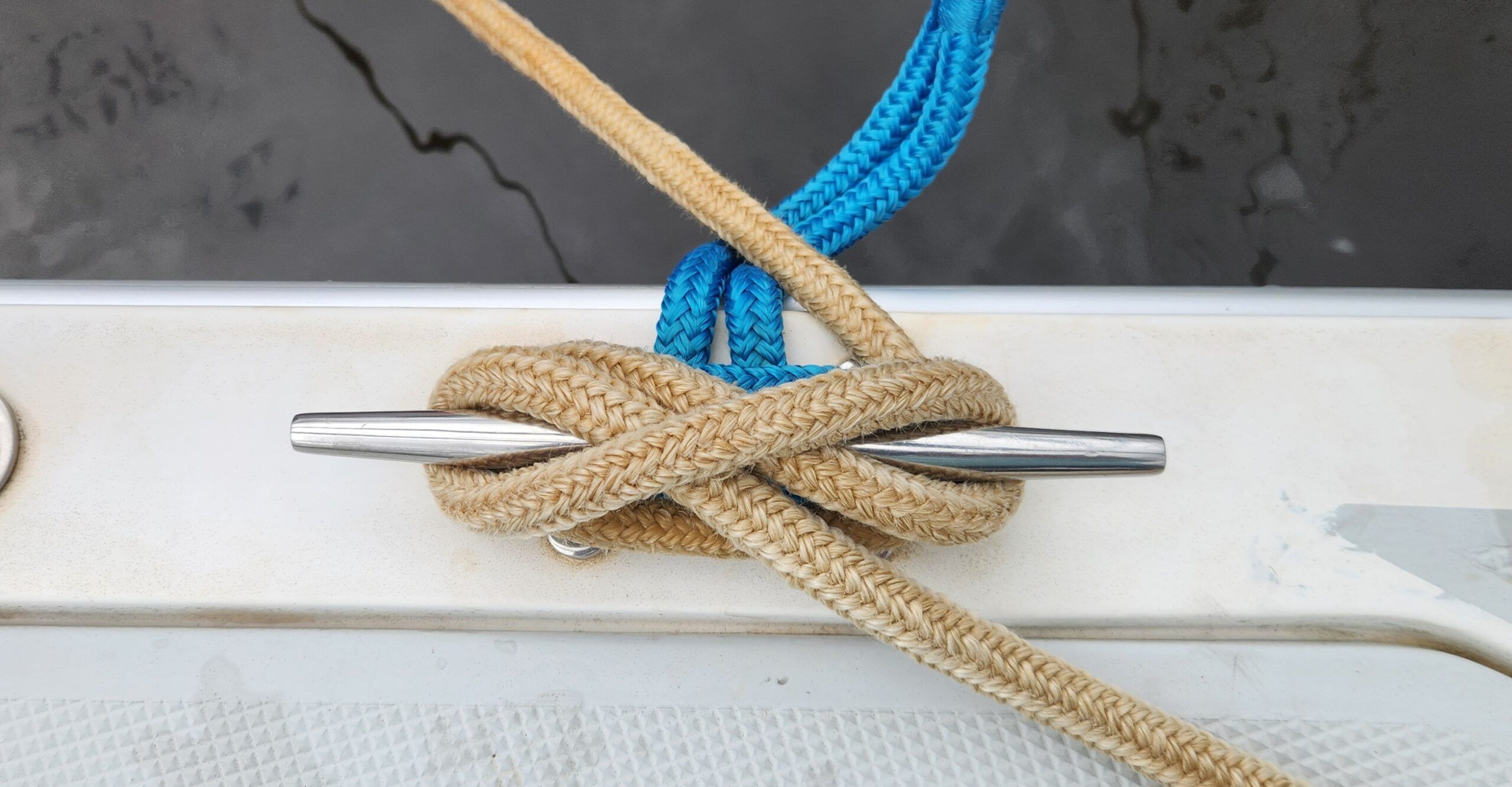
This is such a pet peeve that I wrote “How To Cleat Your Lines—Properly.” To my surprise Practical Sailor readers still comment and share their own take and experiences on this subject. Clearly, I am not the only one that notices how many sailors and crew cannot or do not take the time to make proper and secure cleat hitch knots. After all, their prized and beloved ship is as risk.
5. Staying on Schedule
Anywhere in the world where winter is actually cold, snowy and icy, Harbor Masters get busy months ahead planning and orchestrating the haul-outs for all their members. This involves more that just making a list. It requires careful planning of strategic cradle placement on land, with the intended plans for next spring for each boat. Are they going in next spring or not? If so, will, there be any delays? Will repairs will be required on land, prior to launching, etc.? They also need to schedule and book the crew, prep the crane, etc.
So, when members call only a few days before their haul-out or launch date, to say they cannot be there, this can and will snowball into a problem as it will most likely require scrambling to move cradles around once more to ensure proper access to the boats that will be going in.
6. Speaking of Cradles
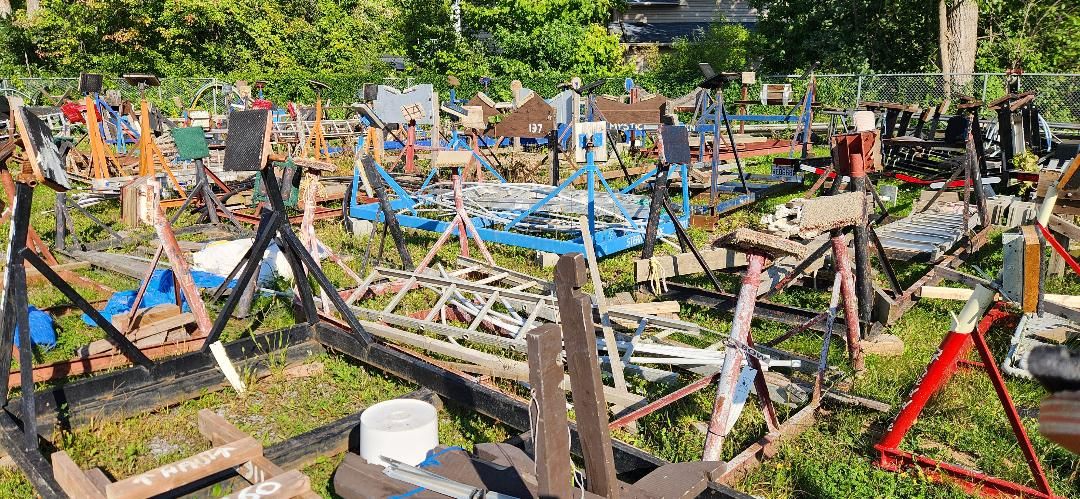
One sure way to cause the Harbor Master and their crew to express some choice adjectives, is unmarked cradles. No name or identifier, no indication for the bow or stern, missing or broken pads, etc. And, of course, all this on the day the boat is coming out. Yet the boat owner had the entire sailing season to do so. You want your Harbor Master happy? Keep your cradle or chandeliers in good shape and clearly marked. See “Summer Cradle Care.”
7. Temporary Amnesia
It still astonishes me every year how many boat owners forget how things on their boat work and what needs to be done to either prepare for spring or winter. Years ago, I made a checklist of what needs to be done every spring and fall. I also wrote an article on the subject, see “Winterizing: Make It Easy With Checklists,” which has a link to the winterizing checklist. I invite readers to contact me if they want me to send them my spring checklist, see also “Spring Season Engine Start-Up for Winterized Engines.” Both checklists can be used as a starting point and then adjust or modify according to your reality and particular needs.
8. Where Do the Slings Go?
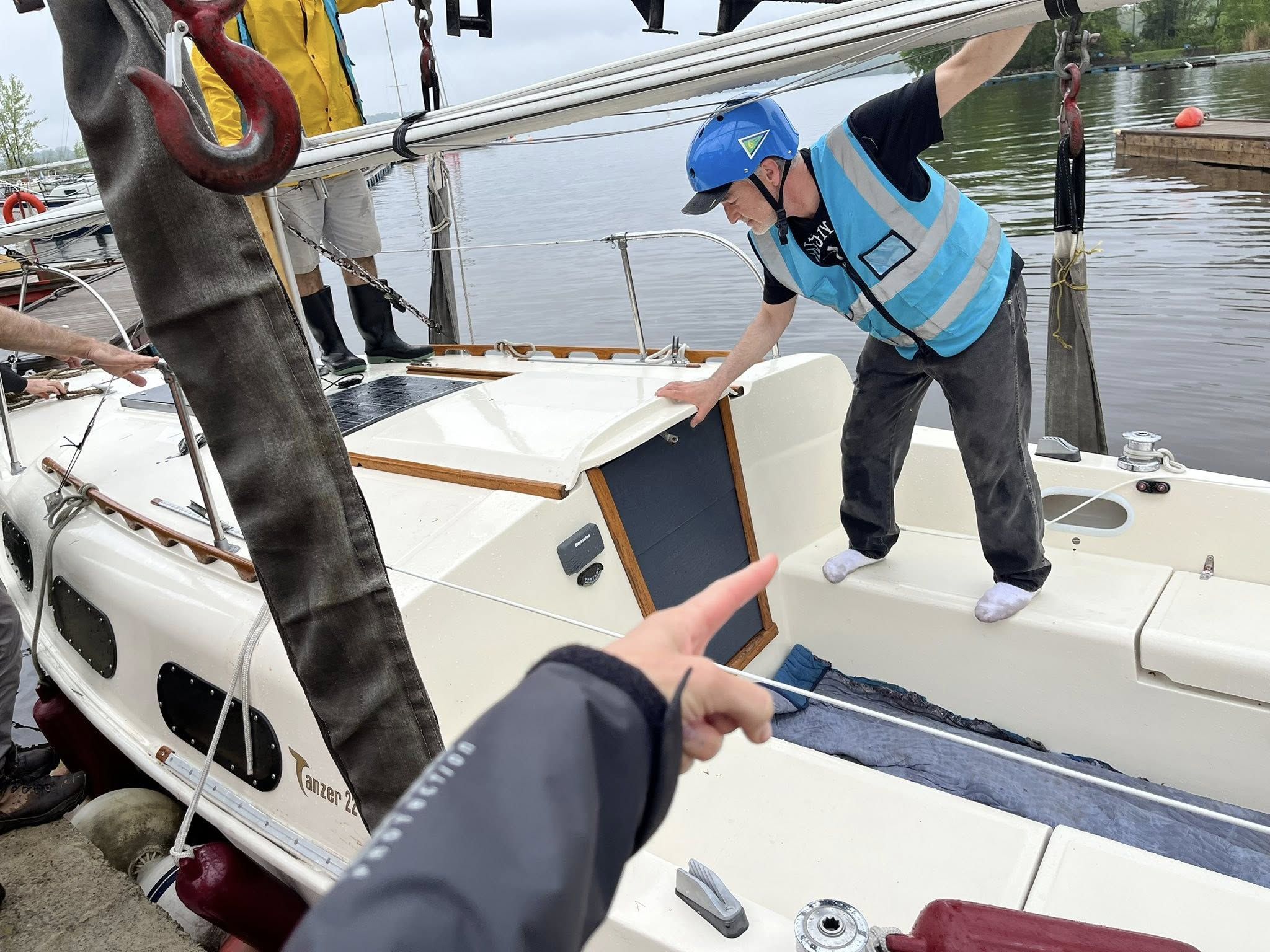
Another thing many boat owners forget is where the slings go when hauling their boat out. While on the cradle, locating where the slings go is pretty straight forward—you can easily avoid the pads, prop shaft, through-hull fittings and any other items located under the water line. Not so however when the boat is in the water. We’ve often wasted time lifting and lowering boats until the slings were in the right place.
I had yellow vinyl stickers made and given to members to mark the proper sling location on their gunwales. Now I keep a picture of each boat on slings readily available on my phone. All boat owners should have such a picture on hand in addition to visible sling location markers on both sides of the boat.
The Most Rewarding Part
Well, that’s simple! When boat owners recognize themselves in any of the aforementioned pain points and act accordingly, that is rewarding as well as very appreciated. Of course, a shot of rum once in a while is also appreciated and can help smooth out some if these frustrations.







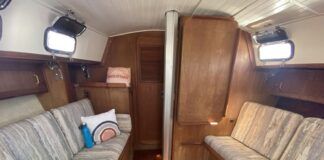
How do you feel about asking workmen, volunteers, and even guests to only wear socks when coming aboard? I ask because of the last photo, because I have heard good contractors complain about the slip and fall risk, and because I find walking on boat decks at boat shows a bit risky, and I’m more agile than most. It certainly would not fly in most workplaces.
A good walk off mat. Put down runners for some work. Avoid shoes that trap gravel. You can hear the tick-tick-tick of stones trapped in the sole when you walk on a sidewalk–get rid of those shoes.
As a yacht club, I would wonder over the liability of asking people to do something slightly unsafe. The minuscule wear and tear isn’t that more important than safety. Bare feet are one thing, but socks on a waxed deck are a hog on ice.
—-
Different topic. Do yacht clubs typically require any inspection, formal (someone with some qualifications) or informal, of private cradles for soundness? I’m at a commercial marina, so the stands are all theirs; no private cradles. I never asked about their procedure, but I do know they scrap some out every season (big marina–they have about 10,000 stands, no exaggeration, based on the number of boats they store).
Hi Drew, about boarding boats, I prefer boating shoes. But that is 100% the boat owner’s call.
As for cradle inspections, no there is not requirement other than visual inspection by the owner or yard crew. Looking for cracks, big or deep rust spots and/or perforations and damaged areas that can compromise the integrity of the cradle or stands from performing well.
As a retired API tank inspector (the 1,000- to million-plus- gallon tanks that hold gasoline and oil) I’m accustomed to established guidance. I’ve seen tanks fail some time after inspection, due to issues that wee identified during inspections some years before. For example, ultrasonic thickness testing, measurement of pitting, and documented original thickness and minimum thickness is all part of it.
About two weeks ago a finger dock collapsed at my marina when an older gentleman disembarked his boat. The steel fastenings under the dock had corroded to nothingness. There was no ladder on the dock and no ladder on the boat (a serious but common deficiency), but the water was shallow enough that he could struggle through the mud to shore. He was bruised but nothing was broken. I had to get out to the boat to retrieve some possessions, since the boat could no longer be reached. Dock structure is one more yacht club concern.
Yeah, you have your hands full.
The harbormaster and crew are not paid? How highly trained are they?