


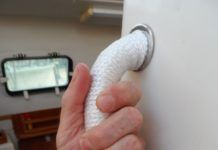
A Better Hand Grip
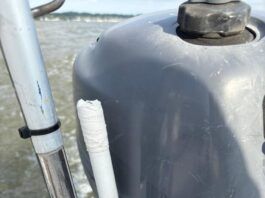
Most boat railings are a spindly -inch or 1-inch diameter polished stainless. The Occupational Safety and Health Administration, on the other hand, requires hand rails be 1 -inch diameter. The average baseball bat, hockey stick or hammer is about 1 -inch, often fattened with tape beyond that. Why would we accept anything less secure on a wet and wildly pitching deck?

Coast Guard Warns of Radio Interference from LEDs
In response to ship reports of radio interference from LED lights, the U.S. Coast Guard has issued a step-by-step guide to checking for interference on VHF frequencies used for radiotelephone, digital selective calling (DSC) and automatic identification systems (AIS). Because mariners use these frequencies for communication and tracking of nearby vessels, interference can create a safety hazard. Practical Sailor has been warning sailors about problems with LED lights for several years, and has tested several LED navigation lights for VHF interference.
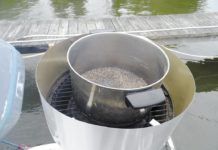
Marine Fuel Vent Filter Maintenance
We wished the silica gel drying filters used in marine fuel tank vents could be as maintenance-free as the carbon canister on your car, but our simple DIY filters (as well as those made by various manufacturers) don't have programmed regeneration cycles like the automotive carbon canisters. The makers of silica gel fuel filters say the silica gel resin should be replaced annually, but Practical Sailor testers have found that three years is about right for diesel and five years for E-10 gasoline.

Celestial Navigation and Weather Classes on Tap
If youre headed to the U.S. Sailboat Show in Annapolis October 4-8, we encourage you to stick around a few days to pick up some wisdom from Practical Sailors Technical Editor Ralph Naranjo. Ralph will be teaching a couple of his signature courses at the Annapolis School of Seamanship in downtown Annapolis during the days shortly after the show.

The Norwegian Approach to Teak Deck Care
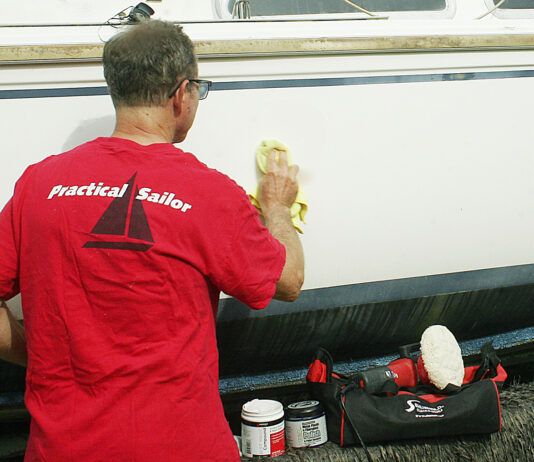
Old teak decks can be a deal breaker for the used boat buyer. Unless the previous owner(s) have taken a white-glove approach to deck maintenance, about 30 years of use is all you can hope for in a modern 12-millimeter-thick teak deck. The wood's biggest foe is the scrub brush, which can chew through the soft grain and shave years off the decks life. So if you are looking at an old Taiwanese-built cruiser from the 1970s with a deeply grooved old teak deck, give it a close inspection, especially the subdeck; you might be biting off more than you can chew. Even if the core sub-deck is still good, re-caulking and refastening an existing deck is a time-consuming project.
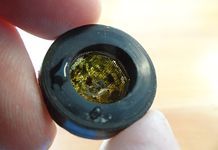
Decontaminating a Tainted Water Tank
Those of you who missed Practical Sailor's report on how a weak winterizing solution can create a Sandals Beach Resort for waterborne bacteria may be noticing a pungent odor coming from your galley tap. Regardless of the cause of your onboard water woes, our favorite chemist-sailor Drew Frye offers a series of simple steps to decontaminate that tainted water tank.

A One-sided Defense of the Cruising Ketch
This week I had the opportunity to poke around a ketch-rigged Pearson 424 that was for sale in the neighborhood and I was reminded of the many advantages of the ketch design. The Pearson 424 is an example of several decades-old designs that were offered in a variety of rigs, giving owners an opportunity to compare the sail plans.
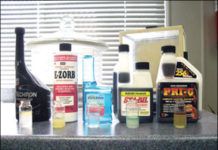
Fuel Additives: Snake Oil or Good Science?
When it comes to comparing the fuel treatment products on the market-whether its for gasoline or diesel- consumers are effectively left in the dark. Our own testing with both gasoline and diesel treatments indicate that limited use of the most popular brand name products will not cause any harm, but how much good the additives actually do is tougher to measure.
Rethinking Anchor Shank Strength
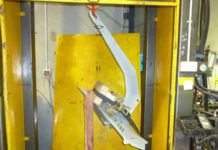
One topic often overlooked in any anchor discussion is shaft strength. Yet, as anyone who has spent any time around boats knows, bent anchor shafts are hardly rare. Sure, sometimes the anchor gets wedged into a crevice where bending might be excused, but were hearing about more and more anchors bending under what would be considered normal use.In the upcoming April issue of Practical Sailor, contributor Jonathan Neeves explores this topic in great detail. In his view, the reasons behind bent shafts are many.

Iron Versus Lead in Keels
Iron tends to retain its general shape and size as it rusts, however, it decays from within. A piece of iron that appears sound may crumble if tapped with a hammer. This type of decay is called graphitization because when it occurs, all that remains after the rusting is complete is graphite residue.
Latest Logbook

Practical Sailor Logbook – September 2026
In September we tour the Hans Christian 48T — the offshore cruiser many sailors call the holy grail — walk the custom Antigua 60...

Video: The BEST Sailboat You Can Buy for $35,000 – Catalina...
If you’re searching for a mid-30-foot sailboat, affordable cruising sailboat, liveaboard sailboat, first sailboat, or a capable used sailboat for coastal cruising, the Catalina...



Latest Sailboat Reviews
Cal 2-27 Used Boat Review
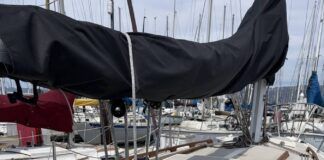
Our story begins in 1970, with the introduction of the Cal 29. Looking for something similar but a bit smaller, the company asked designer Bill Lapworth for a 27-footer, which at first was the Cal 27, a fin keel, spade rudder design with a convertible pop top; another incarnation of this basic hull was the T/2. But the concept of the 29 found its full expression in the Cal 2-27, which began production in 1975 and continued to 1977, after which it was again modified and called simply the Cal 27...again. Production of it ceased in 1986.