


Five Best Gasoline and Diesel Transfer Tools
Caution. Do NOT use hoses or funnels that are not rated for gasoline to transfer gasoline. In addition to potential material compatibility problems, they...
Quick and Safe Sail Cleaning
It can be a rust stain caused by a loop of chain that spent the winter lying on a sail. Perhaps a bird crawled under the sail cover and built a nest, pooping on the sail for weeks. Laminate sails present a particularly vexing problems, since mildew likes the adhesive that bond the layers, resulting in stain that is sealed between waterproof layers. Some of these just look bad (rust stains), but others can slowly weaken a sail (mildew in the laminate adhesive). But in all cases, overly aggressive cleaning can make things even worse, weakening the sail more than the mildew ever would.
How to Repair a Water-Damaged Teak and Holly Sole
A sailing buddy came to me looking for advice. He had inadvertently left a portlight open and a combination of rain and snow had...
Corrosion Inhibitors
The waxy films of CorrosionX MaxWax and CRC HD Corrosion Inhibitor win hands-down for long-term protection. WD-40 can still serve as a cheap, short-term shield.
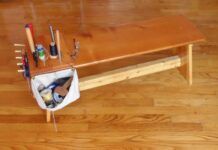
Five Best Homemade Sail Repair and Splicing Tools
I doubt there is a sailmaker out there who doesn’t have a few shop-built tools in daily use. Here are five of my favorites:...
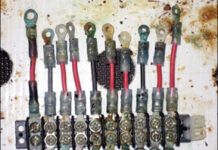
Marine Wiring: Are the Pricey Options Worth the Cost?
This article launches Practical Sailors long-term test of electrical wires, electrical connections, and corrosion inhibitors for electrical applications onboard sailboats. Ultimately, the goal of this ongoing project is to examine corrosion in wires and connectors in a marine environment. More concisely, it could be presented as a closer look at three common elements in marine wiring to answer some basic questions: What is the best wire to use on a sailboat? Is it tinned wire, automotive wire, or stranded machine tool wire? What are the best corrosion preventatives? Do you apply the anti-corrosion treatment to every connection and every crimp, or just certain types of connections? What are the longest-lasting connections? Which were most prone to electrolysis? We made observations during the six-month test period without disturbing the samples. At the end of the full one-year test period, we will unbolt all of the fittings from the terminal strips and look for corrosion under the fittings.

The Get-Home Sailboat Tool Kit
The tools and materials required to maintain and repair everything on a boat will barely fit in a room. Just the kit required to maintain vital systems will raise the waterline of a large boat and is impractical in a smaller boat. Fortunately, when day sailing and even cruising locally, all we really need to do is get back to the dock...any dock.

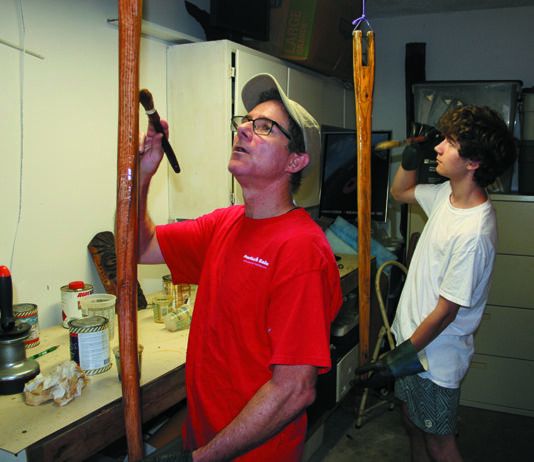
Six Best Homemade Boat Maintenance Tools
OSHA has a thing against homemade tools. While a shortened extension on a paint roller won’t give them heartburn, modified power tools and attachments...
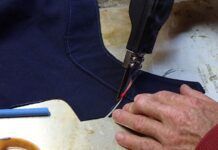
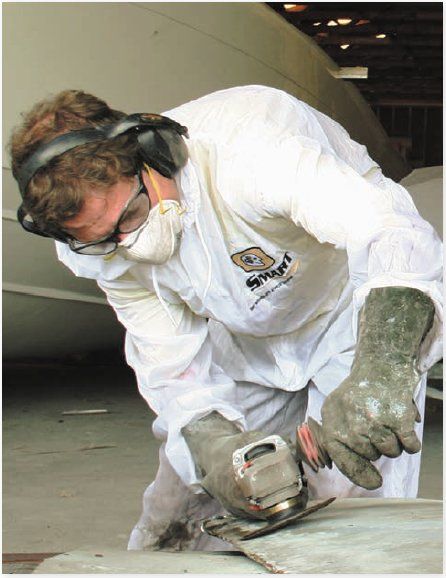
Five Best Specialty Tools
In fact our list is much, much longer than this, so we picked five specialty tools that we thought would help most sailors for...

Bottom Paint Care
Modern anti-fouling paints promise a hull free of marine growth for one to several seasons. But in nutrient-rich water and as the paint becomes expended, barnacles and green stuff take hold, slowing us down, increasing fuel consumption under power, and degrading handling.

Bahamas for $5000? The Watkins 27 foot Sailboat
Is the Watkins 27 the ultimate small cruising sailboat? In this video, we take a deep dive into the Watkins 27 — a classic...



Latest Sailboat Review

Tartan 30: An Affordable Classic
The early 1970s was the heyday of the Tartan 30' racer/cruiser. In all, no less than two dozen boats of a similar size and type were introduced in just three years, many of them to become highly successful among sailors eager for the performance and amenities of big boats at a modest price. Among the most noteworthy and enduring of the 30-footers from this era has been the Tartan 30.