




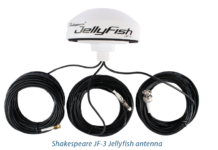
The 3-in-1 Antenna
With all the must-have, electronic doodads most cruising sailors desire these days-from VHF radios to AIS transceivers-finding places onboard to mount all of the required antennas can prove to be Mission Impossible. However, a new multi-band antenna from South Carolina-based Shakespeare Marine aims to make the challenge easier.
In the Perfect Position to Fail
For centuries, navigators have been coping with two key variables that convey major consequence. The first is the quest for an accurate position fix, and the second is the hope that the chart theyre using is an accurate representation of their surroundings. Up until a couple of decades ago, cartographers were winning out and chart accuracy trumped sextant-derived fix accuracy. The tide has turned.

USCG Now Allows Digital Instead of Print Charts
Heralding in a new era for electronic navigation, the U.S. Coast Guard recently published guidance that allows mariners to satisfy chart-carriage requirements using electronic charts and electronic publications instead of paper ones.

Long-term Test Gear Updates
Many of Practical Sailors tests move from the lab (workshop/garage/driveway) to our fleet of test boats, where we can evaluate the top products in real-world conditions over the long haul. These long-term tests can last from two to 10 years, and we try to offer occasional updates on their status, when its warranted.
Sonar that Sees Whats Ahead
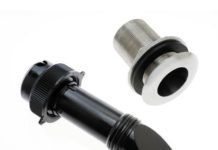
Most depthfinders are historical instruments. They collect and display information from the recent past-not the best arrangement for the sailor. By the time the sounder indicates a shoal, its already beneath you. But this is changing rapidly.

Signal K and the Sailboat
For nearly 50 years, our boats electronics systems have operated according to standards developed through the National Marine Electronics Association (NMEA). Today, our onboard electronics communicate using either the older NMEA 0183 or the current NMEA 2000 data-the digital language that our marine devices speak. Sadly, this is not the same language that our personal electronics or the wireless Internet speaks-leaving the door effectively closed to app developers who might want to create new apps based on that data.
Simrads Halo Radar
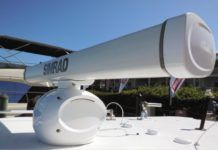
Simrads Halo radar, an array radar system aimed at larger boats, exemplifies the rapid technological changes going on in marine electronics. Like CHIRP sonar, the sophisticated fish-finding technology that was once found only on research ships and is now available to everyone at West Marine, the Halo radar is redefining the level of technology that is within reach of the average cruising sailors budget.

Editors Tap Top Sailing Gear of the Year
Each fall, Practical Sailor editors sort through the best test products of the past year to pick those deserving of a spot on our PS Editors Choice roster. To be named to the list, products must earn the Best Choice rating among their respective peers and clearly stand out above others in their field.

The Best of Bottom Paints
Our Editors Choice roster would not be complete without the top performers in our semiannual bottom paints tests (PS October 2014 and April 2015). The most recent test looked at 55 different paints from Blue Water Paints, Interlux, Epaint, Pettit, and Sea Hawk. This years hard paint standouts were Interluxs Micron Extra with Biolux and West Marines Bottomshield. Made by Pettit, the West Marine-branded PCA Gold was the top ablative paint. Micron Extra and PCA Gold tied for best performance of the bunch.

VHFs, SSBs, and Reading the Weather
In the April 2015 issue, Practical Sailor evaluated four handheld VHF radios loaded with all the bells and whistles, including longer battery life, positive flotation, internal GPS, and digital selective calling (DSC) capabilities. Out performing VHFs from Icom, West Marine, and its own product line was the Standard Horizon HX870, which grabbed a spot on our Editors Choice list.

Lithium Batteries on Sailboats: The 3 Mistakes Everyone Makes
Lithium batteries are one of the most popular sailboat upgrades today—but they’re also one of the most misunderstood. In this Practical Sailor Saturday episode,...



Latest Sailboat Review
Island Packet Estero Used Boat Review
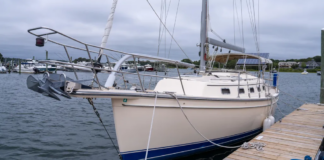
Florida-based Island Packet targets a relatively narrow niche, so the toughest competitors to its new boats are often older Island Packets. Introduced in 2010, the 36-foot, shoal-draft Estero is the company’s latest attempt to introduce a distinctive model that doesn’t stray too far from the company’s proven formula for success: moderate displacement, full-keel cruisers designed to be lived on, sailed far and in comfort, and endure the bumps, scrapes, and storms that cruising boats inevitably encounter. After sailing the Estero on Florida’s Sarasota Bay and inspecting its interior, construction, and systems, Practical Sailor testers noted that the shoal-water cruiser will appeal strongest to Island Packet fans who’ve been waiting for a shoal-draft, easy-to-sail boat that compares to the IP37 in terms of interior space. These strengths will be most apparent on intracoastal or riverine adventures like the Great Loop.