

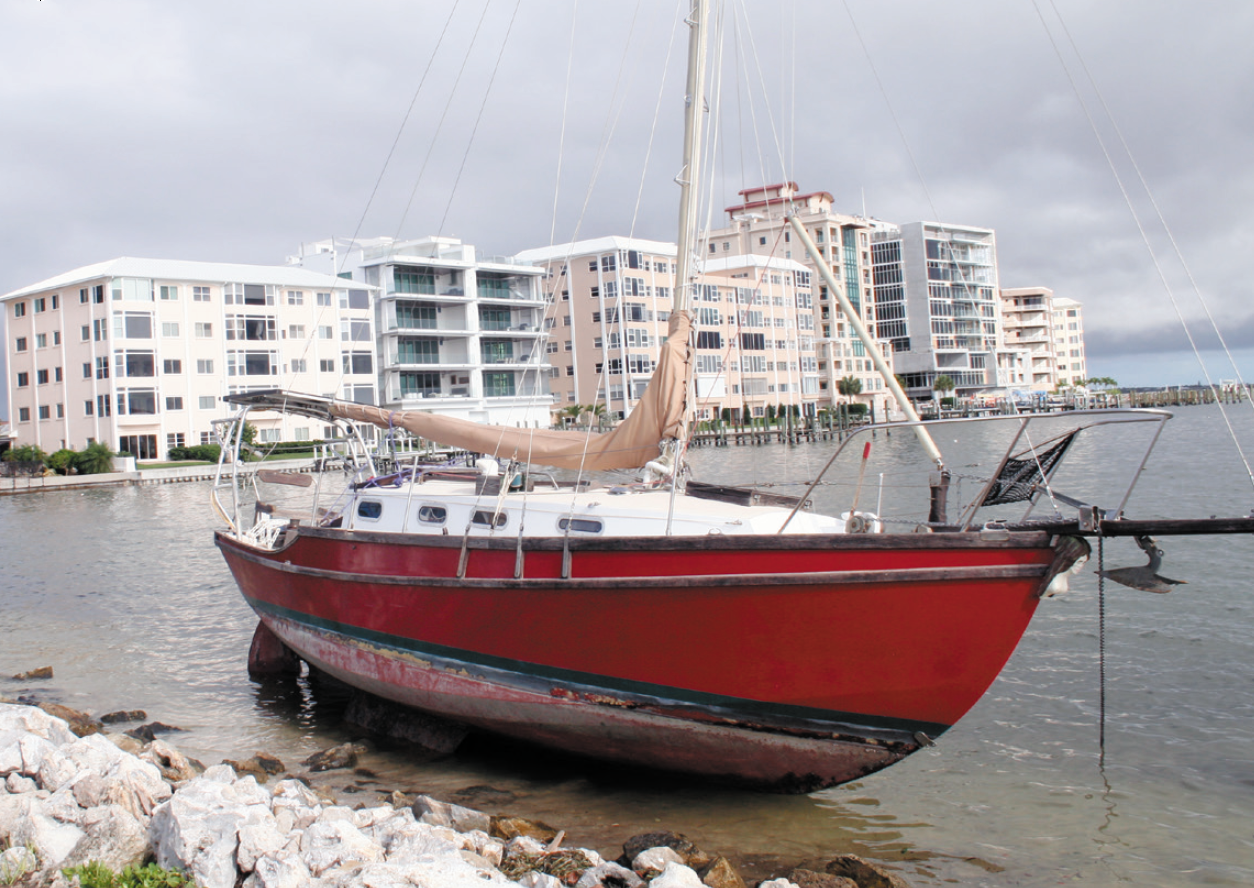
Anchor Testing and Rode Loads
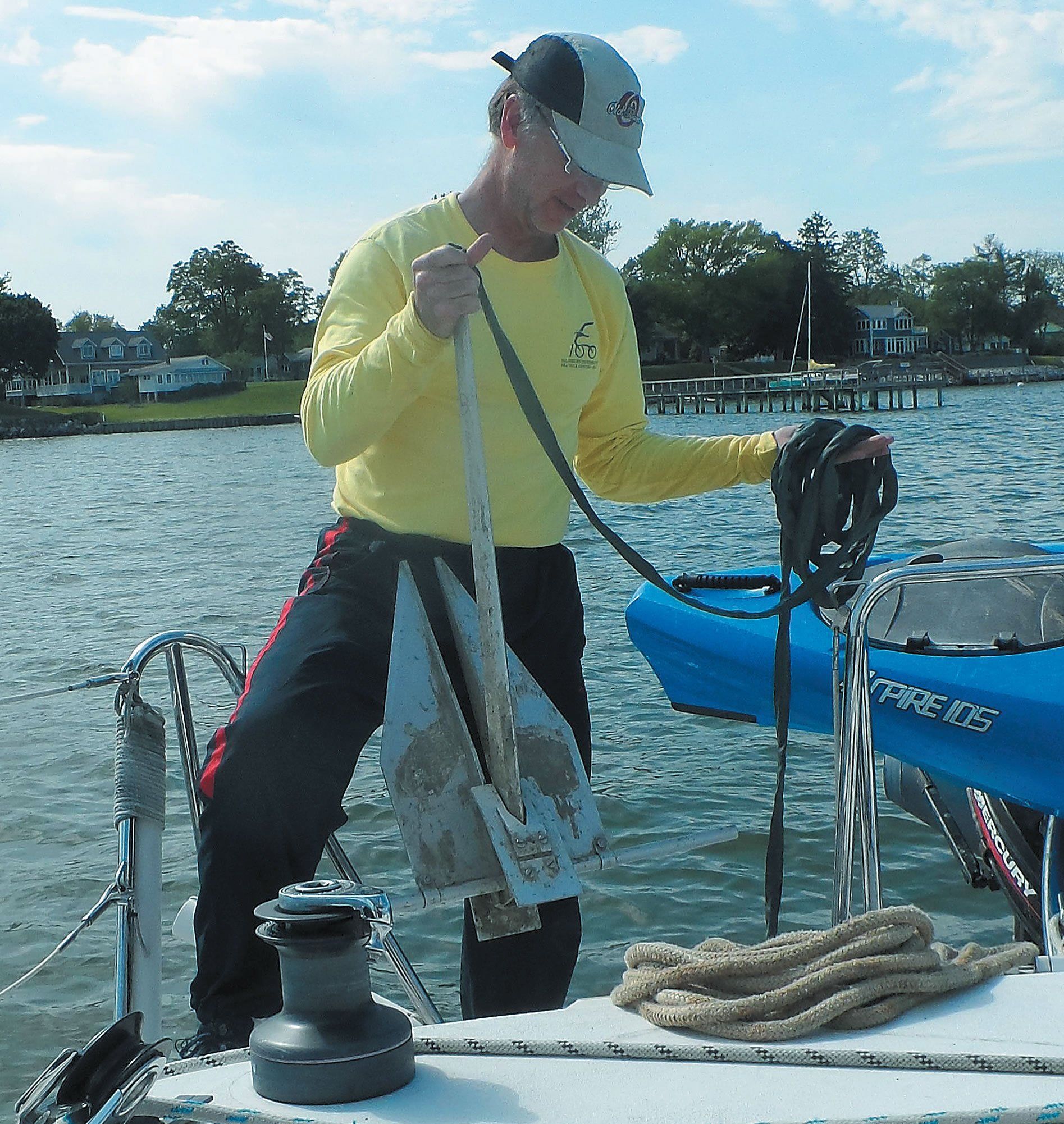
Many published anchor tests focus on holding capacity, and most conclude that newer, concave fluke-design anchors such as the Spade, Rocna, and Manson anchors perform better than older, traditional anchors such as the plow-design CQR, claw anchors like the Bruce, and Danforth-style anchors such as the Fortress. But how useful is this data? Rather than just testing anchors to specific, fixed loads, PSs recent evaluation raises questions about the various wind-induced loads placed on anchors in real-life situations and how future anchor tests should be carried out.
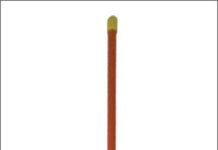
Whats a Deluxe Pickup Stick?
Overheard aboard a bareboat charter at the Bitter End on Tortola, British Virgin Islands, at sunset circa 1978: "I wish George would hurry up and whack all those big orange balls out of the way, so we can anchor." There are still many places where snagging a mooring requires someone who knows the business end of a boat hook, but in most of New Englands municipal harbors, the ubiquitous mast buoy has made the chore infinitely easier. These "pickup sticks" are now standard in the region (much to the chagrin of area divorce lawyers). If you are tasked with maintaining your own mooring-and you don't yet have a good pickup stick-we can recommend a replacement: a "deluxe" mooring buoy from Island Mooring Supplies. Now, before the idea of a deluxe pickup stick starts you choking with laughter, please bear with us.

Special Section – AnchoringIn Mud, the CQR and Barnacle Rank at the Top of...
For holding power, the Barnacle is a big surprise.
The Bruce Anchor Sets Best
A goodly portion of the best years of every sailor’s life has been spent reading reports on, opinions regarding, claims for, studies of and...
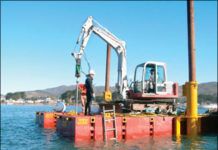
Mooring Anchors for Sensitive Seabeds
Mooring anchors fall into two general categories: those that rely on sheer weight and mass to provide holding and the embedment types that penetrate the sea floor. There are also some hybrids that rely mostly on their weight, but also embed themselves in the sea floor over time. BoatUS projects and municipal tests on Sarasota Bay, Fla., support helical screws as the best option when it comes to choosing mooring tackle, particularly in sensitive areas. Practical Sailors evaluation of mooring anchor types includes the Helix screw, Manta Ray, Dor-Mor, Mushroom, and concrete blocks.
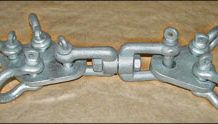
Solution for Foul-Weather Anchoring
In our July 2005 issue, we reviewed an innovative Mooring Bridle Plate from Colligo Engineering and Design, a company located in Mesa, Ariz. Now the folks at Colligo Marine have come up with a new product, one designed to help boaters lay out their storm anchoring system when prepping for the big blow. The Hurricane Anchor System provides an easy, secure method of attaching three anchors to your vessel, utilizing two or three mooring bridles (depending on whether you purchase the mono- or multihull model) while reducing the possibility of rode fouling by allowing the boat to swivel at anchor.
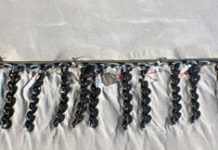
Armorgalv vs. Hot-Dipped
As part of our investigation into anchor chain and its attachments (see PS January 2015 and June 2014 online), we examined new galvanizing processes. Steel products that have clearly undergone an unconventional galvanizing process are making their way into the recreational marine market, but because these methods are proprietary, getting specifics about them is difficult. Industry insiders tell us that the galvanizing process is evolving-but few details are made public.
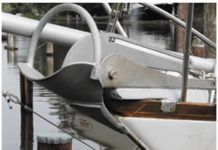
Managing the Manson as a Working Anchor
During the initial swap, I couldnt help but notice how much more fluke area the Manson provided compared to the CQR. And the claw-like geometry seemed to more efficiently grab the bottom when compared with the CQRs plow shape. These assumptions were supported during initial anchoring efforts. The Manson grabbed hold of the bottom with very little scope deployed; breakout took a more concerted effort; and the amount of sand, and mud and other detritus retrieved from familiar anchorages was much greater than what the CQR hauled to the surface. The value of a pressure wash-down pump rose considerably.
How To Help Your Boat Survive A Major Storm
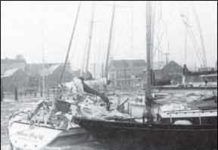
Hurricane Gloria was a most impolite lady. She barreled up the Atlantic coast, scaring the heck out of people from Florida to Massachusetts. Despite the fact that the storm didn’t live up to its billing, hundreds of boats in New York, Connecticut, Rhode Island, and Massachusetts were destroyed or severely damaged. In some cases, the boats were lost through no fault of the owner. No amount of preparation will save your boat if another boat drags down on it in the middle of a hurricane. In other cases, however, lack of proper preparation was a major cause of a damaged boat. There’s no excuse for that type of loss.
Moorings Soft Side
Every decade or so, local sailing clubs go through a re-evaluation of their mooring fields, looking for ways to improve or upgrade equipment without straining their budget. Island Mooring Supplies, the same Rhode Island-based company that introduced the splinter-free Deluxe Pickup Stick we featured in the April 2010 issue, has developed a new, soft mooring buoy designed to put an end to the annoying hull-knocking of conventional mooring buoys.
How Long Do Sails Last?
How long do sails actually last? Sailmakers often say cruising sails last around 10–15 years, but what happens when you discover a sail that’s...


Latest Sailboat Review
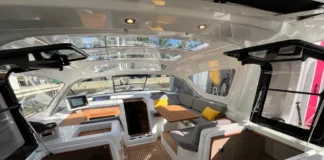
Jeanneau 55 Boat Review
This recent sailboat from Jeanneau may as well be a spaceship. They’ve taken all the time-honored designs of a monohull aft cockpit and turned...