

Alternator Overheat: A Surprising Solution for Older Boats
Over the years, and with two different small diesels working in the tight quarters of the engine compartment of our 1978 Islander Bahama 30,...
Unblock Seawater Intake: Dinghy Pump Hose Hack
It was another spectacular summer day as we released the dock lines and once again escaped life ashore, the trusty diesel humming beneath our...

Offshore Log: Thoughts on Engine Spares For Cruising
Emptying out the spares inventory for Calypso's Perkins diesel was an eye-opener—there were plenty of parts back-ups, and, in Nick's view, all for the best of reasons.
Engine Replacement on Islander Bahama 30
There may come a time when repowering your cherished sailboat needs to be addressed. I suspected that not all 13 horses of the venerable...
Sailing Triteia: Budget Bluewater Cruising
If I were to sum up, in one word, how James Frederick has managed to create his sailing life, I’d say “resourcefully.” The 49-year-old...
Fuel Lift Pump: Easy DIY Diesel Fuel System Diagnostic and Repair
As with all things in life, everything goes well until it doesn’t. It is an inevitable truth that something will go wrong eventually and...
How to Change Your Engine Mounts
It is always discomforting when you know, and actually feel, that something is not quite right. For a little while now, while navigating under...
How to Do an Engine Compression Test
An engine compression test is an important diagnostic test that any boat owner can do with equipment that costs about $50. You can also...
Diesel Performance Additives
We think of ourselves as sailors, but we all depend on reliable power to propel us in and out of harbor, through calms and...
What Oil Analysis Reveals About Your Engine
We've all heard that if you give a diesel good clean fuel, keep it cool, and stay on top of the oil changes, its...
Latest Logbook

Practical Sailor Logbook – September 2026
In September we tour the Hans Christian 48T — the offshore cruiser many sailors call the holy grail — walk the custom Antigua 60...

Video: The BEST Sailboat You Can Buy for $35,000 – Catalina...
If you’re searching for a mid-30-foot sailboat, affordable cruising sailboat, liveaboard sailboat, first sailboat, or a capable used sailboat for coastal cruising, the Catalina...



Latest Sailboat Reviews
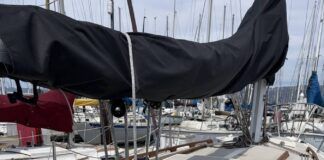
Cal 2-27 Used Boat Review
Our story begins in 1970, with the introduction of the Cal 29. Looking for something similar but a bit smaller, the company asked designer Bill Lapworth for a 27-footer, which at first was the Cal 27, a fin keel, spade rudder design with a convertible pop top; another incarnation of this basic hull was the T/2. But the concept of the 29 found its full expression in the Cal 2-27, which began production in 1975 and continued to 1977, after which it was again modified and called simply the Cal 27...again. Production of it ceased in 1986.