



Diesel Repower From Scratch: Part 1
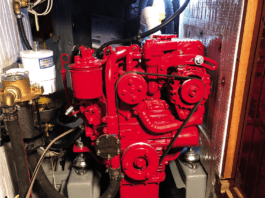
This is a three-part series detailing the installation of an inboard diesel engine into my modified Cape Dory 36 Far Reach. I rebuilt Far...
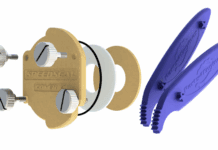
Make Impeller Changes Easy: Speedseal and Jabsco Puller
Here's a combination that will give you a decided advantage the next time you need to change a waterpump impeller. In difficult circumstances, the time saved could mean a lot.

DIY Engine Oil Tests
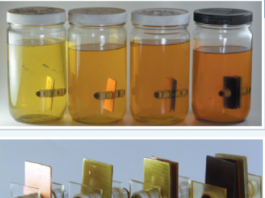
Sailors obsess over the health of their engine; it is the heart of the boat (other than the rig, sails, and through-hulls). Failure is inconvenient, expensive, and even dangerous. And sailors love their maintenance, or so it seems. Anything that promises to ease the mind for a few dollars merits investigation.
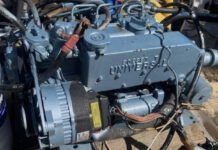
Worship Your Universal M-Series Diesel With the Marinized Kubota Block
The Universal name resonates with many of us as one of the best sailboat engines available. Despite Universal Motor Corp. no longer being in...

Prop and Shaft Check
A vessels drive train is typically defined as the components between the engine transmission coupling and the bitter end of the propeller shaft. For traditional drive trains, this includes the propeller, shaft, cutless bearing and packing gland, although the list could also be expanded to encompass ancillary items such as the rudder, engine mounts, and engine bedworks. Heres a look at two major drive train components you should know and what to look for when inspecting each. Next month well look at the components inside the boat-stuffing box, shaft, and coupler.
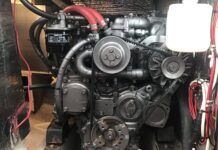
Breaking Point: What Can Go Wrong With Your Yanmar?
If you want to know more about the little Yanmar chugging away in your sailboat, it helps to learn about this iconic engine maker’s...
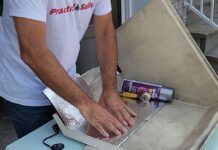
DIY Soundproofing for the Engine Compartment
As sailors, once we’ve cleared the outer markers of our club, marina or harbor, we look forward to raising our sails and we enjoy...
Rudder Mods for Low-speed Docking
Any sailor who has tried to wrestle a full-keel ketch with a barn-door rudder into a tight slip has probably wondered if they could...

Anti-Seize Coatings for Spars
If youve ever been humbled by a single impossibly stuck fastener, or plan on adding hardware to your spar, running gear, or deck, this report on anti-seize protectants is right up your alley.

Storing Diesel Fuel
When it comes to storing a gasoline powered vessel, you are generally better off keeping tanks full, adding a corrosion-inhibiting additive, and installing a...
Latest Logbook

Practical Sailor Logbook – September 2026
In September we tour the Hans Christian 48T — the offshore cruiser many sailors call the holy grail — walk the custom Antigua 60...

Video: If You See This on a Used Sailboat, Walk Away
If you’re searching the used sailboat market, comparing sailboats for sale, or learning how to inspect a sailboat before buying, these are the red...



Latest Sailboat Reviews
Cal 2-27 Used Boat Review
Our story begins in 1970, with the introduction of the Cal 29. Looking for something similar but a bit smaller, the company asked designer Bill Lapworth for a 27-footer, which at first was the Cal 27, a fin keel, spade rudder design with a convertible pop top; another incarnation of this basic hull was the T/2. But the concept of the 29 found its full expression in the Cal 2-27, which began production in 1975 and continued to 1977, after which it was again modified and called simply the Cal 27...again. Production of it ceased in 1986.