




Cure for Holding Tank Clog
Any suggestions about what to do with a clogged holding tank? Ive isolated the clog to between the base of the tank and the elbow after the toilet macerator. Ive been treating the system with straight vinegar down the pumpout tube and thru the bowl to no avail.

Controlling Jibes With Boom Brakes
After determining the correct amount of tension, each of these devices theoretically could be left alone to permit smooth jibing. In practice, however, we found ourselves having to overtension the line prior to initiating the jibe, then easing tension as the mainsail backed. Once you find the correct tension, it's hands-off - until the wind speed changes.
Avoiding Fuel Trouble
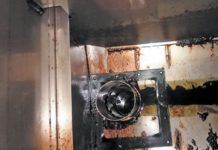
Diesel problems usually begin at the tank. Most fuel tanks more than 5-10 years old have accumulated a mix of water, live, or dead bacteria and algae, rust, etc. in the bottom. If possible, use up most of the fuel in your tank, remove the inspection port and visually inspect the bottom of the tank. You may be surprised. If you are confronted by black sludge or water, youll need to remove it to ensure you have a clean fuel supply.
Polishing Solar Panels
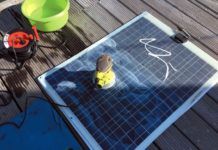
After years in the sun, even the best quality plastic begins to take on some surface roughness and hazing. The diligent boat owner immediately reaches for his buffer and compound, certain that a shiny panel is a happy panel. In fact, panels are often ruined by attempts to restore the plastic.
Pump Out Attention Extends to the Head
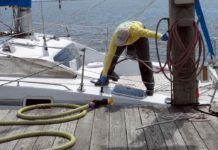
Although head maintenance is low on everyones fun task list, working on functioning head that has been flushed clean (flush with lots of clean water, soak in vinegar for 15 minutes, and then flush that through with more water) head is much more pleasant than working on a broken, clogged head.
Caring for Seacocks
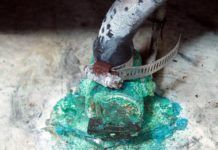
Considering the excitement a failed seacock can generate, the lack of attention they typically receive is almost criminal. Tucked away in the dim recesses of your bilge, seacocks typically don't get a second thought with regards to preventative maintenance or inspections - until they fail to operate or even break off in your hand during operation (it happens, Ive seen it, and it isn't pretty).
Folding vs. Feathering Props
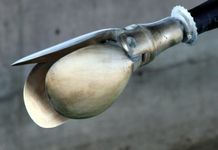
For the past 40 years we've sailed an average of 10,000 miles annually between Australia, Alaska, Antarctica and Spitsbergen motoring or motorsailing between 400 and 600 hours, depending on the area - more hours in high latitudes of Antarctica and the Arctic, fewer in the tropical trade winds.
Test Compares Insulation Below Waterline
First, we set up an R-value test rig, exposing sample materials to a temperature difference and measuring the difference in heat flow (see adjacent photo). The main thing to take away from this is that small areas of very poor insulation-windows or non-cored laminate-will benefit best from insulation.
Jerry Can Storage Tips
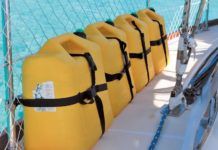
Jerry cans are a fact of life when cruising on small to mid-size cruisers. When fitting out our 37-foot cruiser for an extended trip from Lake Ontario to the Bahamas we supplemented our diesel tankage with four jerry cans for diesel and three gas cans to power the dinghy and run the water maker/generator.
The Worry-free Bilge Pump
Due the lack of maintenance they receive from the average sailor, I often refer to bilge pumps as the Rodney Dangerfield of boat equipment, meaning they just don't get no respect. Its a funny, but also troubling statement, particularly as bilge pumps are often the first and only line of defense against sinking.
O’Day 40 – A Budget Cruiser for the Bahamas
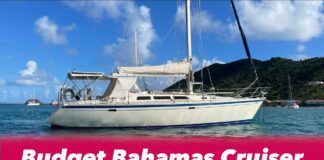
The O’Day 40 (1986) is one of those cruising sailboats that somehow slipped through the cracks of sailing history. Built during the final years...



Latest Sailboat Review
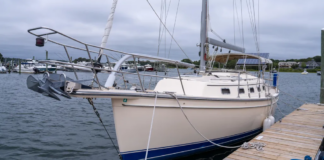
Island Packet Estero Used Boat Review
Florida-based Island Packet targets a relatively narrow niche, so the toughest competitors to its new boats are often older Island Packets. Introduced in 2010, the 36-foot, shoal-draft Estero is the company’s latest attempt to introduce a distinctive model that doesn’t stray too far from the company’s proven formula for success: moderate displacement, full-keel cruisers designed to be lived on, sailed far and in comfort, and endure the bumps, scrapes, and storms that cruising boats inevitably encounter. After sailing the Estero on Florida’s Sarasota Bay and inspecting its interior, construction, and systems, Practical Sailor testers noted that the shoal-water cruiser will appeal strongest to Island Packet fans who’ve been waiting for a shoal-draft, easy-to-sail boat that compares to the IP37 in terms of interior space. These strengths will be most apparent on intracoastal or riverine adventures like the Great Loop.