


The following is the test protocol for our report on cost-effective insulation for boats.
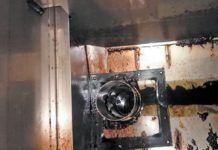
First, we set up an R-value test rig, exposing sample materials to a temperature difference and measuring the difference in heat flow (see adjacent photo). The main thing to take away from this is that small areas of very poor insulation-windows or non-cored laminate-will benefit best from insulation.
We then tested a variety of materials on the hull and air conditioning ducts for both surface sweating and condensation underneath. We placed 10-inch squares of a variety of materials against a non-cored FRP hull resting in 34-45 F water for several months. Some we sealed to the hull with tape, some were simply pressed against the hull, and some were self-adhesive.
Although this is not a live-aboard boat, we did make a point of spending at least one night per week on the boat. We turned the dehumidifier off and closed all ventilation. The relative humidity hovered between 55-65 percent, and the temperature ranged from ambient to 72F.










Where are the test results?
Yeah! What J5Pete said! Where are the results ?
N/m Found it @ https://www.practical-sailor.com/boat-maintenance/dirt-cheap-winter-insulation-for-liveaboards