

The Electric Alerion 33
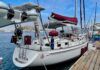
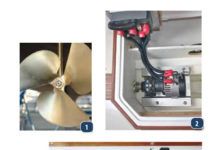
A request for an electric-powered Alerion Express 33 prompted Pearson Yachts and Mastervolt to undertake the construction of an electric-propulsion version of the boat. The heart of the system is a pair of 160-amp, 12-volt DC lithium-ion-phosphate batteries from Mastervolt. The system also includes two 60-amp Chargemasters chargers designed for maximum efficiency.
AGM vs. Lithium in the Real World
When we last touched on electric propulsion conversion in September 2008, PS noticed several small companies catering to the niche. Among them was Above the Waterline Marine in Santa Barbara, Calif. (www.abovethewaterline.net). Owned by James Lambden, the company specializes in alternative energy systems; it also builds and markets an electric propulsion system, made by subsidiary Propulsion Marine.

PS Advisor: Plumbing a Multi-pump Bilge
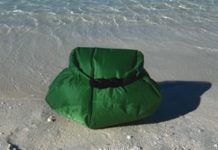
Your September 2010 issue had a great article on electric bilge pumps. My Pearson 424 ketch has a bilge sump that has to be 4 feet deep, which would be a lot of water to move if it ever started to fill. In the article, you recommended a mix of a small pump for “everyday duty” with a couple of large-capacity backup units, you didn’t mention how to plumb these. Would each pump have to…
Chandlery: April 2011
One of the more unsanitary shipboard practices is draining showers directly into the bilge, a setup that not only generates odors, but also introduces pump-clogging hair and soap scum into the bilge. A common aftermarket solution is mounting a gravity-fed sump beneath the shower pan, which collects the water and automatically pumps it overboard or to a gray-water tank, using a small submersible pump and float switch mounted inside.
PS Advisor: Tangled Up in Turbochargers
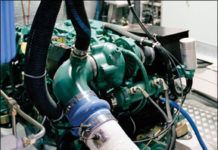
I have noticed that several new sailboats are being offered with turbocharged diesel engines. Seems to me these pose two problems: excess fuel consumption and excess heat. Do you have an opinion or technical advice on their use practicality?

Electric-Flush Marine Toilets Part 2
Practical Sailor evaluated 14 electric marine toilets from seven manufacturers. This article is a follow-up to the February review of seven compact electric toilets; it focuses on the seven larger, heavier, more expensive test toilets, which are similar in size to standard household toilets. Part 2 of the toilet test report included heads from Dometic, Jabsco, Planus, Raritan, Thetford, and Tecma. These heads, equipped with more sophisticated flushing systems than those previously tested, are best suited to boats over 40 feet. Testers looked at the toilets' varying approaches to macerators, flow valves, and plumbing. The bench tests also evaluated noise levels during flushing, construction quality, ease of installation and maintenance, time to flush 1 gallon of water, and macerator performance.

Practical Sailor Tests Electric-Flush Marine Toilets
Practical Sailor compared the style, performance, weight, and ruggedness of 7 electric-flush marine toilets from four manufacturers. Once considered a luxury made only for the megayacht crowd, electric marine heads today are more compact, more reliable, and less expensive than their predecessors, making them viable options for amenities-seeking cruisers. In tests, PS compared the flow rate of the supply pumps, the amps used per flush, the time it took each toilet to flush, and the efficiency of each toilet to manage the material flushed. The test field included the Raritan Sea Era, the Raritan Marine Elegance, the Jabsco Quiet Flush, Jabsco Deluxe Lite Flush, the Johnson Aqua-T, and the Groco Type K 12-volt marine electric-flush toilet.
Winterizing the Engine: Maintenance that Is Truly Preventive
Winterizing an inboard engine installation means a lot more than filling the cooling system with antifreeze and stuffing a rag in the exhaust outlet. It means taking care of the exhaust system, the fuel system, the engine controls, and other components of the drive train, such as the shaft and prop. If you want to do these things yourself none of them is difficult, only time consuming plan on a long day of work, or perhaps a leisurely weekend.
Upgrading the C&C 33 Part I
In July 1990 we bought a 1975 C & C 33 to function as a test platform for Practical Sailor. We chose it above others for several reasons: The design seemed typical of many modern sailboats, with a fin keel and spade rudder and moderate displacement; C & C had a good reputation; and the price was right.
A Permanent Mount for the Sensibulb LED Reading Light
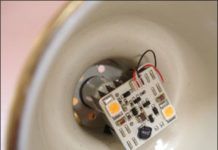
I have always been a big fan of brass berth lights, but have never really liked the halogen bulbs commonly used in them. The little halogen bulbs run hot, use a lot of power, and are prone to vibrating loose. When Sailor's Solutions (www.sailorsolutions.com) introduced the Sensibulb, I quickly ordered a couple to test in our custom built boat Suzy. They worked so well that I converted all six of our berth lights. The original Sensibulbs were nice units, but the mounting system was iffy. I elected to bypass the mounting system by removing the ceramic bulb holder and directly gluing the bulb support post to the back of the Sensibulb.
Latest Logbook

Practical Sailor Logbook – September 2026
In September we tour the Hans Christian 48T — the offshore cruiser many sailors call the holy grail — walk the custom Antigua 60...

Video: Why Are Tartans So Expensive? Inside the Tartan 3700
If you’re researching Tartan Yachts, looking for the best traditional cruising sailboat, comparing premium used sailboats, shopping for a bluewater cruiser, or considering a...



Latest Sailboat Reviews

Learning by Doing on a $5,000 Catalina 30 Mk II
When Davis’s mother started talking about wanting to do something “big” for retirement, Davis and Gloria half-jokingly threw out an idea that seemed suitably...