


Portable Marine Refrigeration Test
One of the advantages of a compressor-driven portable refrigerator is that it can also serve as a freezer. And compared to thermo-electric coolers, they require fewer amps to do the job. Cruising boats need to be energy efficient, so amp consumption with a 12-volt power supply was one of the key factors Practical Sailor looked at in this test. As in any marine refrigeration test, insulation is a key factor in efficiency, so our comparison also tried to single out the best insulated units. Ultimately, the linear compressor system used in the Engel and Norcold refrigerator/freezers proved to be more efficient.
Diesel Fuel Tank Replacement
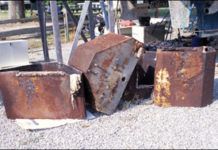
If given a free hand at design, material selection, fabrication and installation, what would Practical Sailor ideal replacement diesel fuel tank look like? The ideal diesel fuel tank installation should possess, above all else, access. A boat fuel tank that is completely and permanently buried beneath or behind fiberglass, timber, insulation or joinerwork is a tank cannot be inspected for corrosion, chafe, structural damage or leaks. Fuel tank baffles, inspection ports, and properly insulated fittings (in the case of a metal tank) are essential. Diesel tank contamination is inevitable, so any tank design for a cruising sailboat must take that into consideration.
Chandlery: Filter BOSS
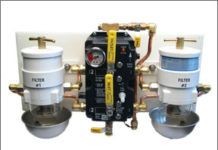
For people concerned about losing fuel flow to their sailboat auxilliary engine while underway due to a clogged fuel filter, the FilterBOSS looks like a promising solution. The FilterBOSS can be ordered as a stand-alone unit ready to be plumbed into your existing fuel system ($950), or as part of a pre-mounted system containing your choice of two Racor filters (various models available). The unit we received for review was the 500FG Dual Filter Package, which includes a FilterBOSS with wiring harness and two Racor 500FG filters mounted and connected with rigid tubing on a pre-drilled, composite panel ($1,565). It features Type 1 copper tubing (.035-inch wall thickness), Bi-Lok CA360 grade brass fittings, heavy-duty valves (with Viton seals), and a Con-X weather-tight cannon plug for the wiring harness. The system also allows a convenient way to polish your fuel and rid it of debris that may clog your fuel system

Marine refrigeration: Thermoelectric Cooler Test
The main drawback of thermoelectric coolers is power usage. This will likely be an issue during extended use or for boats with small battery banks and anemic charging systems. The 106-130 amp load, over a 24-hour period, is about twice as much demand as a built-in evaporative sytem and about three times the demand of the most efficient-and most expensive-installed systems. Also, thermoelectric units are limited in their ability to cool internal temperatures, usually to a maximum of about 40 degrees below the ambient temperature.
Jabsco Oil Changing System Turns Chore Into Cakewalk
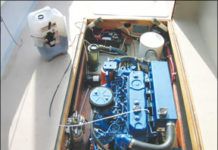
The best way to get all of the oil out of the engine (after a thorough warm-up) is to drain it from the plug at the bottom of the pan. In boats, however, its often tough or impossible to get at that plug. The optimum solution is to have an oil-change system permanently installed, with a hose from the oil sump to a bulkhead-mounted pump.

Dinghy Engines
The light, easy-to-start Honda BF2 fends off challenges from 3 newcomers.
Mailport: 12/06
MARINE INSURANCE REDUXI have been reading with much interest your articles about marine insurance this year (April and May 2006).

Rhumb Lines — Getting a Fix on Reality
It was mid-July 1990 on the Caicos Banks, a stretch of shallow, gin-clear water extending for about 70 miles east to west in the Turks and Caicos Islands. Along with a dozen other cruisers whod chosen to thumb our noses at hurricane season (ah, those were simpler times), we were pausing in Providenciales before heading south. …
Boosting Solar Panel Output
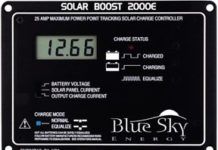
Blue Sky regulator boosts output by 30 percent.
Voltmeters for the Dweeb in All of Us
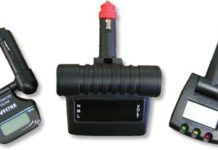
We have among us those who carry around thin, pocket-sized multimeters, so that they can probe this and trace that. Nerd alert! There are...

O’Day 40 – A Budget Cruiser for the Bahamas
The O’Day 40 (1986) is one of those cruising sailboats that somehow slipped through the cracks of sailing history. Built during the final years...



Latest Sailboat Review
Island Packet Estero Used Boat Review
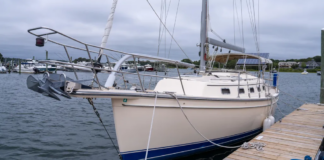
Florida-based Island Packet targets a relatively narrow niche, so the toughest competitors to its new boats are often older Island Packets. Introduced in 2010, the 36-foot, shoal-draft Estero is the company’s latest attempt to introduce a distinctive model that doesn’t stray too far from the company’s proven formula for success: moderate displacement, full-keel cruisers designed to be lived on, sailed far and in comfort, and endure the bumps, scrapes, and storms that cruising boats inevitably encounter. After sailing the Estero on Florida’s Sarasota Bay and inspecting its interior, construction, and systems, Practical Sailor testers noted that the shoal-water cruiser will appeal strongest to Island Packet fans who’ve been waiting for a shoal-draft, easy-to-sail boat that compares to the IP37 in terms of interior space. These strengths will be most apparent on intracoastal or riverine adventures like the Great Loop.