

Two weeks ago I had a good sized lump of skin cancer taken off my nose. Fresh incisions must be carefully protected from UV, prompting this article. When I first went to the dermatologist the spot was nothing more than a small zit that wouldn’t heal. Out of an abundance of caution, I made an appointment, even though my regular skin check was only a month away. I’m 64 years old with no personal prior history, but my father had some spots removed. They took a biopsy, the pathology came back benign, but it didn’t heal and started growing again within days. They rechecked the original biopsy sample and determined that they had goofed, and scheduled Mohs surgery to remove it.
By that time it had tripled in size and the resulting hole was about 1.5 cm across. More than you wanted to know, but it’s serious business. As sailors we spend a lot of time in the sun, so get your spots checked. Yes, I wear a big hat, wear long sleeve white shirts, and use sunscreen. But as a youth and for the first 40 years, no, I was not fully diligent.
Post-surgery incisions require extra protection. Clothing and band aids are recommended for the first three to four weeks. Sunscreen is not enough. Increased protection is required for six to 12 months, and hence my choice of a nose protector.
Sunscreen
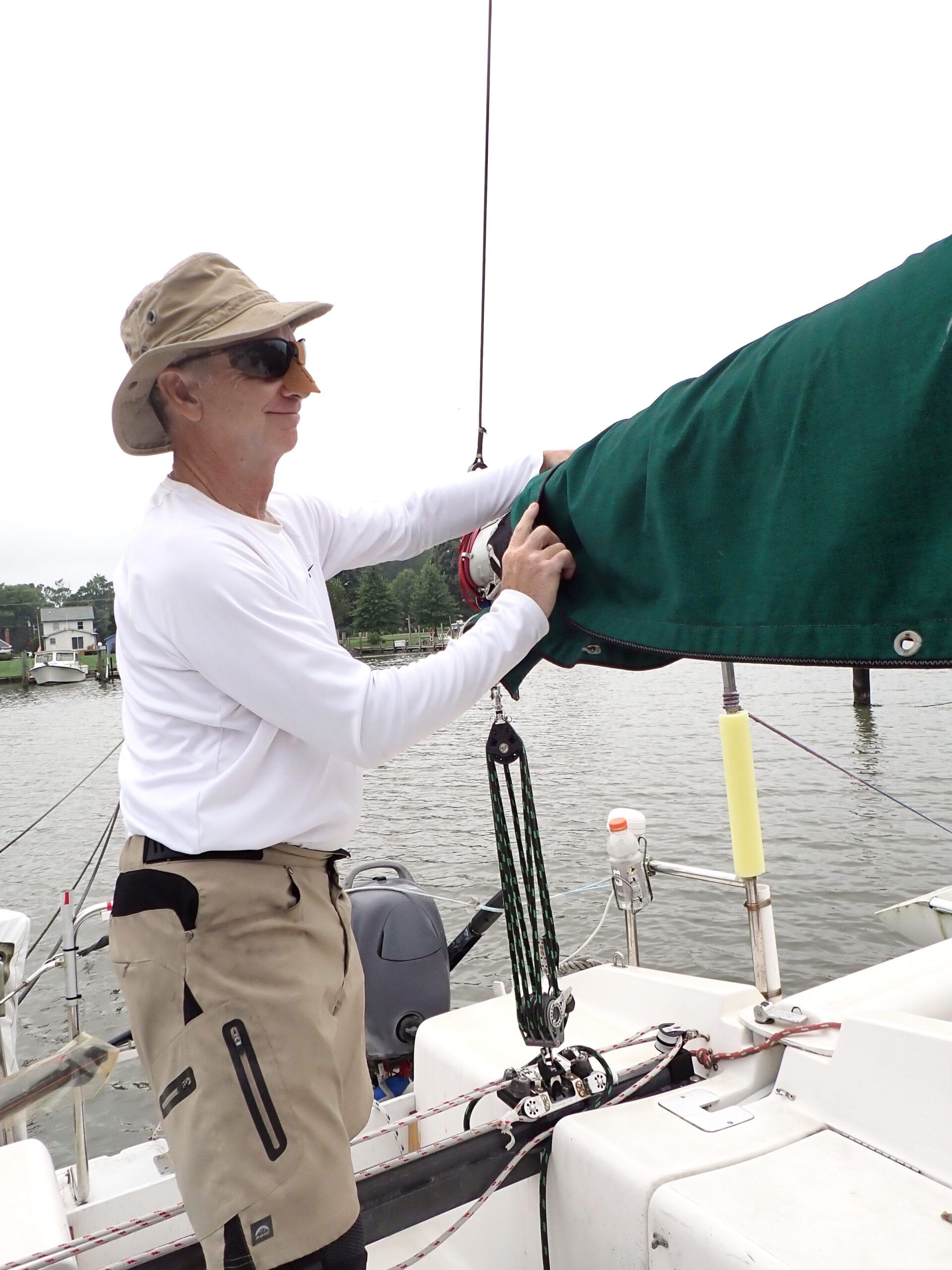
High SPF sunscreen is great stuff, but the nose has a few complicating factors. Sweating, sneezing and wiping. An itch. Pulling on a balaclava when it’s cold. Sunglasses and eyeglasses move around. Much of it gets wiped off. My spot was very near where my glasses ride; I wonder if the sunscreen was always wiped away.
There are also the standard limitations of sunscreen. You have to remember to reapply every two to three hours. It sweats off; the mineral type, even if well rubbed in, appears as white spots when the sweat starts pumping and flushes it out. Applying more while sweating hard is practically a joke; it can’t properly soak in against the flow. Do remember to apply before you leave the house; you won’t forget in the rush to get underway, you aren’t sweating, and it will have time to soak in properly.
Self-Adhesive Patches
We’ve seen mountaineers use athletic tape, but they were planning to spend three to four days constantly on snow and ice, at altitude and in extreme cold. Hard to peel off. Skin-toned purpose-made patches have the promise of looking less dorky than cloth flaps, but the reality was disappointing. Not good for a fresh incision, but of course, a bandage will keep the sun off.
Worse, they felt like a heavy band-aid, constantly pulling. Depending on the curves of your nose, getting a proper fit is either difficult or impossible, and you won’t get full coverage, leaving some of the sides and tip bare. Sunscreen encourages the edges to peel and you have to degrease your nose before application.
Bottom line: Overall, inconvenient and ineffective.
Eelhoe Nose Protection Patches
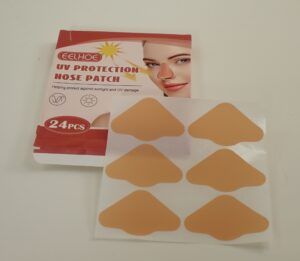
They felt like having a band-aid snug across your nose. They did not conform to the curves of my nose without wrinkles and pulling. They peeled when exposed to sunscreen around the edges. Not recommended. $14 for 24.
Nose Cover Flaps
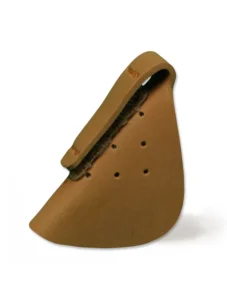
Dorky, no question about it. But don’t care, and it’s the only practical option for the first month after surgery. I’m also used to seeing them in the mountains up on the snow and ice. Back in the day a leather nose triangle was a standard accessory to your glacier glasses. Zinc was quickly wiped off on clothing, your nose runs in the cold, the cover helped with windburn. Zinc was still ubiquitous on cheeks and lips. A cover just works better.
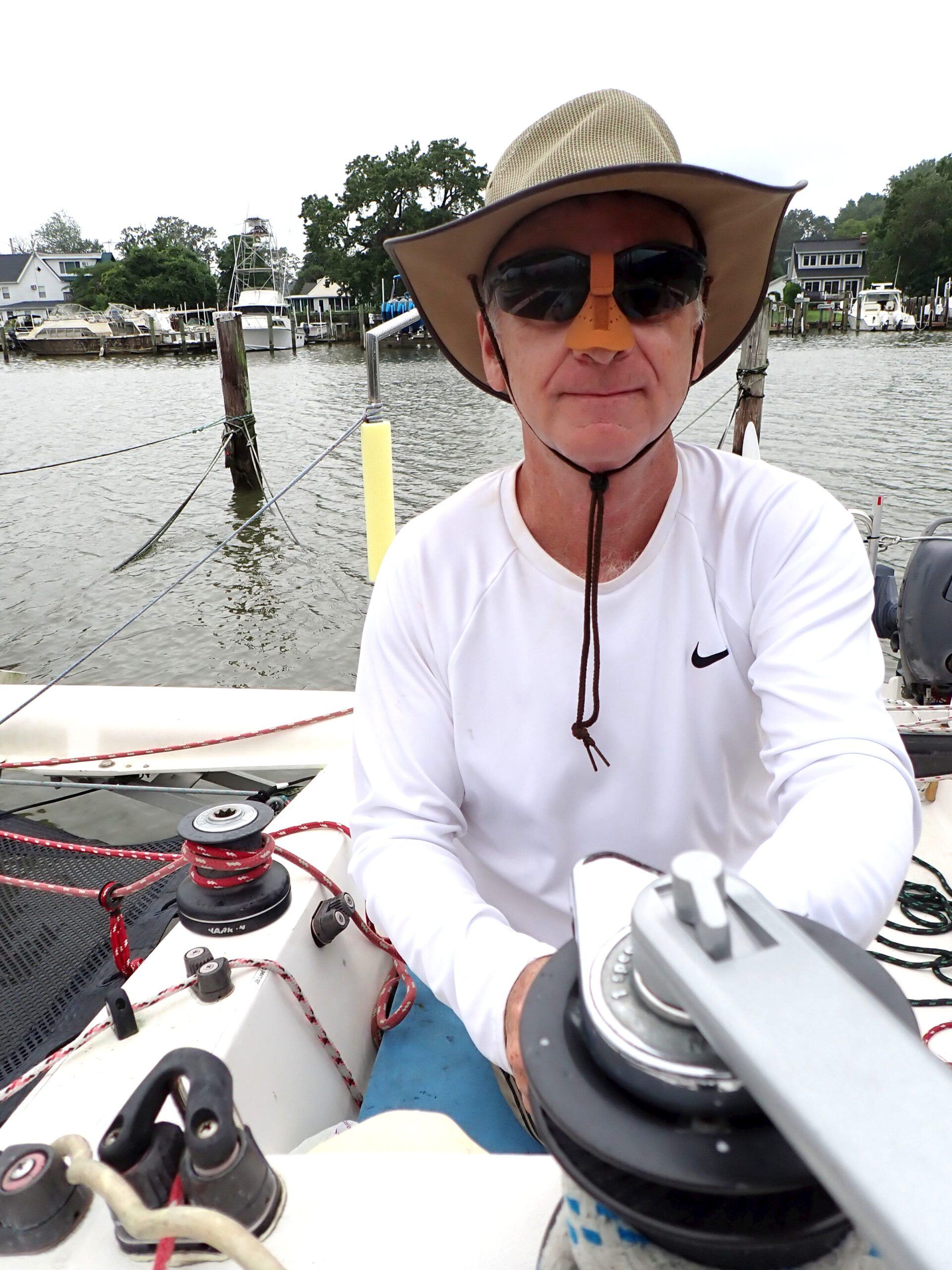
Once adjusted we couldn’t feel it, and with good ventilation underneath, like a hat, it was actually cooler in the sun. Some things are traditional for a reason. Traditional mountain flaps were black or tan; a little heating helped. White would be more reflective, of course, but that’s not a good thing, right under your eyes, just as the underside of hat brims are always a dark color. We chose tan as less noticeable on all fronts.
Velcro vs. snap. We vote for Velcro. Does not flap in the wind and it adapts to a wide range of sunglass bows.
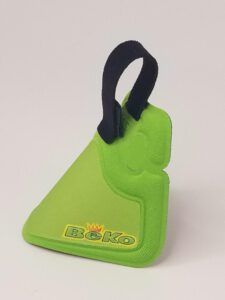
Careful trimming is required around the nose pieces. You want full coverage, but you don’t want your glasses riding high. If the nose pieces are separate, the best fit may be obtained by cutting slots or holes that the eyepieces can reach through. Larger sizes are obviously suitable for larger noses, but are required for sunglasses with thick nose pieces, including most wrap-around specs.
Beako2010. Velcro attachment. Foam and fabric construction. $9.
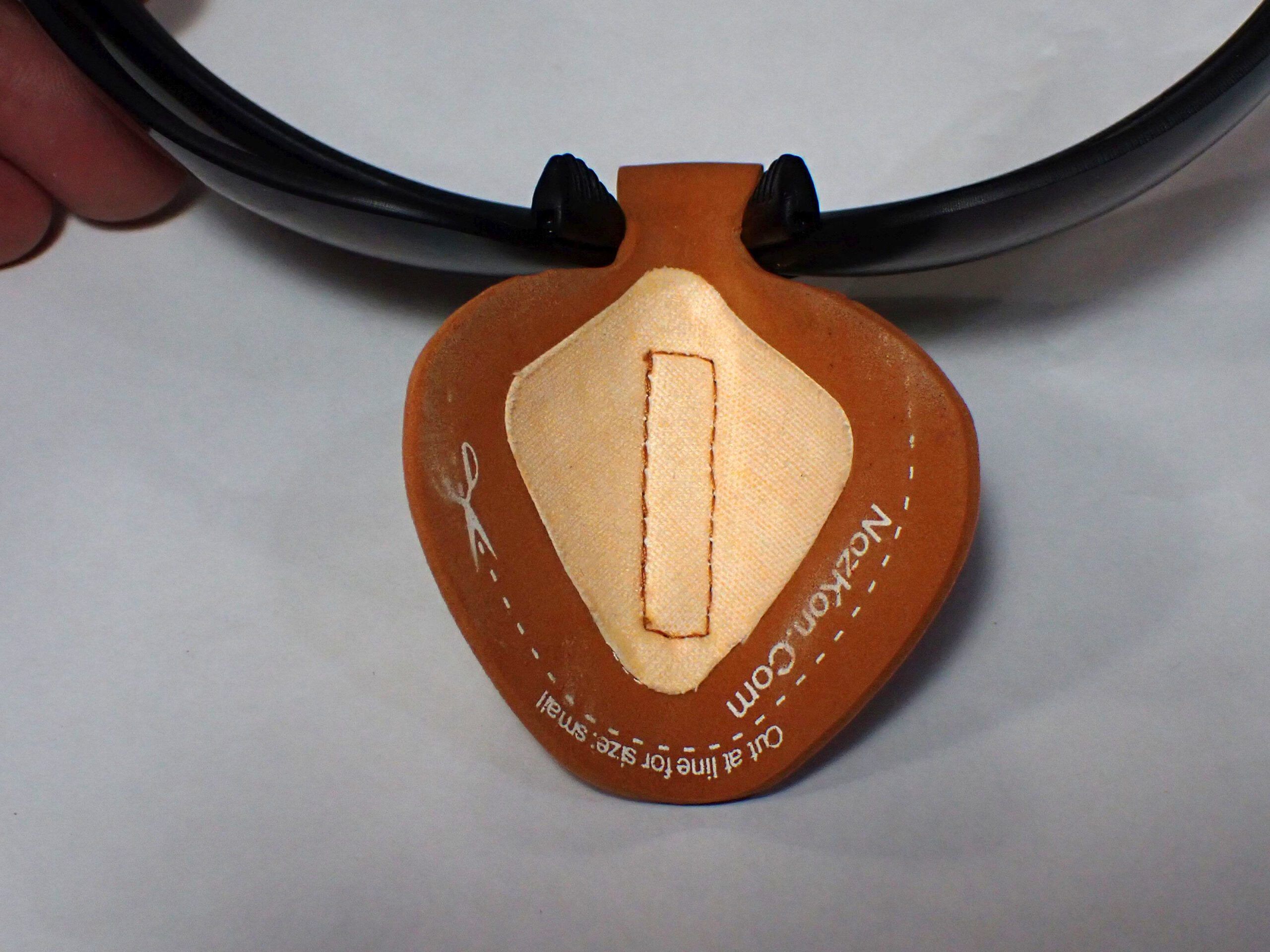
NozKon. $9. Velcro attachment. Foam and fabric construction. Tested. $9.
Bottom Line
Months after surgery I’m still wearing the fabric nose cover sailing, kayaking, and any time I’m outdoors for more than 20 minutes or so. It’s a part of my routine and I don’t see it changing (cycling I opt for high SPF cream). It’s just part of my mountaineering garb.
Don’t skip the sunscreen. Sun will sneak around the edges, and unless you want a beak worthy of a plague mask, the tip will get some sun. A brimmed hat is also smart. Don’t forget the high SPF lip balm, a particularly nasty place to get skin cancer, and more likely to spread. Apply sunscreen at home, keep another tube on the boat, and a tube of SPF lip balm in your pocket.



What about stretchy face covers? Gators they’re called? Yes, we see them in photo ops like ICE raids and Mexican drug cartels. But I also see them all over Mexican fishing guides, workers outdoors, kayakers in the sea of Cortez… Also cover ears and back of the neck. Thoughts?
Brilliant chat!! Sorry you went through it but thank you for sharing the evidence based and personal info. We sail far further north than you but it’s a great reminder to wear the sunscreen, the hat, the long sleeves and if need be (we get a bit less intense sunshine than you) the nose/face screen. And a baseball hat doesn’t cover your ears! Take care!!
I wear Smith Pursuit sunglasses which have a removable nose cover, side shades, and a very good field of view they’re great for significant sun protection. I combine that wit Coolibar fly fishing sun hoodie with a built in gator. That setup along with a baseball cap of choice has served me very well.