

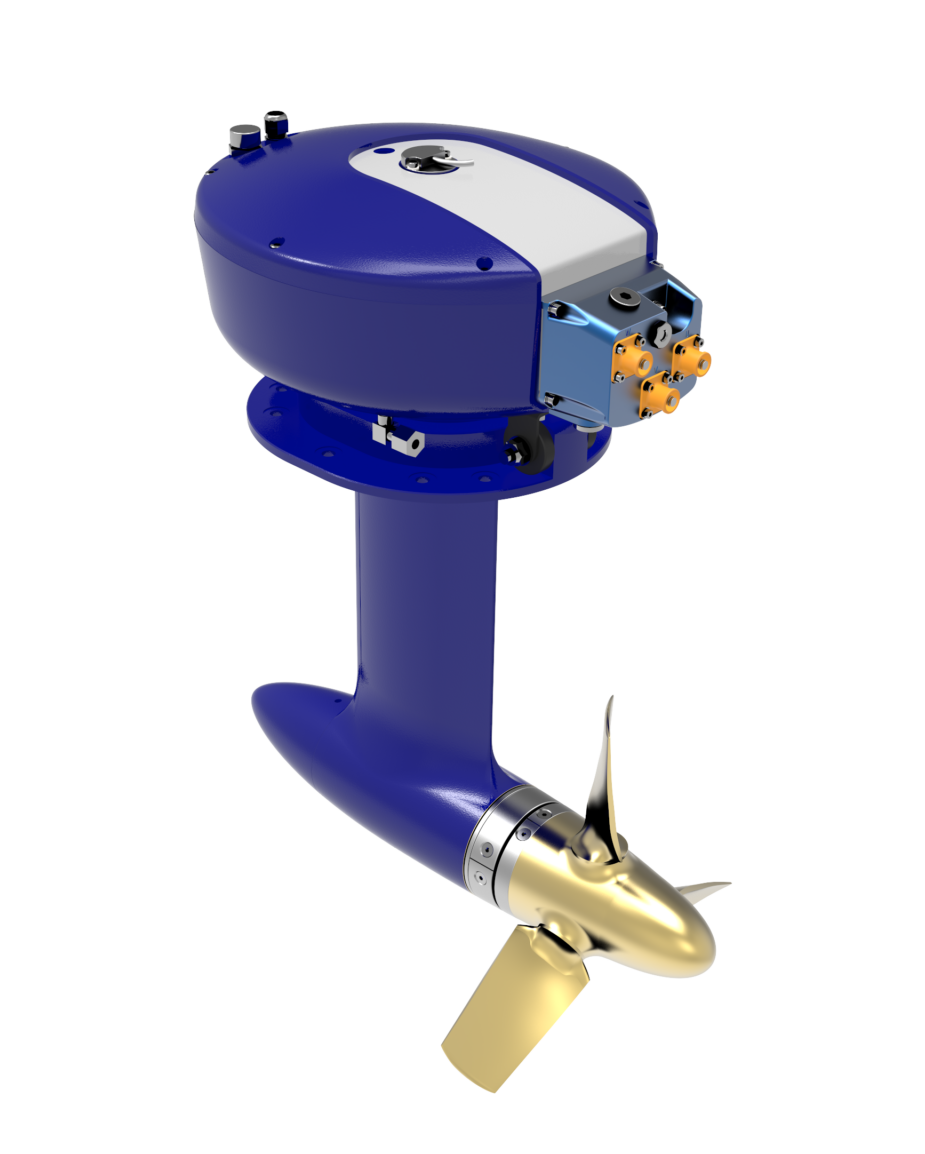
The 18th century was the age of sail. The 19th century saw the introduction of steam propulsion and the 20th century witnessed the introduction of diesel (and gasoline) propulsion. Will the 21st century witness a new maritime age, of either all-electric or hybrid propulsion, in much the same way as road vehicles seem to be evolving? This article explores the potential for all electric propulsion, in cruising sailboats, and a follow-up article will explore hybrid electric propulsion in cruising sailboats.
To continue reading this article or issue you must be a paid member. Sign in

Join Practical Sailor
Get full access to Practical-Sailor.com – more than 4,000 articles – for just $34.
Join today and save 42% off our full price.


I went electric drive with my Nor’West 33 about a year ago. The single most important factor is that the sails are the primary drive for your vessel. If so, it’s lovely!
That’s interesting, thanks. How much ah capacity did you install and what sort of range is that giving you?
I used 2x135ah (48v). One thing that is under appreciated is how much more efficient electric motors are at low rpm. I usually tool around at 40 amps or less, which gives about 3-4 knots/ 6.5 hours. 5 kn would take about 80 A, so a little patience goes a long way.
I haven’t yet charged the 48 V batteries off anything but my 390 W of bifacial solar and the bank has never been below 50% yet.
Electric motor efficiency curves are something we explore in the next article, as that is central to hybrid operation. In summary, however, electric motors are most efficient at mid RPM, although the range is quite broad (say 1,000 to 3,000 RPM).
I look forward to reading it. Of course, the biggest factor is that with a displacement hull power requirements increase with the cube of speed. Motoring at 3 kn makes your battery bank feel a whole lot bigger!
Yes, precisely.
Hello Stephen. I’ve had a 30 ft sailboat, fin keel, for coastal cruising for over 30 years. I’ve looked at converting to electric but the boat simply does not have the carrying capacity for the battery pack I would need. And I’m under sail a lot. My sailing buddies point out that I am under sail far more than they. Even so, my log book shows 70% under sail if I subtract 1 hour of engine time per day for getting into and out of harbour. Considering that, and it’s a pretty favorable percentage, no battery pack will get me to Desolation Sound or out to Barkley Sound on the west coast of Vancouver Island in a day or two. Batteries will have to come a very long way before they become practical for coastal sailing. Nicely written article.
I love the idea. But when the wind dies (common in Chesapeake Bay summers), and you have somewhere to be, we’re all power boats. Or perhaps the wind is light, on the nose, and you have somewhere to be.
It depends on the cruiser you ask, but nearly all will admit to long days under power. They may wish it weren’t so, but it is so.
It all depends on your realistic plans.
Most people who contemplate this do not fully understand that there are competing uses for the same energy. You can either move the boat with electric power or live comfortably onboard, but doing both at the same time is difficult.
On a cruising boat electrical energy is essentially comfort. It powers refrigeration, watermakers, lighting, electronics, and everything that makes life aboard sustainable.
We have 2.9 kWp of solar on a 12 m production catamaran, and even with that capacity our production varies enormously. On poor days we might make less than 2 kWh, while the best days exceed 18 kWh. Over time we average around 10 to 15 kWh per day.
With that variability I cannot imagine diverting a significant portion of that energy to propulsion. For us every kilowatt hour is far more valuable for running the boat and maintaining onboard comfort than for pushing the boat through the water.