
DC-to-DC Converters and Solar Controllers: Are They Smart Enough for LFP?
In "How to Charge Your LFP Battery the Right Way" we explored the charging needs of LFPs and how smart chargers, fed from shore...
How to Charge Your LFP Battery the Right Way
If you are thinking of managing a conversion of your own existing, all lead acid system over to one with a Lithium iron phosphate...
LFP vs. Lead Acid: Eight Things Every Sailor Must Know Before Switching
Marketing literature does a good job of promoting the primary advantages of lithium iron phosphate batteries (LFP or LiFePo4), such as life expectancy, weight,...
Do Hybrid Propulsion Systems Make Sense on Small Boats?
In the article “Is All-Electric Propulsion Practical on Small Sailboats?” we explored the current state of technology for all-electric marine propulsion. We concluded that...
Is All-Electric Propulsion Practical on Small Sailboats?
The 18th century was the age of sail. The 19th century saw the introduction of steam propulsion and the 20th century witnessed the introduction...
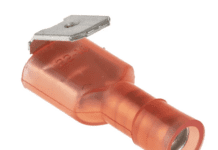
Reliable Three-way Wire Connections
Connecting two wires is simple; use a properly sized crimp butt connector with a ratchet crimper, and finish with adhesive-lined heat shrink in damp,...
Power Up: Installing Your Budget Lithium System—and Keeping It Safe
In Part 1 of this series, we discussed how to size your new lithium battery system, choose a battery, and assess the components and...

Power Up: Planning Your Lithium Conversion on a Budget
I once heard of a sailor who prided himself on sailing “pure”—no motor, no electrical, just wood and canvas. How he could dock and...
Digital Echo-Charge: DIY Dual Battery Bank Charging
I like to think and believe that for most sailors, keeping an eye on our environmental footprint is somewhat important. It certainly is for...
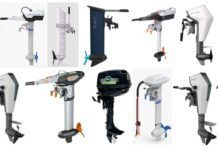
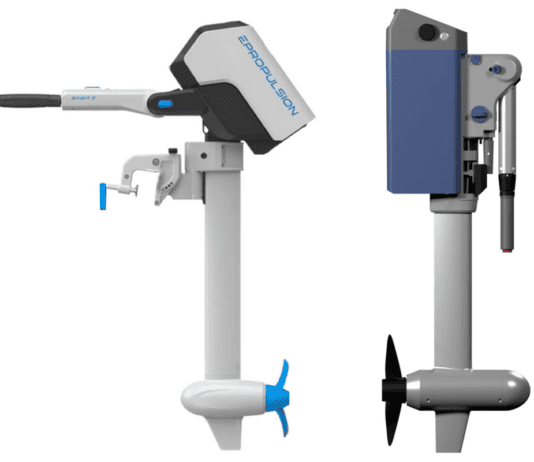
Buyer’s Guide: 14 Electric Outboard Options From 2.5 to 9.9 Horsepower
Battery power has come a long way, whether considering automobiles, power tools, lawn and garden equipment, or marine outboard motors. Cost parity between electric...
Latest Logbook

Practical Sailor Logbook – September 2026
In September we tour the Hans Christian 48T — the offshore cruiser many sailors call the holy grail — walk the custom Antigua 60...

Video: If You See This on a Used Sailboat, Walk Away
If you’re searching the used sailboat market, comparing sailboats for sale, or learning how to inspect a sailboat before buying, these are the red...


Latest Sailboat Reviews
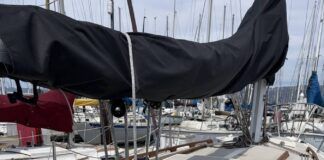
Cal 2-27 Used Boat Review
Our story begins in 1970, with the introduction of the Cal 29. Looking for something similar but a bit smaller, the company asked designer Bill Lapworth for a 27-footer, which at first was the Cal 27, a fin keel, spade rudder design with a convertible pop top; another incarnation of this basic hull was the T/2. But the concept of the 29 found its full expression in the Cal 2-27, which began production in 1975 and continued to 1977, after which it was again modified and called simply the Cal 27...again. Production of it ceased in 1986.