

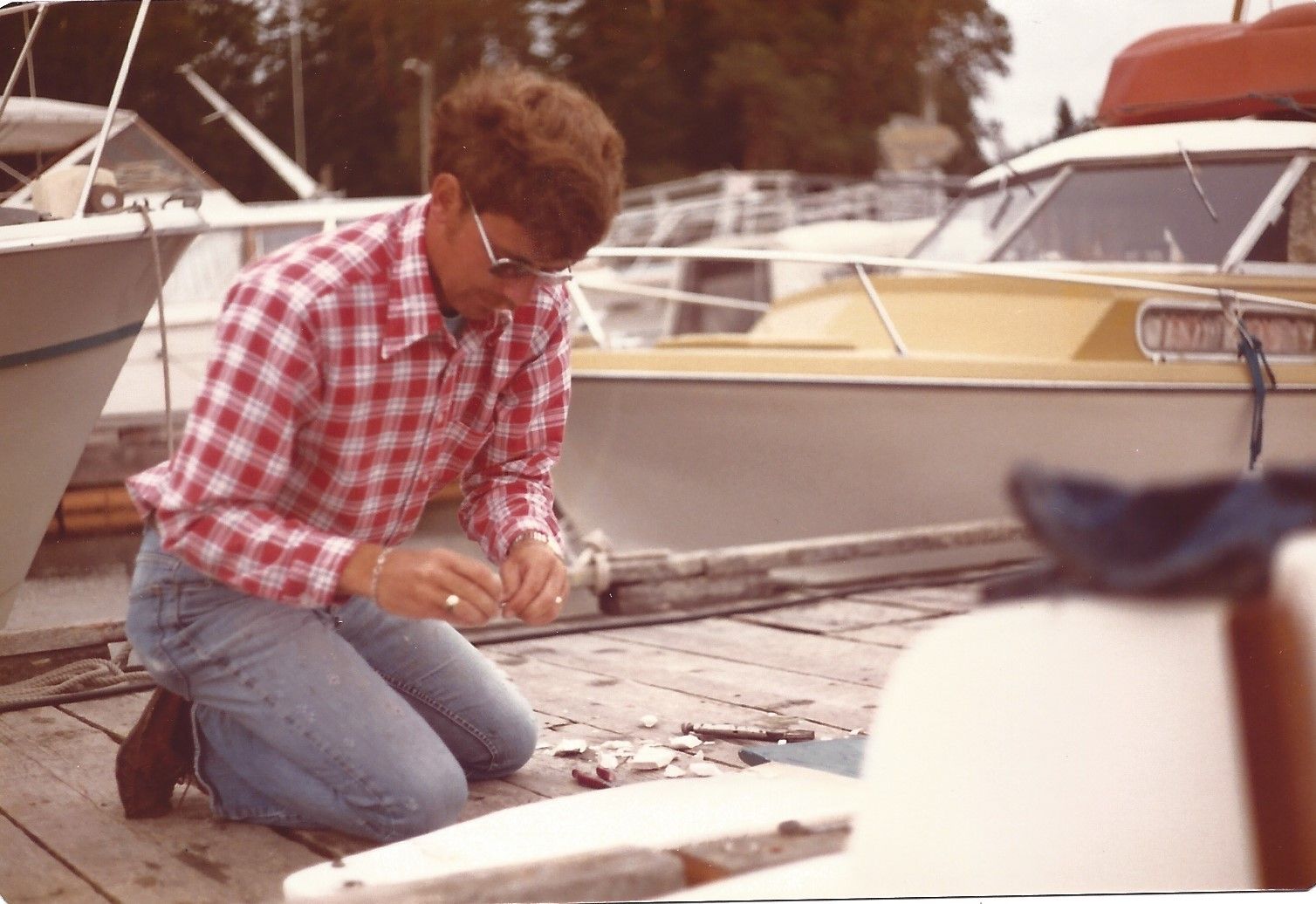
All sailors start somewhere. As a teen I eagerly absorbed National Geographic stories in the late 60s of young Robin Lee Graham sailing singlehanded around the world in his tiny boat. I was infatuated. Construction plans in Popular Mechanics led me to build a sailing dinghy out of cedar ribs and plywood. Like many, I taught myself to sail, reading about the fundamentals in magazines and books. Practical knowledge came from dodging ocean-going ships and tugboats in the Fraser River just south of Vancouver, British Columbia. I was hooked, dreaming grandiose plans of a sailing future. Then life got in the way. Starting a family and career left very little time for recreation. Sailing took a distant back seat, but was always there, waiting to return.
The First Boat
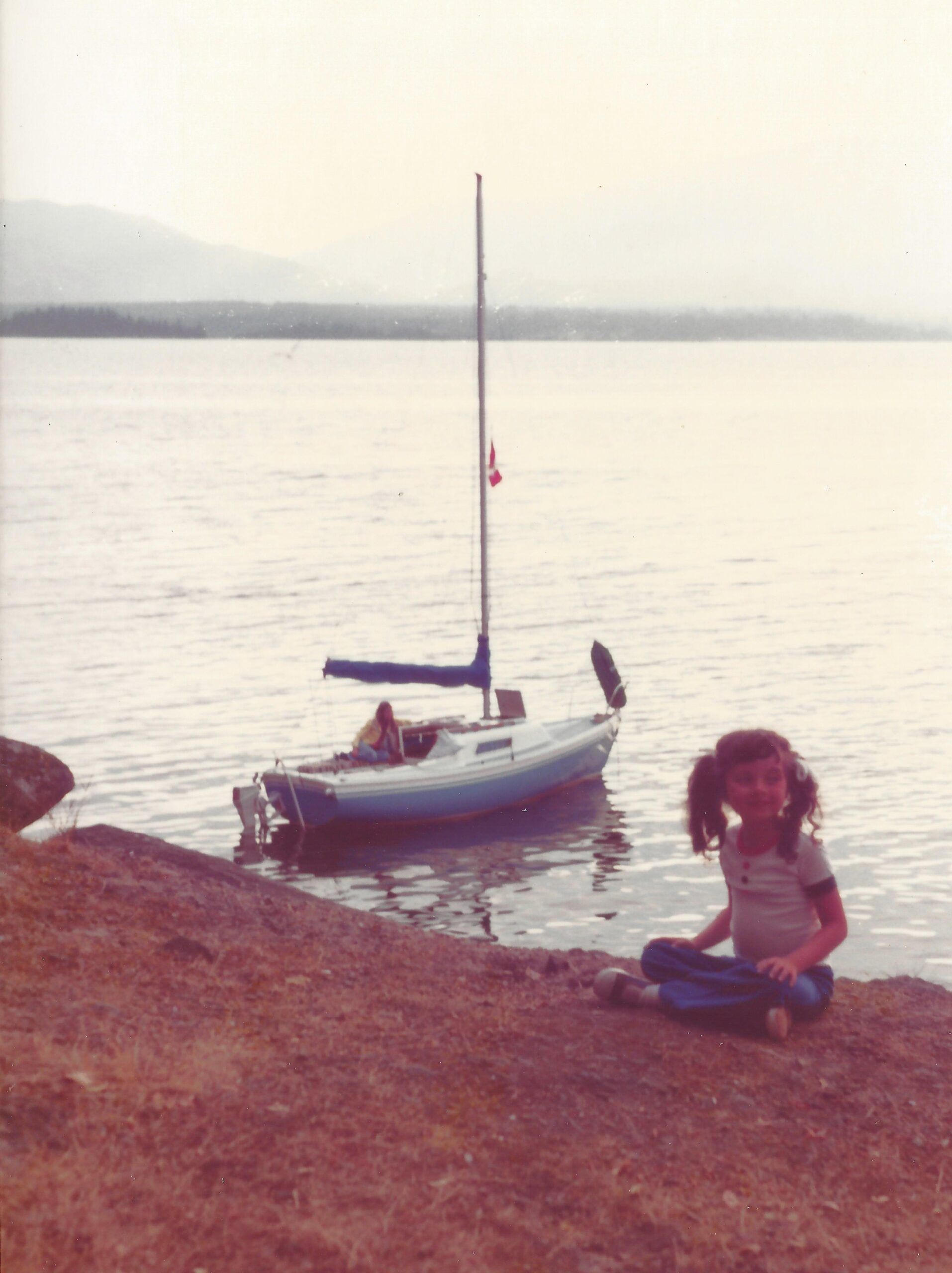
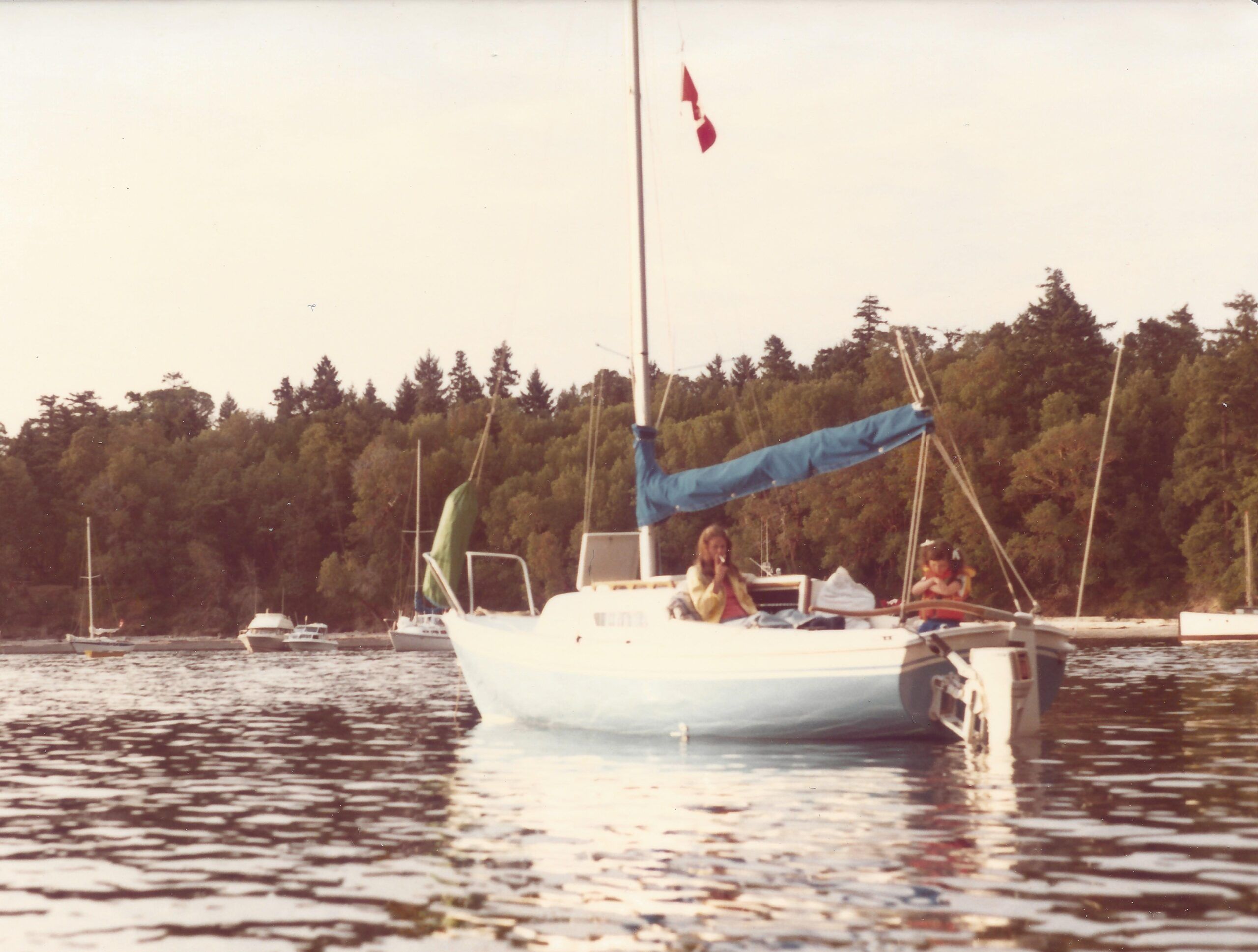
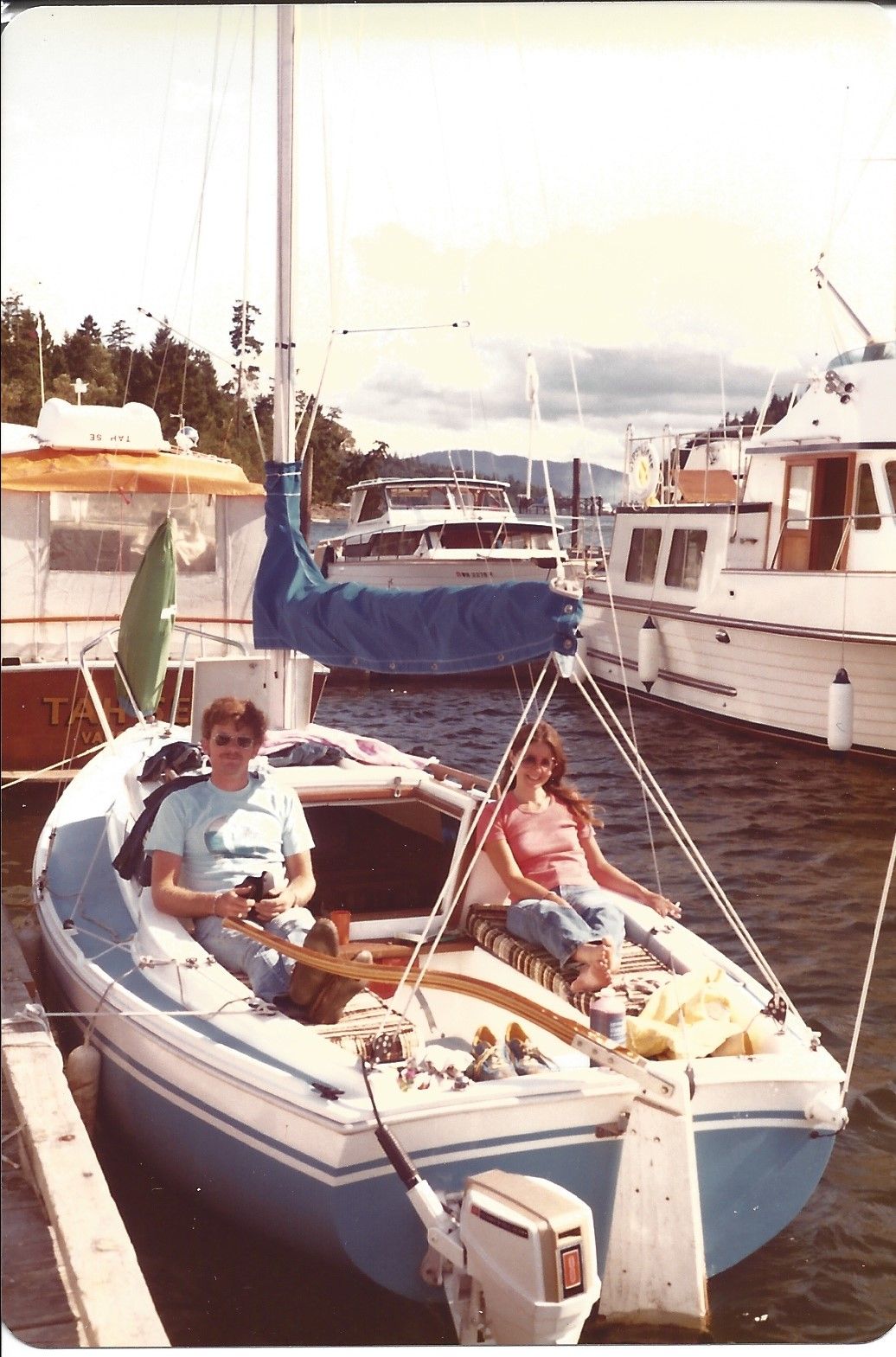
Years went by and eventually I convinced my wife that a boat was in our family’s future. As a young mother, Carey was nervous on a commercial ferry, let alone a tiny sailboat. To her credit, she explained that anything would be better than the 2:00 a.m. visit to an outhouse at the campgrounds. We began to explore possibilities. The average cruising boat of the 70s was akin to the ubiquitous Catalina 27, or even more luxurious Catalina 30. But even the decadence of a Catalina 27 was far beyond our budget. Instead, we found a robin blue Balboa 20 sitting on a trailer in a yard with a faded “For Sale” sign taped to the bow. With sitting headroom in a cozy cabin, a port-a-potty hidden under the V-berth, and a pressurized kerosene countertop stove, this was something we could afford.
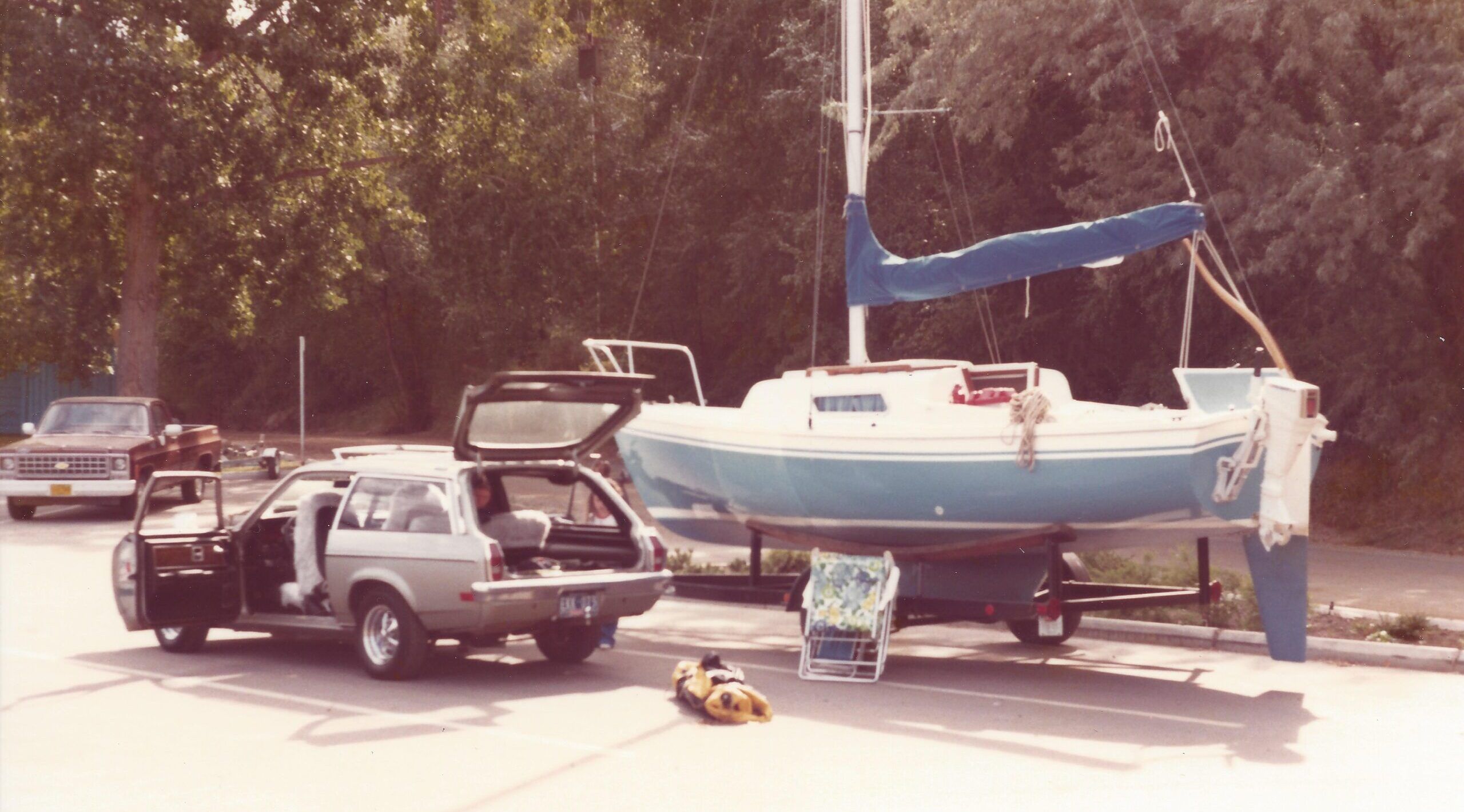
The little boat wintered in the yard on its trailer, swing keel tucked up under her belly while I tried to figure out how the mast was going to go up. We were brand new to cruising with no practical knowledge, but the green islands across Georgia Strait (the Salish Sea) were so tantalizing we just had to make it happen. Our budget didn’t call for electronic navigational aids (there were none), and no sounder or knotmeter, or even a VHF radio, graced the little boat. We were set for weekend cruising adventures in the Canadian Gulf Islands!
Hooked on Sailing
It was a mid-July day when we once again sailed from our home port in Ladner, just south of Vancouver. Ten nautical miles to the Sand Heads Lightship at the mouth of the mighty Fraser River (by that time perched on the rock jetty) and then 12 miles across the Salish Sea to Poulier Pass between Galiano and Valdez Islands, one of the gateways to the Gulf Islands. It wasn’t our first sail across these open waters, and we were feeling quite comfortable, experienced even.
After a few days of cruising the fabled Islands in brilliant sunshine and light winds it was time to head back home. Although we usually anchored in quiet bays, we decided our last night in the Islands was going to be our first destination marina, the very friendly Telegraph Harbour Marina on Thetis Island. Since we were young and new to boating, we were somewhat shy about mixing with the big boat owners—our little boat was almost invisible in the collection of white fiberglass. We had a great time, enjoying the grounds of the facilities, the café’s ice cream, and the extremely helpful and informative staff. Dinner was on the hibachi in the sunny cockpit. This kind of cruising was new to us, and we loved it.
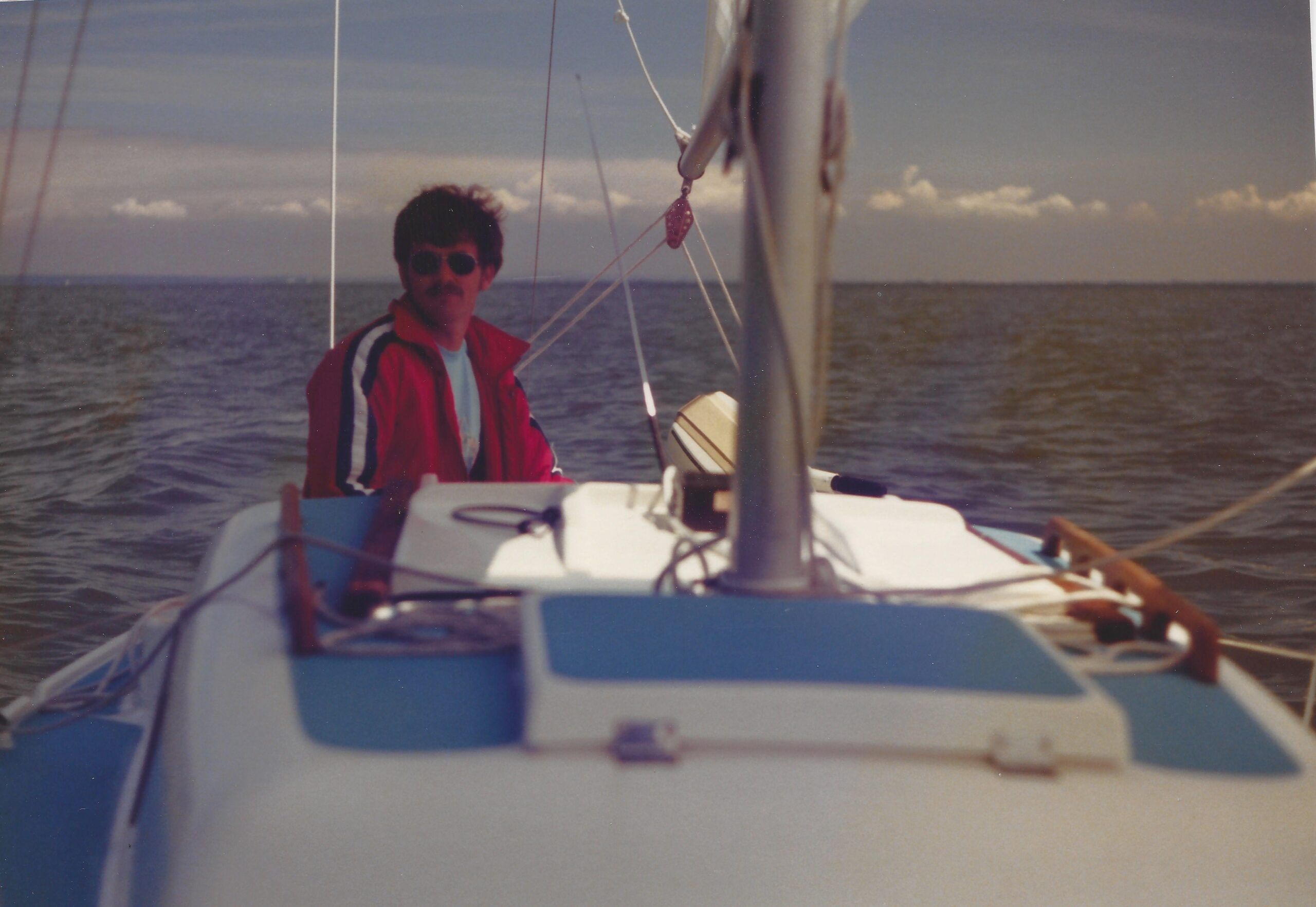
The morning of our homeward passage dawned like all the previous mornings, bright and sunny with a light westerly breeze rippling the water. With dividers and parallel rules I calculated a course across the exposed waters of the Salish Sea back to the mouth of the Fraser River. With a westerly breeze it would be perfect for crossing. The current prediction at Porlier Pass called for a mid-morning departure to catch the slack before the current turned to flood. We untied the dock lines and were soon underway.
Heading Home
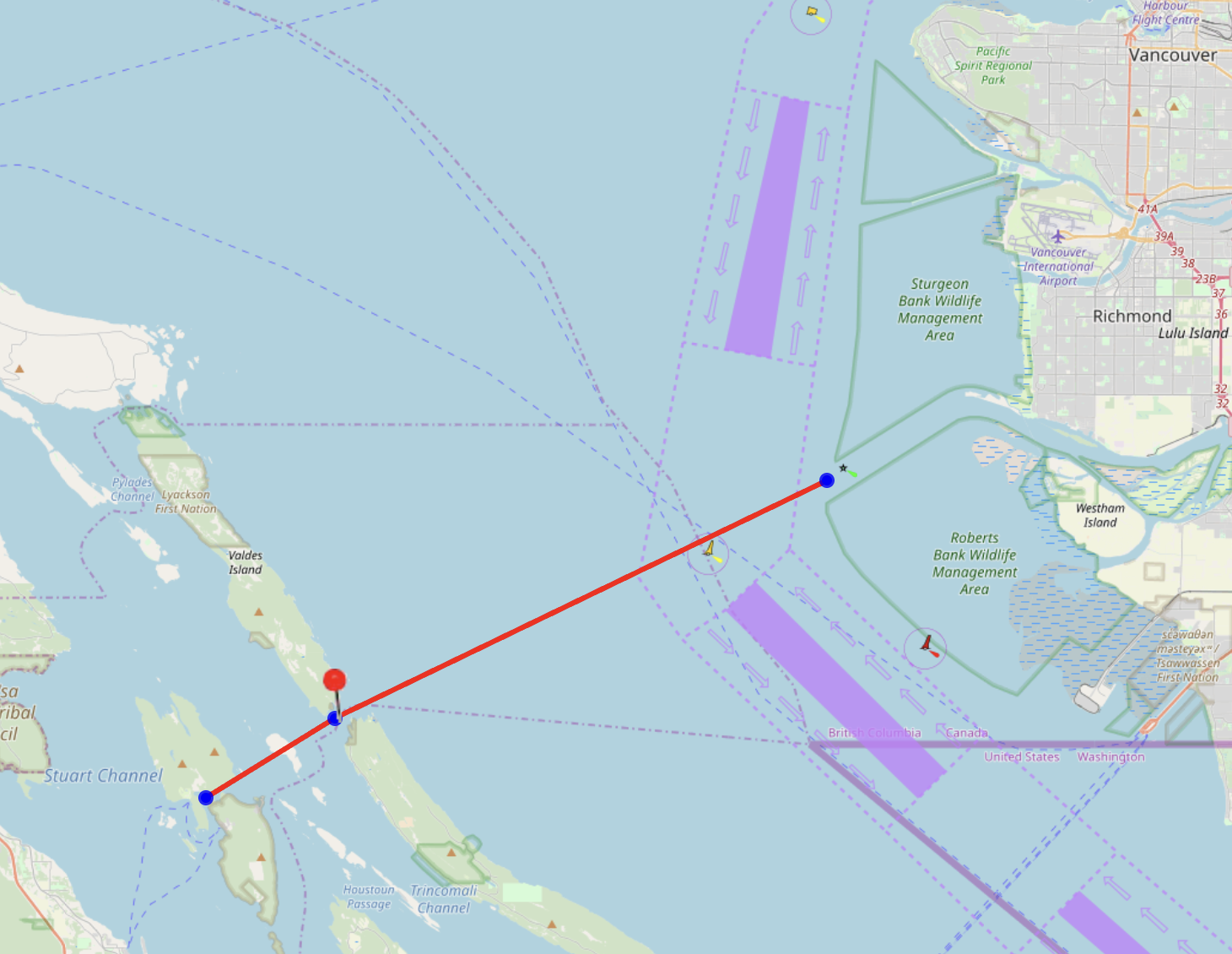
I thought it curious that, although many boaters were up and about, no-one seemed in a hurry to leave. The trusty Chrysler outboard powered us through a narrow, dredged channel between Thetis and Kuper Islands towards Porlier Pass a few miles away. The mainsail was hoisted as the westerly filled in, the noisy Chrysler banished to silence on the stern. The hanked on jib soon followed as we sailed through Porlier Pass at slack, out onto open waters. It looked like a promising sail, far better than powering all the way home.
We stretched away from the land as seas started getting boisterous, the breeze freshening with whitecaps dotting the water ahead. On any given summer day this area of Porlier Pass would see a plethora of aluminum car-toppers and sport fishing boats nearby. I was curious—there was not another boat in sight. But it was a perfect day. The skies were blue, the sun was warm with only a few low clouds to the west. On we sailed, full of confidence, the wind rising perceptively.
Although the Balboa had a pulpit at the bow, there was no pushpit and no provisions for lifelines. In an abundance of caution Carey took our six-year-old daughter Nicky below. I figured it was more for her own peace of mind, not being a comfortable sailor. I was having a blast. The Titanic-style lifejackets were fastened and I was confident in reaching across to the Sand Heads Lighthouse 12 miles away. I couldn’t see the beacon yet, but I recognized the background mountains on the horizon and knew where it should be. All was well as we started to surf down some of the larger waves.
When the Rudder Lets Go
Suddenly, as we swooped down a wave, and without a sound, the rudder failed to respond. I glanced back at the transom, only to see the bottom half of the rudder trailing on the surface—yikes. A quick peek over the stern showed that the fiberglass skin on one side of the rudder had failed—the skin on the opposite side was just hanging on. The little boat slew to leeward and the boom slammed over in a gibe. We were out of control.
I released the jib and mainsheets, scrambling forward to lower the mainsail, shouting for sail ties from the cabin. A few frantic moments erupted as I hung onto the boom, the boat rocked viciously in the seas as I fought the flapping main down. I looked back to see Carey gripping the edges of the companionway, fear in her eyes. The struggle left me a bit short of breath, but the main was finally lashed to the boom. Now for the jib.
With the boat spinning out of control I had to judge when to leap to the halyard cleated on the mast—the clew and sheets were viciously flailing against the aluminum. With cold spray whipping across the foredeck, I crawled forward on the heaving deck to haul the sail down, jamming it into the pulpit and using the sheets to tie it down. Thoroughly soaked, I crawled back into the cockpit to find a white-faced Carey hanging on tight with questions in her eyes. I gave her a reassuring smile, which is far from what I felt. We were in trouble.
Assessing the Damage
Glancing around I took stock of our situation. The boat was still afloat with no water inside and, besides being very uncomfortable in the rolling seas, we were not in immediate peril. The rudder was useless and we had no way to repair it with the tools we had on board. The relative safety of sheltered water was at least two miles behind us to windward, Porlier Pass. But by now the current in the passage would have turned against us.
Did we have enough boat speed to beat the flowing water if we got back there? I had no thought of continuing across the open water, we had to get back to the calmer waters in the lee of the islands. Without another boat in sight to provide assistance, it was up to us to get there. The emergency flares stored below decks never even entered my mind.
Steering by Outboard
I straightened the cotter pin holding the head of the rudder onto the stern with a butter knife, dragging the fractured rudder onto the cockpit floor. It wasn’t going to do me any good flopping about on the surface. We had the trusty outboard. I lowered it into the water and it started on the second pull. Leaning over the stern, I could pivot the motor and regain some directional control.
Against the rising wind and building seas we started powering back towards Porlier Pass at an agonizingly slow speed. The clouds that had been near the horizon were now almost upon us, the sun hidden behind the ominous darkness. The sea conditions always looked worse when the sun disappears. Carey and Nicky stayed below with the hatch slide closed to keep the spray out. Every once in a while I’d see Carey’s head pop up, checking to see if I was still there and all right. I would give her a reassuring smile, letting her know all was under control—and it was. Uncomfortable, but under control.
What seemed like hours passed as I leaned back over the stern with one arm. The salt spray was icy cold and the air temperature dropped rapidly as a cold front rolled over us. I was so pumped with adrenaline that I didn’t notice the cold, but I did notice that my arm and body were starting to shake. Hypothermia was becoming a concern.
Finally, as the waves subsided on the approach to Porlier Pass, I could relax a bit. Feeling a bit more confident, Carey came back on deck with Nicky staying below, standing in the companionway for safety. Playing the back eddies near shore I throttled up to maximum speed on the little outboard to slowly inch our way against the now adverse current in the passage. The years of dinghy sailing in the currents of the Fraser River were paying off in identify where the back eddies were likely to be. But where to go now?
Back to Telegraph Harbour
We would need to get the rudder repaired before we could head home. We both had jobs to get back to and Nicky had school. Worst case scenario we would leave the boat somewhere and take a ferry home, not our first choice. We agreed to head back to Telegraph Harbour Marina, the nearest facility we could potentially get assistance with the rudder.
The threatening skies were now upon us, rain was spitting down with a promise of more to come, and the wind was still rising. We motored back into the marina and tied up at the spot we had left not so long ago just as torrential rain started sheeting down horizontally, the surrounding flags and burgees snapped in the gusting wind. Soaked to the skin, I crawled into the tiny cabin and closed the hatch. We were safe. Time to get into something dry, and warm up some hot chocolate.
The rain didn’t last long and within an hour the skies were sunny again, the winds a whisper. The hatches were thrown open and the process of drying out wet clothing began. Boaters along the docks, surprised to see us back, listened to our tale in horror. A crowd gathered. The passage of the gale-force front had been forecast, but without a VHF, or even an AM/FM radio, we had not heard the warnings. Fellow boaters were oblivious to our plans to cross the Salish Sea and certainly would have warned us had they known.
Help From the Dock
In no time word spread of the broken rudder. Boaters came from all along the docks with saws, drills and a large variety of nuts and bolts. The marina operators donated the plywood that was needed to build splints on both sides of the rudder. Examination showed that the fiberglass skin on one side had fractured just below the lower pintle, the foam core breaking with only the fiberglass skin on the opposite side holding the top and bottom together. I was astonished that the thin skin held it together at all.
Soon the plywood was bolted on both sides like a splint on a broken leg, the top and bottom halves were rejoined. Mounting the repaired assembly back on the stern, we were soon a working sailboat again. As the gale warnings had been extended through the day, we prudently elected to stay another night. We had always left a buffer day at the end of any sailing adventure to ensure that we would not miss a working day, or school.
Dockside Community
We discovered a very close-knit boating community on the docks with a wealth of experience and knowledge, knowledge that everyone was willing to share. Obviously, we lacked both knowledge and experience. We made new friends, toured boats and shared drinks on a most interesting afternoon. Carey was fascinated with the power boats. Not that she needed it, but I reminded her of our budget and the cost of operating such boats was out of the question—but she could dream.
The following morning dawned clear and bright with a forecast of light winds. One of our new boating friends offered to escort us back across the Salish Sea to our marina, an offer we couldn’t refuse. As luck would have it, the return across the open expanse of water was anticlimactic, we motored over a glassy sea with not a breath of wind—the jury-rigged rudder held up just fine.
At home I fabricated a replacement rudder out of marine grade plywood enclosed in fiberglass. I was identical to the factory model, but was probably twice as strong. As a family we continued sailing that little boat the rest of that summer. We were hooked on the sailing life. Although still not an avid sailor, Carey loved the social aspect of sailing and tolerated the sailing part. We moved up to an O’Day 25 the following year, and then eventually to our first Islander Bahama 30.
Although far more experienced now, and far more comfortable on a 30-ft. boat, that first year in the Balboa 20 with its sense of exploration still holds a special place in our memories. We learned to be prepared and independent, and that in a crisis on the water, everyone is willing to help. We have returned the assistance many times over in the following years—we all have to start somewhere. Telegraph Harbour Marina is still one of our favorite marina destinations today, a reflection of that remarkable afternoon.
Lessons Learned
Although this adventure happened early in our sailing life, it was a foundational lesson that carried us through decades of sailing adventures.
- Boaters are the most friendly and helpful people in the world, and are willing to assist whenever they can.
- Inspect the boat before each voyage, somewhat like a pilot performing a walk-around before flight. Perhaps I would have noticed a crack on the rudder before we left and avoided this entire incident.
- Carry sufficient tools to effect emergency repairs if possible. On this particular trip, I didn’t even have a pair of pliers or screwdriver onboard and had to use a butter knife to straighten out the cotter pin to bring the fractured rudder into the cockpit. Simple tools can be heaven sent when trouble appears.
- Know the boat intimately. The more complex the boat, the more important it is to know the systems aboard, particularly through-hulls, battery switches and emergency tools and procedures.
No one leaves their home port planning on an emergency. Play the “what if” game in your head and discuss potential alternatives with your first mate and crew. Carey, Nicky and I were very fortunate in this incident to survive unscathed. We are far better prepared both mentally and technically to deal with a crisis on the water now.
Let us know in the comments—when have you benefited from the kindness of fellow sailors?



Sailing is full of “experiences.” I’ve had two steering failures, both from hitting submerged logs. Since they were catamarans, all that was required was to disconnect the affected rudder linkage. A cat will sail adequately with one rudder, so the cruises were not interrupted.
Outboard steering works, after a fashion, if you have enough gas and waves are not too large, but with an inboard, you will need to rig something. The simplest method uses fenders and your anchor. It really works, and people have sailed thousands of miles with this sort of jury rig. See PS “Emergency Steering; Can you Jury Rig a Drogue for That?”
Hello Drew. The boat was small enough that the outboard was sufficient, and we were young enough not to know better. I don’t know if the most recent generation, with the entire internet to provide life lessons, are any better off. We learned through experience and survived!
I guess many of us look back at our youthful early sailing days and wonder, “what the hell was I thinking”? I was likewise self taught, and after becoming what I (smugly) thought was a good sailor in the early 70’s, did a lot of So Cal coastal harbor hopping in a home (but well) built 24’ Piver “Nugget” Tri. Those are pretty benign waters, but still subject to the notorious Santa Ana winds, big swells and the occasional winter storm. I was also a dedicated surfer and sailing in strong winds on a fast tri was exhilarating. I did my sailing (often over to Catalina) with never a VHS or OB auxiliary motor, which I could not afford. What an idiot! But I did always carry tools, a radio with a weather band, a signal mirror and flares. I won’t go into details, but learned the hard way that when things go wrong, they often go really wrong (the event cascade) and very quickly. I made it through a couple very dicey situations, including a rudder failure. I learned that, even on a Tri, one can steer reasonably well just using the sails. Later, in law school in Nor Cal, I taught a “Junior Skipper” course at the Cal Sailing Club in Berkeley. One of the requirements to pass the course was to be able to sail without a rudder sufficiently well to get back to the dock. It’s not pretty, and may not work in all conditions, but it can be done, and is a good skill to know. Nonetheless, you did exactly the right thing by lowering the sails and heading back to harbor. You were also lucky that your little OB fired up and ran smoothly. A situation like yours is often precisely when the motor fails to start, or run reliably. All in, glad you and your family made it back safely, with an adventure under your belt, and a great story to tell!
Hello Ronald.
Necessity is the mother of invention (and experience). I don’t know if you’ve seen my videos on You Tube but on almost all of my recent trips I video the return to my dock space at North Saanich Marina here in Sidney. I have, on occasion, sailed all the way in to a stop at the dock, just for the practice. As I drift by with just a partially rolled up genoa, guys ask if I need help, engine failure? Most would never even contemplate the practice in ideal conditions. Experience has taught me to do a lot of the “what if” games in my head when I’m out sailing. Thanks for he comment!