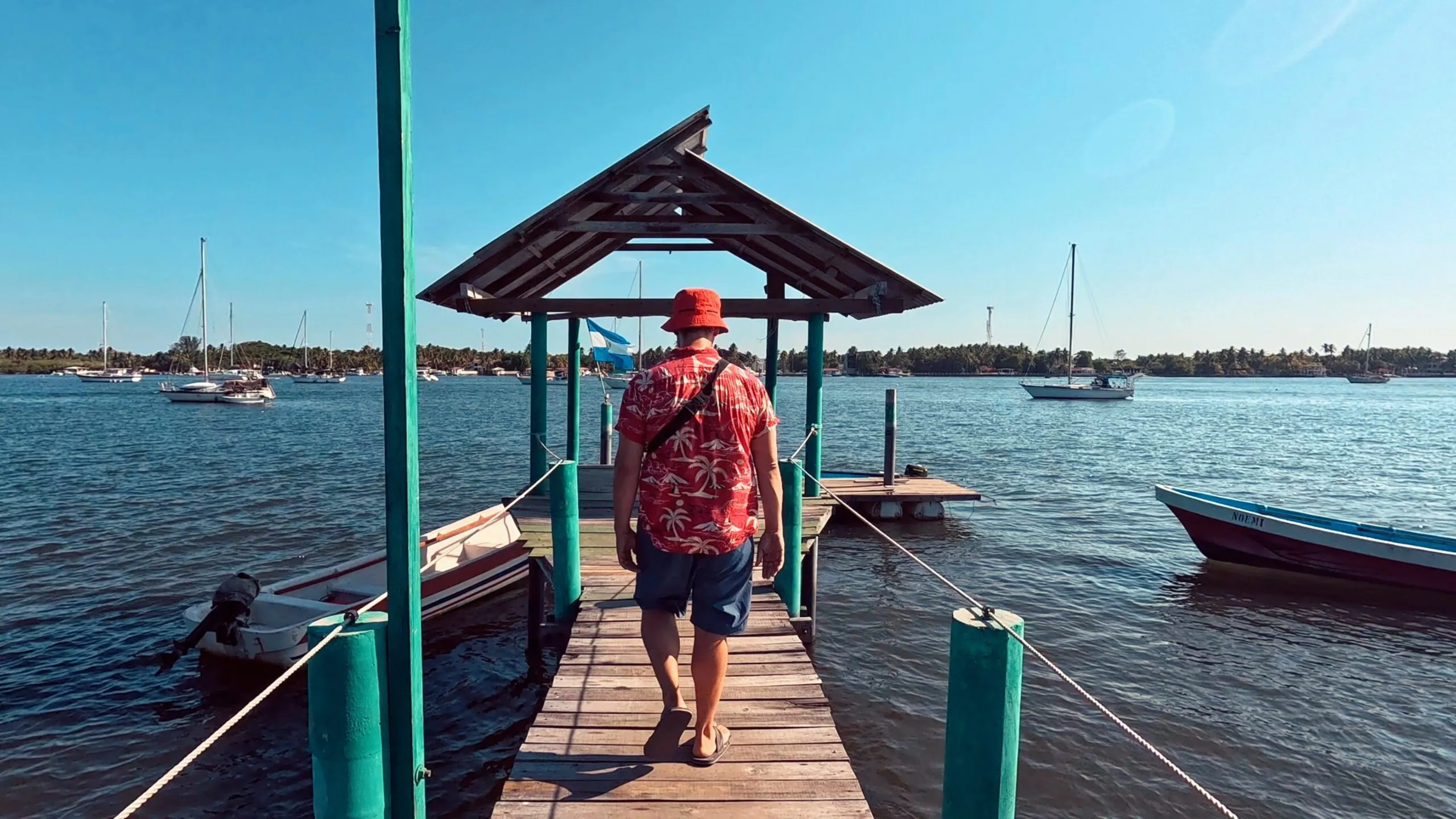
Each spring, boats along Mexico’s Pacific Coast start making their summer plans. If they aren’t crossing the Pacific, most are deciding whether to head north to the U.S. or Canada, tuck into the Sea of Cortez, or haul out for the season. But in recent years, more cruisers have begun pointing their bows south toward Central America.
While sipping sundowners in Barra de Navidad back in March, we were among them—debating what to do with the boat for summer. We’d already spent one season in the Sea of Cortez, and while marina prices there aren’t as steep as in Canada or the U.S., they were still more than we wanted to pay for five or six months. The idea of exploring somewhere new made sense. But would El Salvador live up to its reputation as a “cruiser’s vacation”? And more importantly, would it be a safe place to leave the boat?
We were about to find out.
Why El Salvador Made Our List
Some of our friends were continuing south all the way to Panama, but with work obligations, we needed a stationary base for the summer. Dodging squalls and constantly changing anchorages wasn’t an ideal option. Neither were the pricey marinas or uncomfortable anchorages Costa Rica is known for.
El Salvador, on the other hand, sits in a relatively protected position on the Central American coast. The country rarely sees direct hurricane impacts, and the estuary anchorage we were considering sits miles inland, sheltered by mangroves and well protected from ocean swell. The calm water and secure, inexpensive moorings checked every box for our summer plans.
The Anchorage and the Bar Crossing
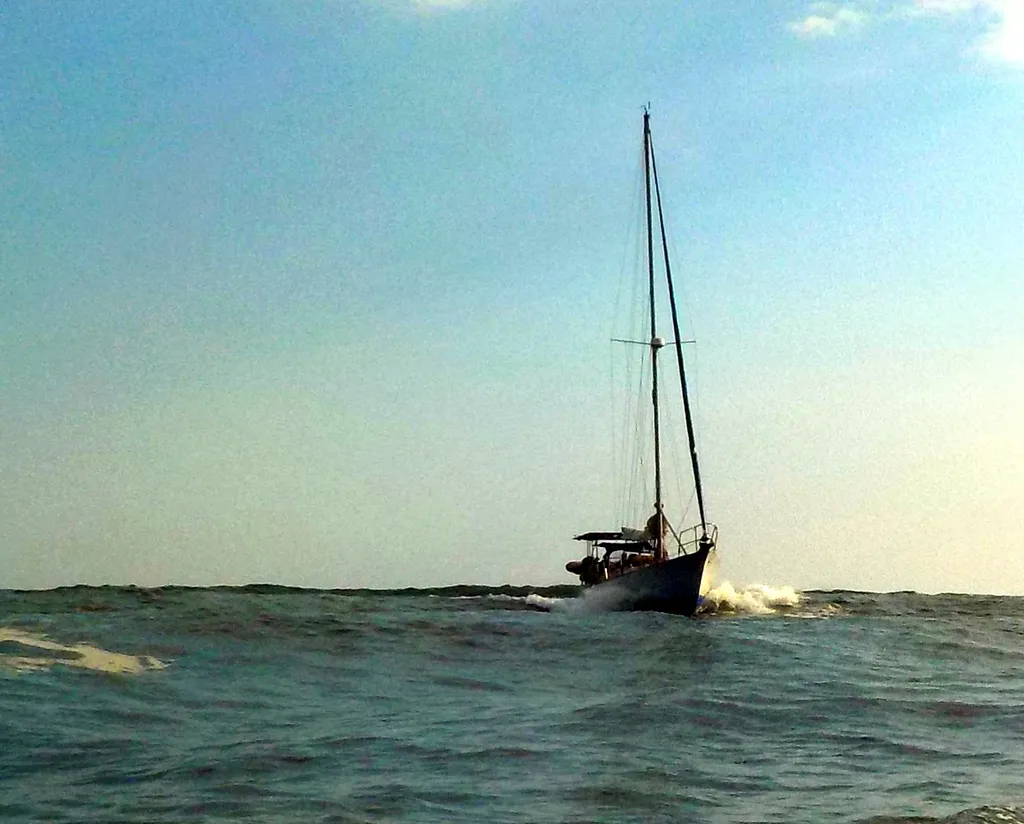
Getting into the anchorage, however, is not straightforward. Most cruisers on the West Coast have heard of the Bahia del Sol bar crossing. Some might even call it infamous. All crossings need to be arranged through Bill, the local mooring field owner, and main contact for cruisers in Bahia del Sol.
In the past, conditions have ranged from glassy calm to downright sporty. Unfortunately, a boat was lost during a crossing in 2024 after losing its keel. Since then, new safety measures have been introduced, including strict limits on swell and tide height and frequent mapping of the shifting shoal.
Even so, it’s ultimately up to each captain to decide whether to make the run.
Name Location Contact Notes
La Palma Moorings Bahia del Sol [email protected] Bill and Jean are the main contact point for all things cruising in Bahia del Sol. He has access to carpenters, fiberglassers, painters, mechanics, etc. He also arranges the pilot boat. Contact Bill for scheduling all bar crossings.
Dany's Services Bahia del Sol WhatsApp: 503-7694 9776 Bottom cleaning, water delivery and dinghy builder.
Marinsa Bahia del Sol and San Salvador Local chandlery with outboard sales. Two locations: Bahia del Sol and San Salvador
Hans Bahia del Sol WhatsApp: 503-7304-1357 Car rentals.
Bahia del Sol Marina Resort Bahia del Sol [email protected] Hotel and marina. Dinghy dock and garbage. Mooring users can access facilities for a small weekly fee.
When our turn came, we waited nervously outside the surf line, watching waves break across the horizon as the pilot boat approached. Bill’s voice came over the VHF: “It’s going to be a little sporty.” That was an understatement.
With Mark at the helm and me holding the throttle at max speed, we followed Bill’s instructions and surfed two big waves straight into El Salvador. The “ride” lasted less than two minutes, but it got our adrenaline pumping. Mark still swears the Newport, Oregon bar was worse.
Once inside, things shifted quickly from tense to welcoming. We tied to the dock, were greeted with cold drinks, and whisked through on-site immigration. Visas were free for 180 days, and the boat fee was just $1 per day while in Salvadoran waters.
The Bahia offers several mooring options: the main marina at Hotel Bahia del Sol, a few smaller marinas that sometimes accept transients, anchoring in good mud holding, or the option we chose—one of Bill’s mooring balls (locally known as Bills Big Balls). At around $170 per month, the moorings are well maintained and regularly inspected.
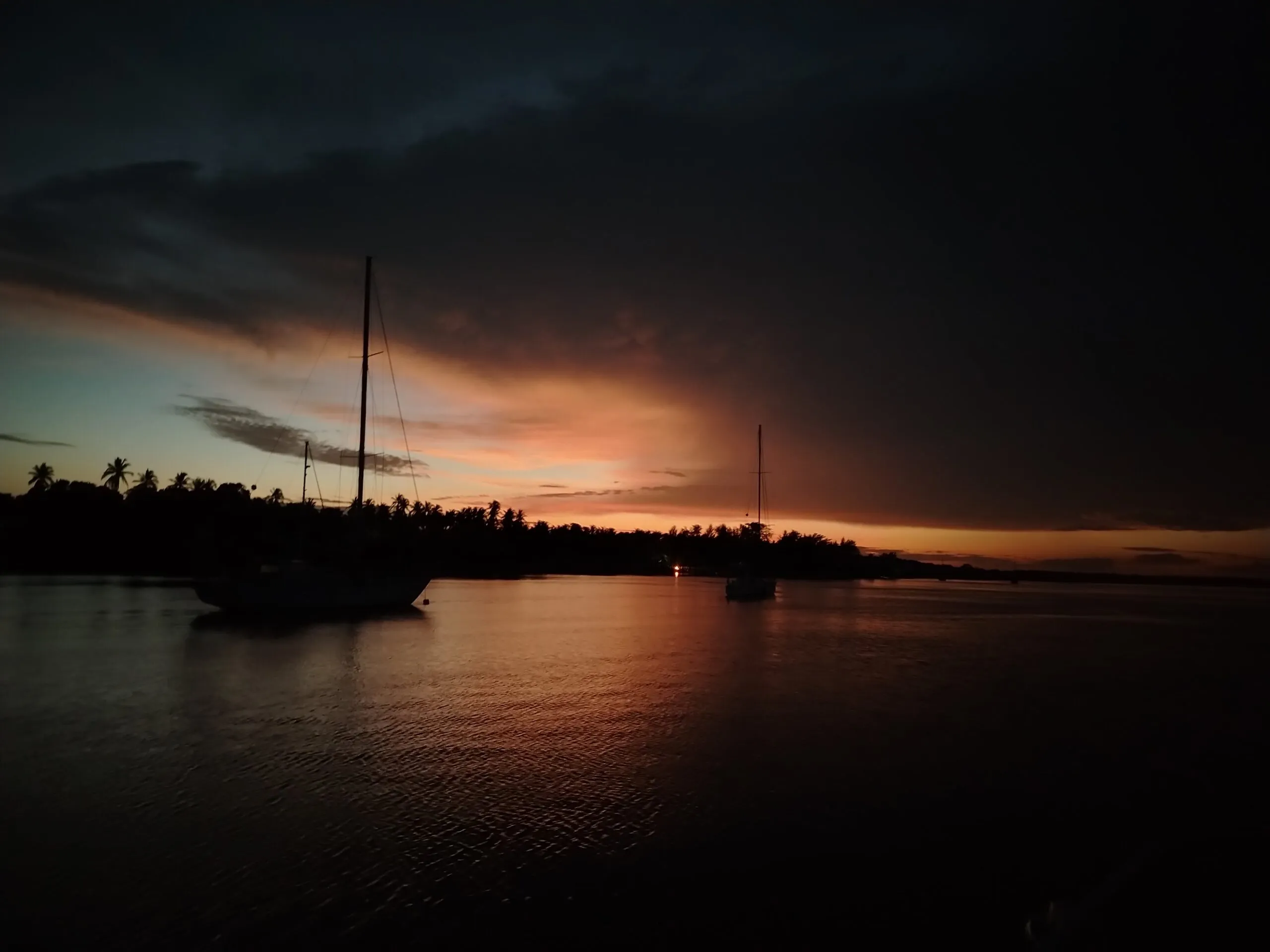
Because the anchorage lies a couple of miles inland from the bar, there’s no ocean swell. The only motion comes from passing boats, which can get busy on weekends, but never enough to be a deal-breaker.
Why We Loved El Salvador
Boatwork
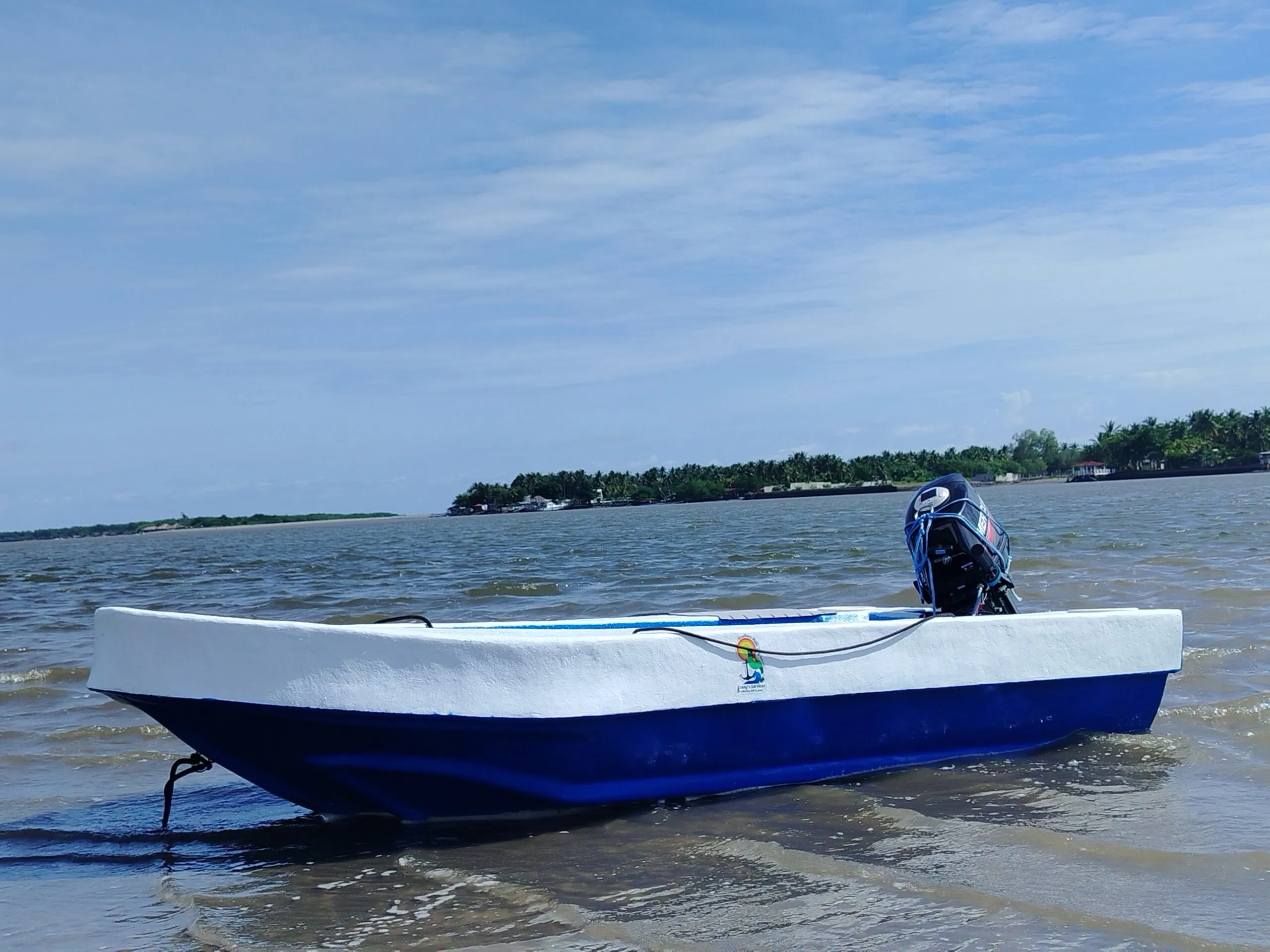
Even though we had hauled out less than a year before, we had a few lingering projects that a calm anchorage would make easier.
While there isn’t a large boating industry here, a small marine shop and several skilled locals provide everything from bottom cleaning and woodworking to gelcoat repair and painting. We hired a local carpenter to build a new gimbaled oven cabinet and had the bottom cleaned regularly. All at very reasonable prices.
When our old inflatable dinghy finally gave up, we decided to have a fiberglass one built locally. Over three weeks, a local named Dany brought Mark’s vision of a hard dinghy to life. It’s custom built, strong and will suit our needs for years to come.
Beyond Boatwork
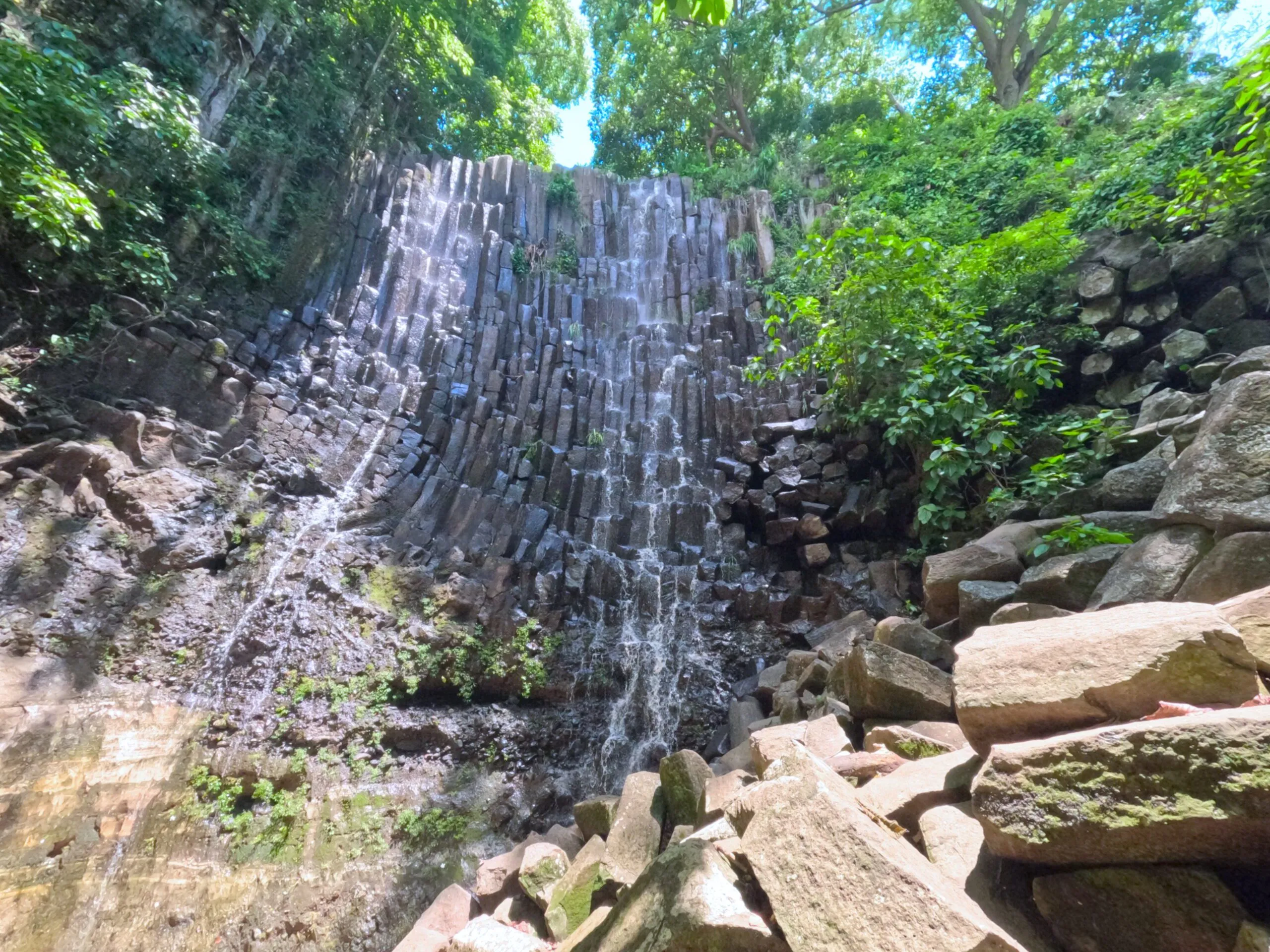
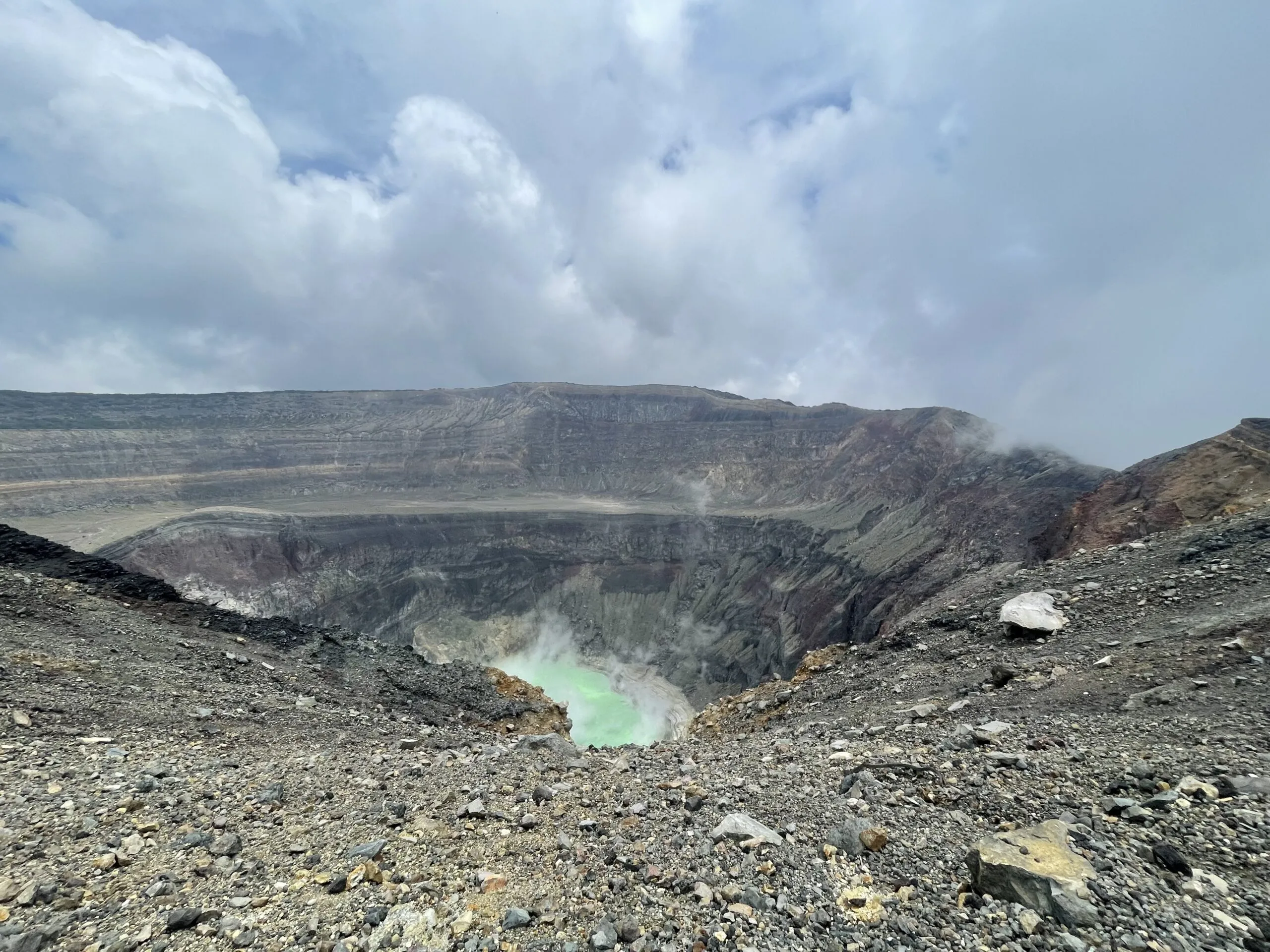
El Salvador is a small country, which makes exploring easy. We took two week-long road trips to visit mountain towns, coffee plantations, volcanoes and the famous Surf City. Car rentals were inexpensive, about $25 a day, so we also did frequent day trips to places like Puerto del Diablo, historic San Salvador and the village of Panchimalco.
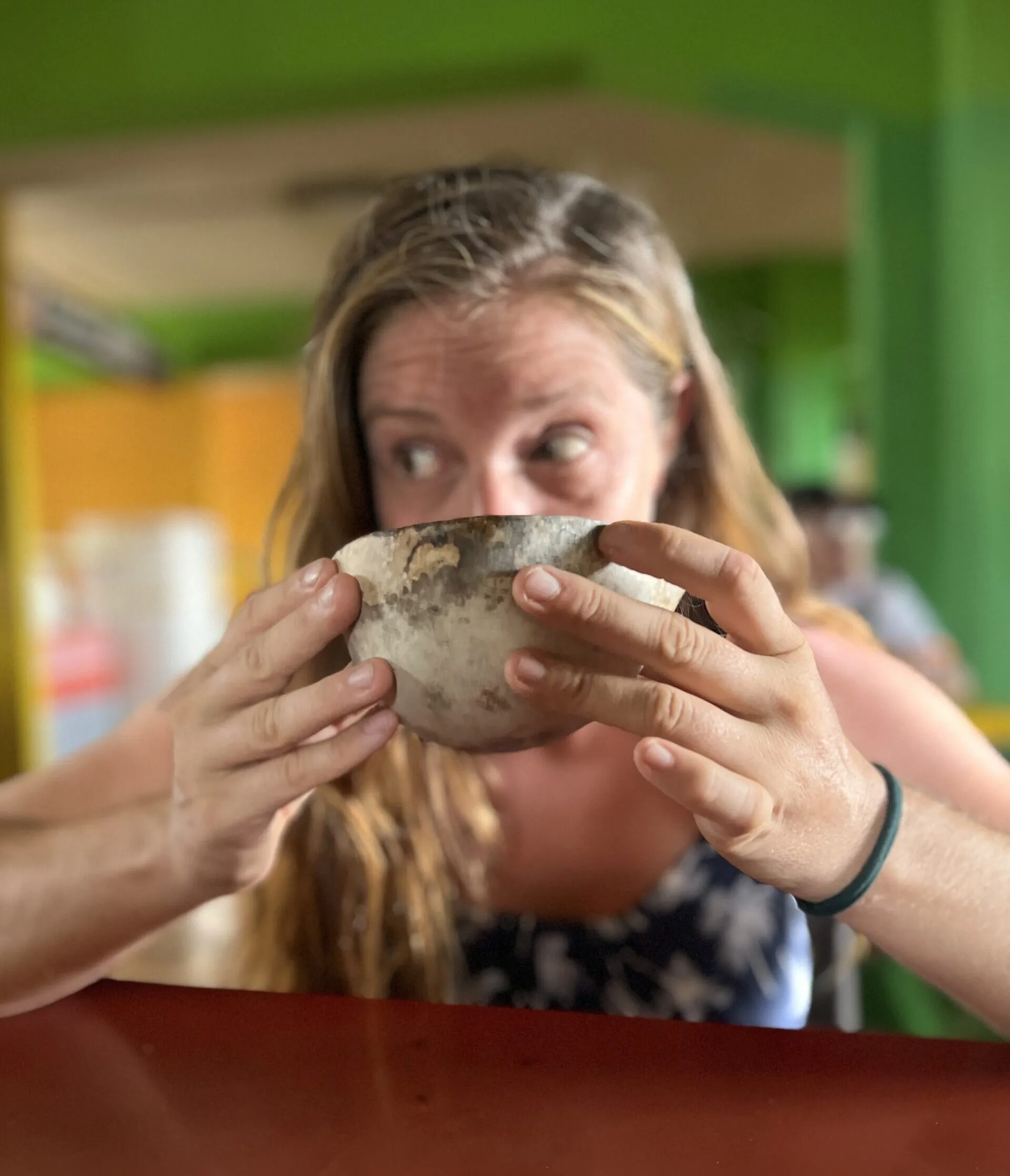
Back in the Bahia, life moved at a different pace. There are no big stores or nightlife, just small local shops and family restaurants. The weekly pupusa night, organized by Bill and Jean at their home on the nearby island, quickly became the highlight of our week. A local woman made fresh pupusas each Saturday night and they easily ranked as the best we’ve had anywhere.
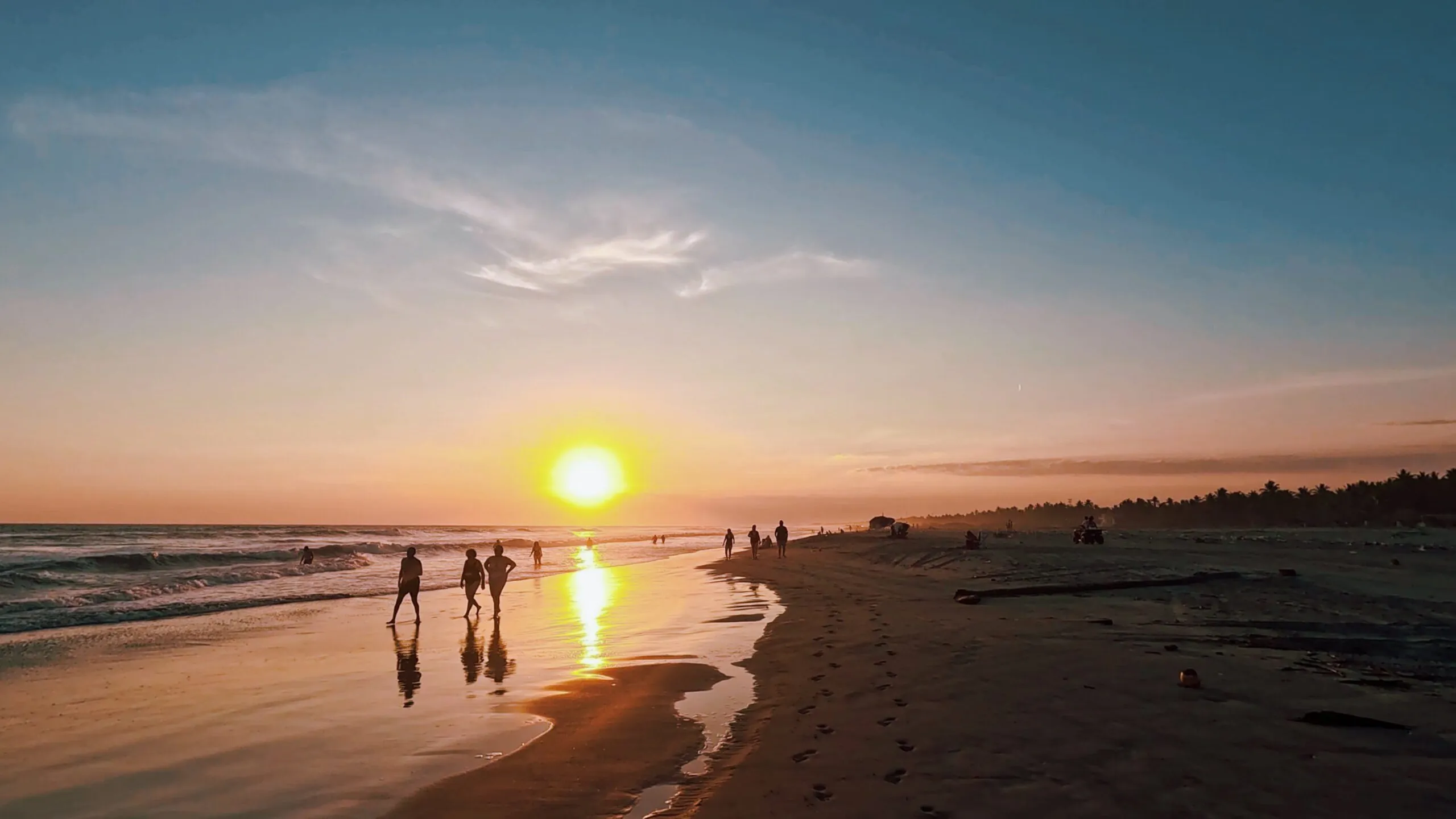
When we weren’t socializing or playing pickleball with locals, we took long beach walks, lounged at the hotel pool ($15 per boat per week for access), or explored the maze of mangroves by dinghy.
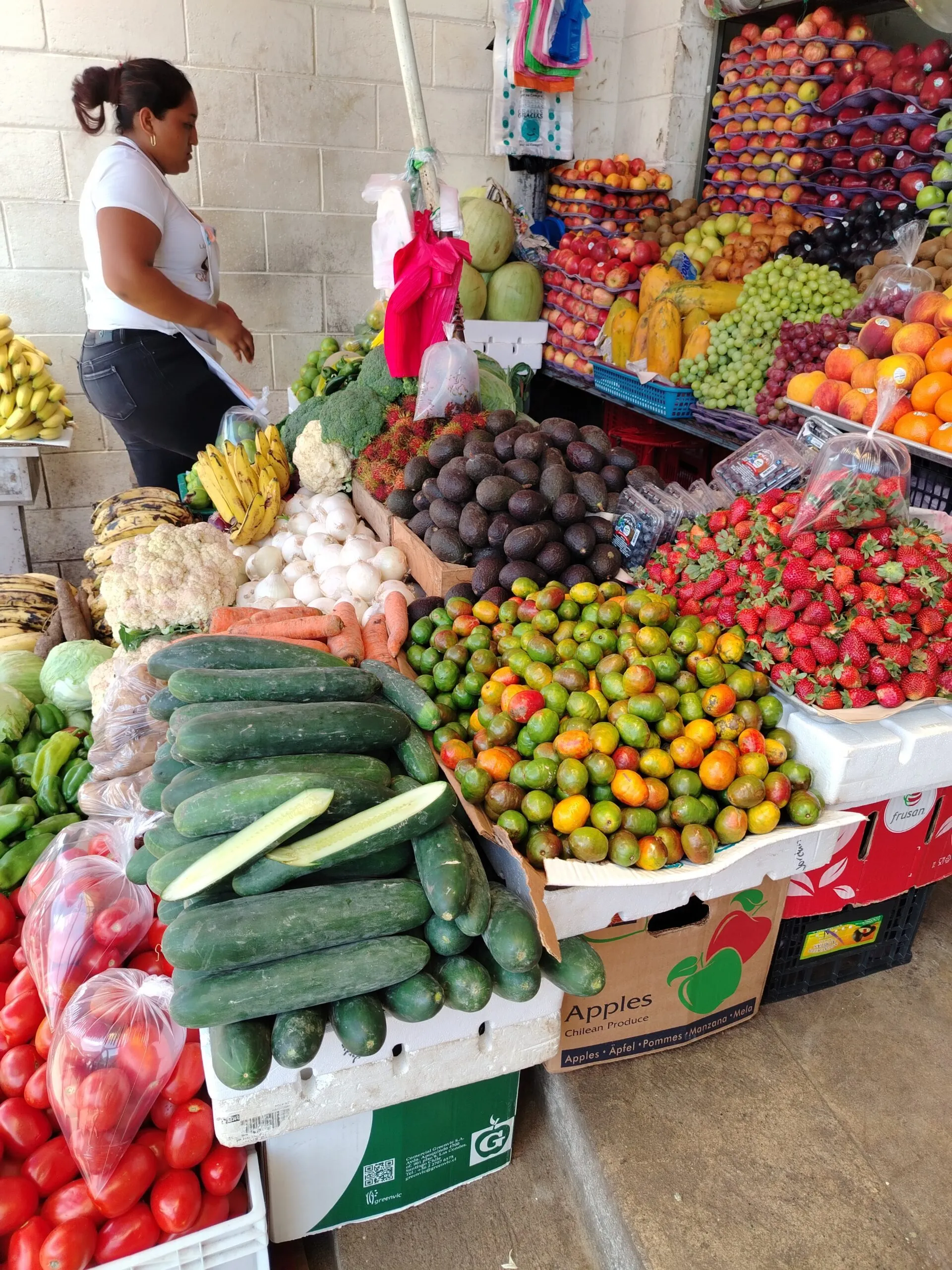
For groceries, we preferred a small open-air market upriver in Herradura over the chain supermarkets in the city. The produce was fresher, cheaper, and the vendors always helped pick the best ones.
The Things We Could Live Without
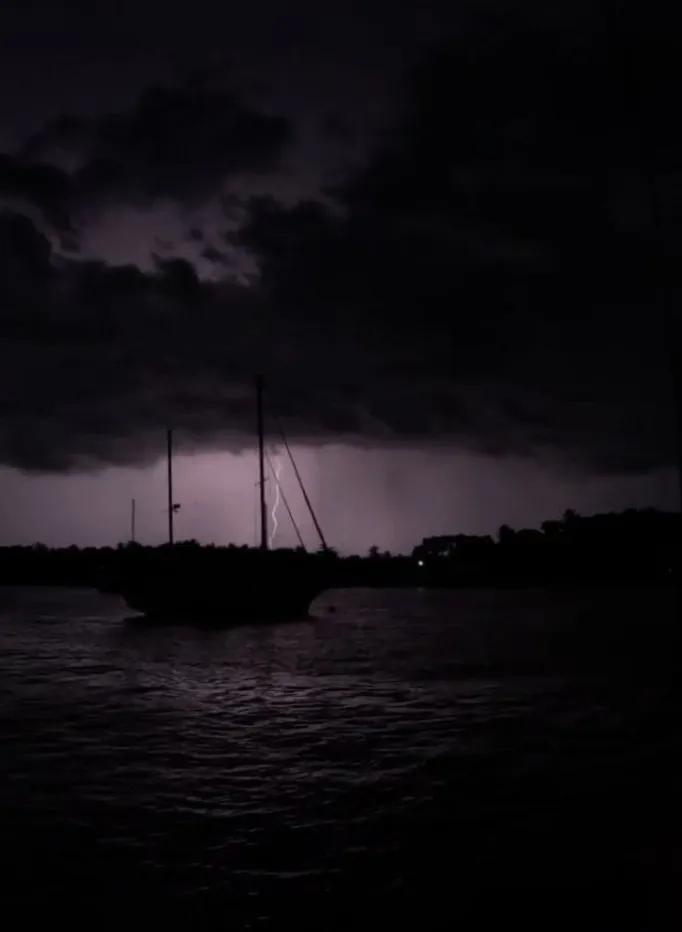
Of course, no place is perfect. For us, the challenges were storms, lightning, heat, and—if we’re honest—occasional boredom.
Uncomfortable Weather
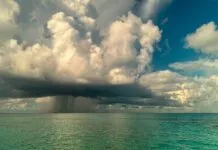
While El Salvador is below the main hurricane zone, it’s not immune to tropical weather. Rainy season brings squalls, and the rain is unlike anything we’d seen before. When it pours, it’s often several inches in under a few hours. We quickly learned where every leak on board was.
The wind could be fierce, too. Our highest gust over the summer hit 50 knots, and one anchored boat drug into the mooring field during a squall, though locals were quick to help move it to safety.
Lightning
Like many Central American countries, El Salvador gets its share of lightning activity. Most nights it was just a show in the distance; and occasionally it was uncomfortably close. We were unlucky recipients of an electromagnetic pulse from a nearby lightning strike. The pulse affected most of our navigational electronics, but we had insurance, and the company was quick to respond. We knew it was a potential risk sailing in these latitudes over the summer season.
Heat and Humidity
For a few long weeks, the heat was relentless. Humidity was high, and without an air conditioner, sleeping was nearly impossible. We finally bought a small portable unit, and it made the summer bearable.
Boredom
And while the slow pace was refreshing at first, it sometimes became monotonous. Bill had warned us there wasn’t much to do locally, and he was right. To break up the routine, we started renting a car weekly for small adventures. An excellent way to beat the heat and boredom alike.
Practical Tips for Those Considering It
Looking back, there are a few things we wish we’d known before arriving.
Language
Unlike Mexico, you can’t rely on English. Knowing basic Spanish is a huge help. Locals are friendly and patient, but daily tasks like organizing transportation or buying materials go much smoother if you can communicate.
Cash
El Salvador uses the U.S. dollar, but cash is king. We made the mistake of arriving with very little and quickly discovered most places don’t take cards. The nearest ATM is a 30-minute bus ride away.
Timing
Plan to stay for a while. The bar crossing depends on tides and swell, and in summer the windows for safe entry or exit are limited. Coordinate with Bill, who manages the pilot vessel and tracks bar conditions daily. His experience is invaluable.
Preparation
If you plan to do boatwork, bring any specialized supplies you might need. While local help is skilled and affordable, materials and parts can be limited and some are quite pricey.
Food
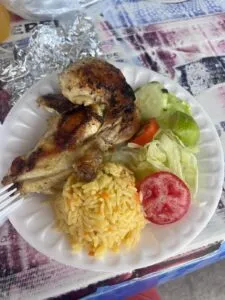
Coming from Mexico, you might expect spicy food and tacos. Think again. Food is basic and not spicy, but far from flavorless. You can expect pupusas only in the morning or evening, not at lunch. Locally, fried boca colorado or snook is common as well as grilled chicken or beef platters. Grocery-wise, seasonal vegetables are incredibly inexpensive but some common U.S. ingredients can be difficult to find.
Is It Worth It?
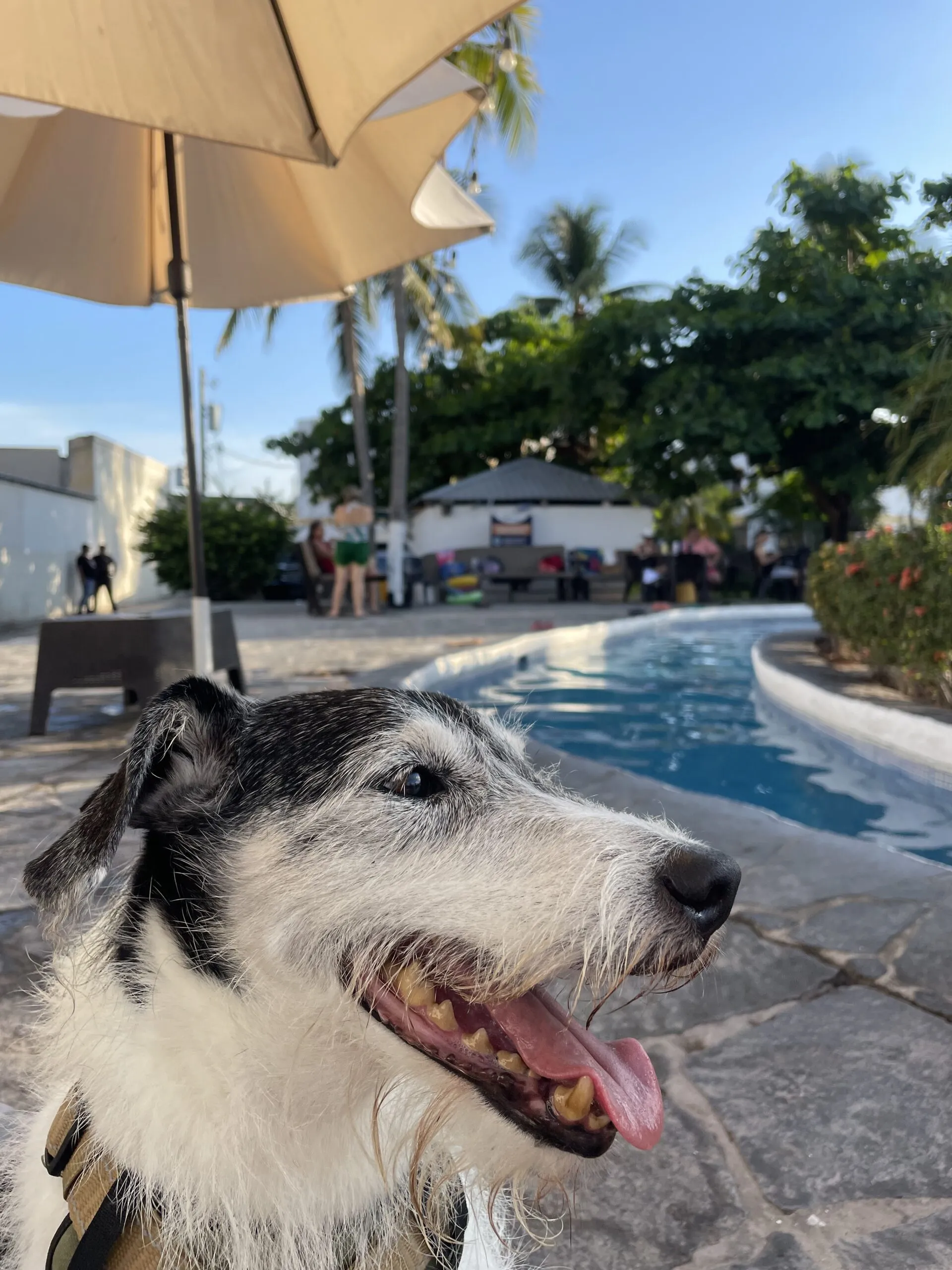
Despite the lightning, storms and months of heat, we’d do it again. The anchorage felt safe, the locals were welcoming, and the slower pace gave us time to reset and explore. At the end of our six month stay, we were ready to get moving again. It’s funny how we originally planned to use El Salvador as a staging point to continue south and possibly through the canal. However, life had other plans. We loaded up our newly adopted beach dog, along with our senior dog, and pointed the bow back to Mexico with a new set of cruising ideas. While our future is looking out into the horizon, we’re excited to enjoy the easy living in Mexico for another year.
The secure mooring allowed us to travel inland without worrying about the boat, and every local we met seemed genuinely proud of their country. From market vendors who insisted we try all the local fruits and vegetables to people we met on the street, everyone wanted to make sure we were enjoying the country.
We left with repaired gear, new friends, a better understanding of El Salvador—and even a furry souvenir who adopted us partway through the season.
For sailors willing to trade surf crossings and sticky humidity for a quiet estuary and a warm community, El Salvador might be the best hurricane refuge you’ve never considered.