

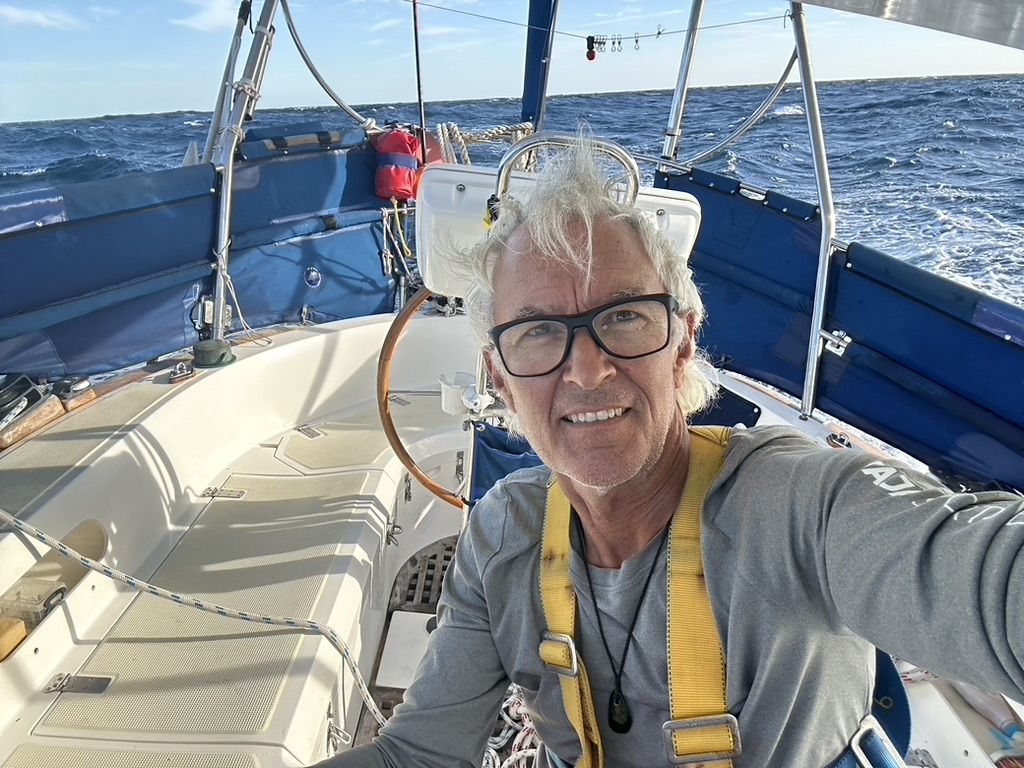
The world is chock-a-block full of stunning, postcard-worthy cruising destinations. But pleasant aesthetics and comfort didn’t guide my good friend Bruce Maunsell. Instead, he chose to sail a circuit to find his challenge and utopia. Bruce decided to sail a Pacific loop starting from New Zealand in 2023 and heading north to Japan, before crossing the North Pacific to Canada, down the west coast of North America to Mexico, and back to New Zealand. It was a 25,000 nm loop that, for many, would be a once-in-a-lifetime achievement.
But this voyage wasn’t only about the landfalls and the destinations; it was an adventure into an internal relationship that yearned to be deepened. Most of the time the destination was where he was at any given moment at sea. His focus was his relationship with Bob (his boat), and the ocean.
Ocean DNA
Bruce grew up in New Zealand. He’s part Māori (MAH-or-ree), the tangata whenua, or people of the land, who are the descendants of the Polynesian settlers who arrived in New Zealand 700 years ago. His connection to the ocean reflects the seafaring heritage and relationship the Māori and Polynesians have with the ocean and exploration. It is this relationship, this connection to the ocean and exploration, that Bruce not only lives and breathes in current times, but one he is also innately and inextricably intertwined with. It’s in his blood and in his DNA, and this relationship and love is cast in centuries of ocean wisdom. This is the internal relationship that called for his full attention.
New Zealanders think of the Pacific Ocean as their backyard. A playground or a watery, blue forest that’s there for them to explore, use and become one with. These were the impetuses for Bruce’s sojourn, and the reasons he continues to return to the ocean. It’s not just about the exploration of the planet nor the relationship between himself, his boat and the ocean either. This voyage’s purpose was to find what it meant for Bruce to be a solo sailor. To learn what that feels like, and how it would translate to his internal growth.
Bob the Boat
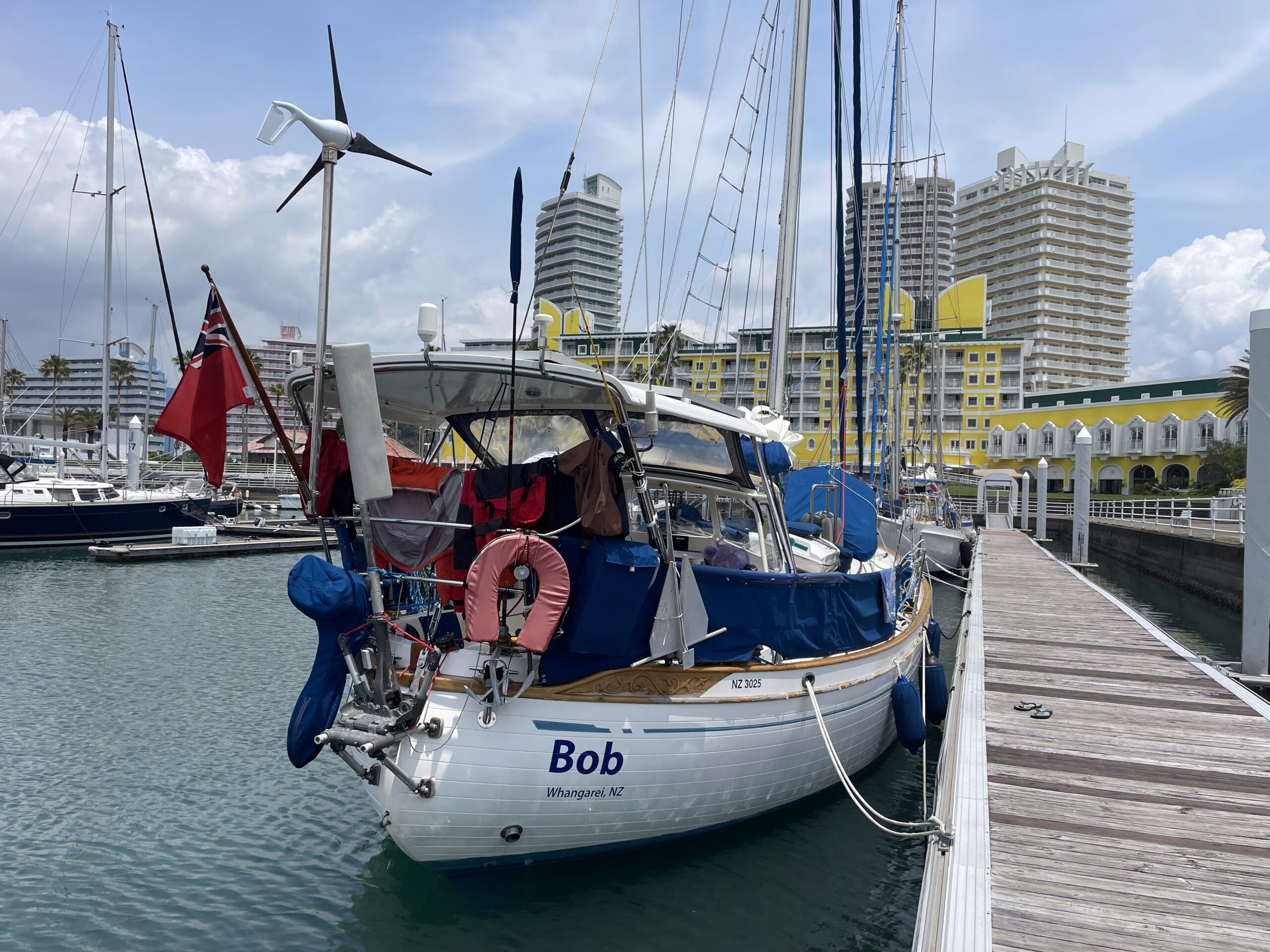
At this point I should introduce Bob. Bob is a Robert Perry-designed Tashiba 40. He has a custom hard dodger, is in very good condition, and is quite well fitted out for ocean voyaging. The Tashiba 40 in general is a sure-footed, full-keeled ocean voyager with a distinguished pedigree. Many Tashiba 40s and their sisterships, the Baba and Panda 40s, have circumnavigated the earth.
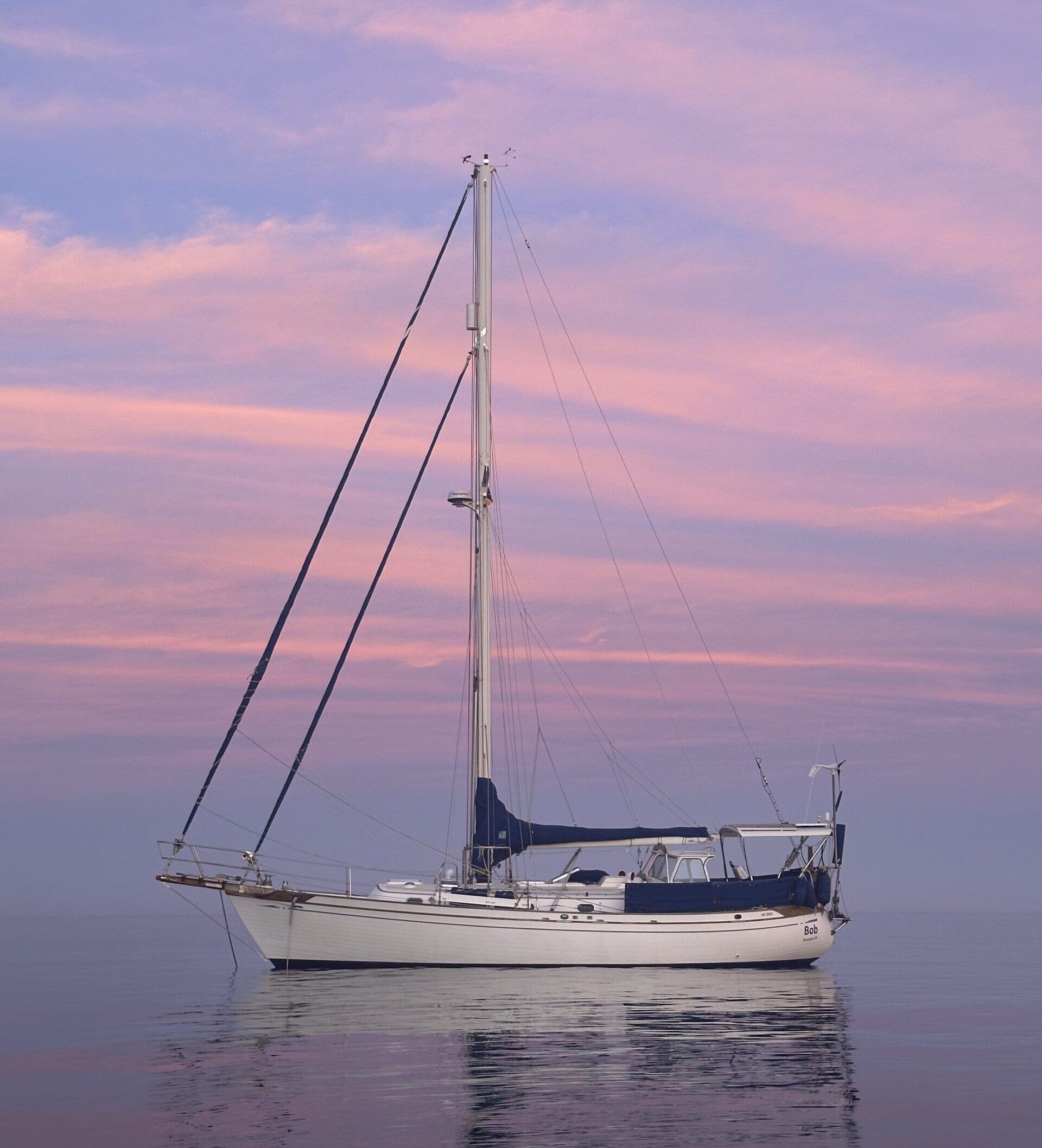
Interestingly, Bruce has a fear of being “in” the water. He still gets in to keep an eye on Bob and do what needs to be done, but it’s not his natural surroundings. His comfort with being “on” the water, however, is innate. It is his “natural joy,” or his “place in the world.” However we want to put it, when Bruce is sailing, he is one with the ocean, one with his boat, and at peace—the holy trinity of sailing.
Away from the Chaos
Conversely, and maybe not so surprisingly, he’s not particularly comfortable in an urban environment. He doesn’t like crowds, and he’s claustrophobic in a city. His feelings about humanity’s path to civilization and their development of huge, sprawling cities isn’t necessarily how Bruce believes we were meant to live. Being out at sea is his way of getting away from that urban posture, which large city populations represent.
Leaving that paradigm and moving into a more deeply sensitive, aware and timeless existence is what exalts him. Says Bruce, “You’re either somewhere in the chaos on land, thinking about going where you have to be, or you’re on your way somewhere that you’ve got to go.” When he’s at sea he’s free from those thoughts, constraints and demands.
For his liking, the middle of the voyage is where time really begins to fade. A week or more out from the beginning of a voyage, and still a week or more away from the end is where, for Bruce, the true voyage begins. This is where he begins to “live in the moment.” It’s where the joy and reward exist together; it’s all and only the “nowness.”
Power Struggles in the Pacific
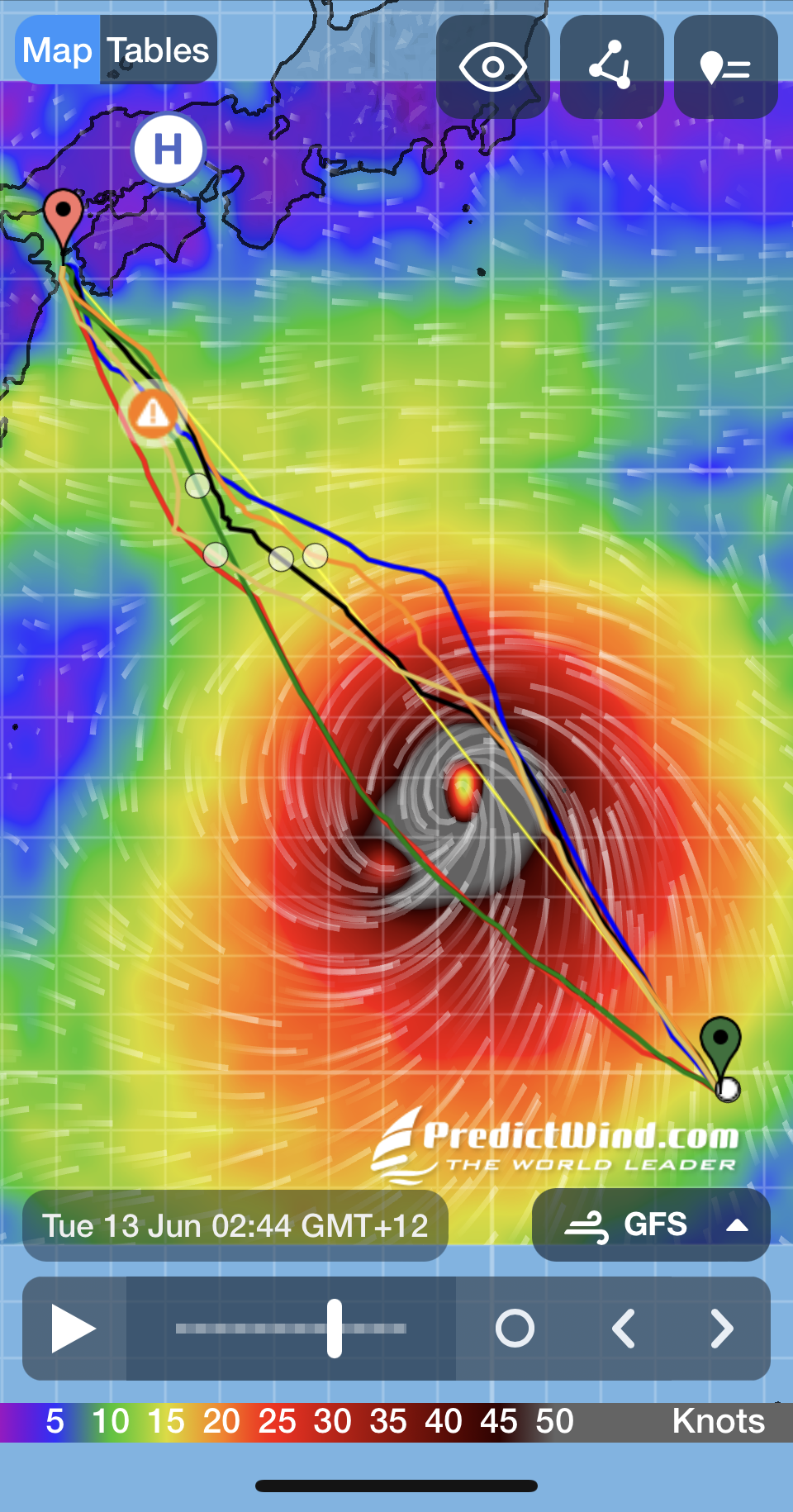
It wasn’t all a joyful, esoteric, uneventful sail, however. During his second big crossing, the one from Japan to British Columbia, Bob‘s engine stopped. It began to experience fuel issues which persisted for much of the remaining voyage, all the way past French Polynesia, when they were finally resolved. The engine would run for a bit, but it wouldn’t stay running, which made crossing the North Pacific difficult.
Crossing the North Pacific isn’t a particularly pleasant sail even in the best season. It’s often foggy, overcast, completely cloudy or raining, and all of these conditions make the solar power generation either difficult or impossible. The engine is a sailboat’s auxiliary power source, and it’s not just for making way; it’s also very important for generating power and charging batteries as well.
Without the engine and adequate solar production, all the electronics, navigation equipment, and refrigerator could shut down. So conserving power became a crucial exercise during this crossing of over 6,000 nm.
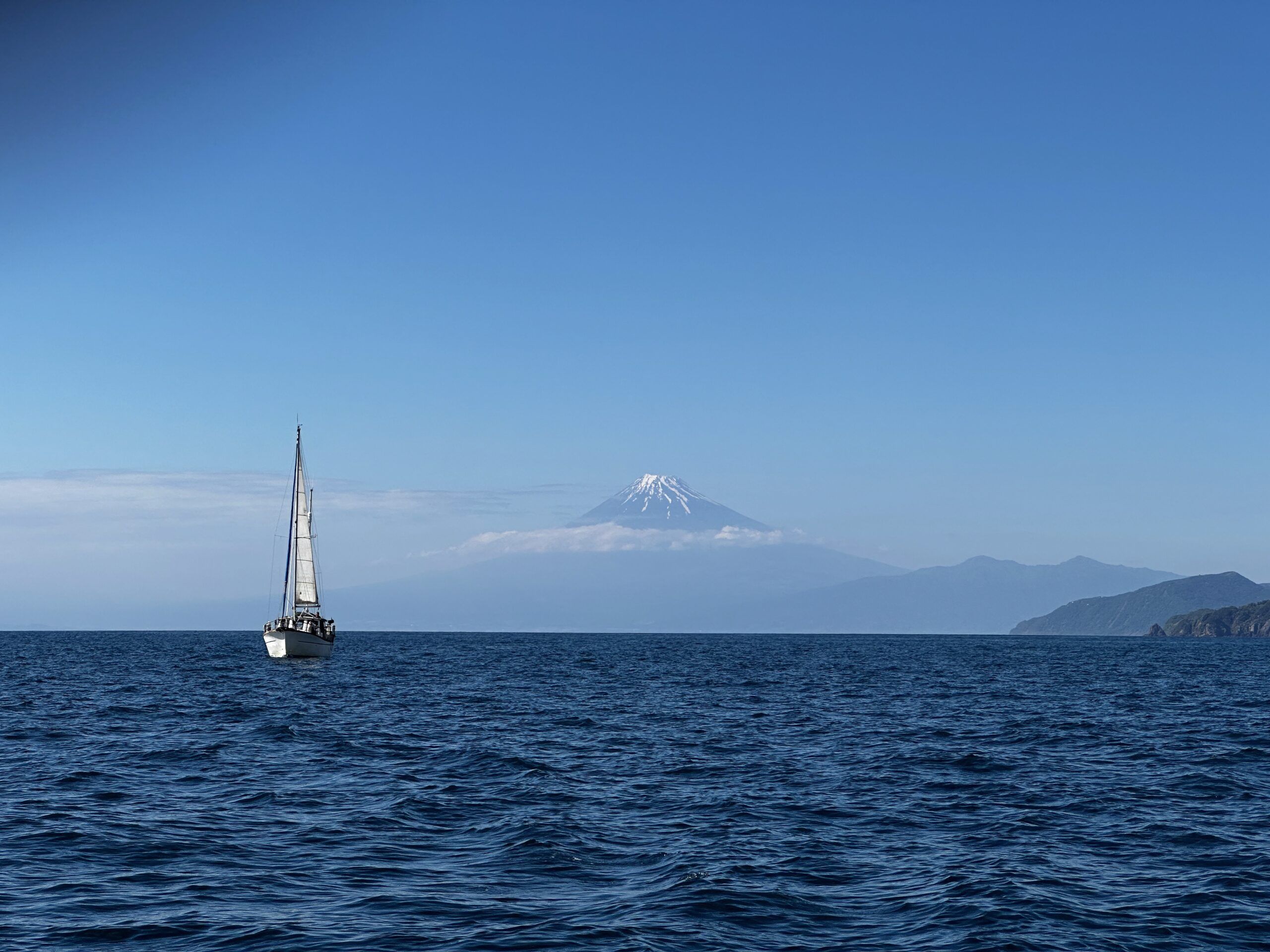
Bruce carries a sextant, but in conditions with limited visibility due to fog, rain and clouds, both taking sights and seeing other marine traffic becomes difficult at best, and can be downright dangerous. No power means no radar, no GPS/chartplotter, and no connection to the outside world, which also means no ability to send an SOS. With no electronics, one is completely alone, isolated in the middle of the ocean. Fortunately, Bruce and Bob were able to stay powered up, but it was a tenuous 6,000 nm and 42 days.
Shroud Failure
Bob also had a lower, forward shroud fail during a particularly rainy, cold night. Bruce had to prepare a piece of Dyneema for an emergency replacement, climb the ratlines to the spreaders in the rain, at night, with glasses on, and affix the new temporary shroud to the tang. He then fastened it to the turnbuckle and tensioned it with a makeshift tensioning bar. It wasn’t an easy job, but the crisis was averted.
Prop Seal Failure
And if this wasn’t enough to endure during this passage, Bob‘s “drip-less” prop seal also gave up the ghost and needed to be replaced. It started dripping at first, then turned into a full-blown leak at the alarming rate of about a liter and a half a minute, which even under normal circumstances would be disconcerting, but could be contended with via the bilge pumps.
However, with limited solar production and an unreliable auxiliary engine, the power needed to run the bilge pumps was severely threatened. So on a sinking boat with low power production in the middle of the north Pacific Ocean, and with a threatened connection to the outside world, is where Bruce and Bob found themselves.
To replace the seal was a serious job, and one that needed to be done right the first time—opening the seal meant water was going to gush in at a disconcerting rate. To top that scenario off, the shaft was located deep in a narrow access to the bilge through the quarter berth. Bruce, who is claustrophobic, had to hang half his body into a tight space of about 18 in. x 15 in. to remove the seal and replace it with the new one, and quickly.
The sea state wasn’t terrible but it wasn’t flat calm either. He rehearsed the procedure several times before going for it, and in complete darkness, with water gushing into his face, he made it happen. It took him about 30 minutes, but the job was complete, done well, and Bob was no longer sinking. Afterward, Bruce sat down and had a couple of long, well-deserved drinks of rum to recover.
Solo Confirmation
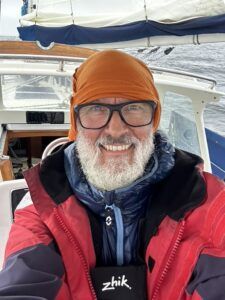
“It wasn’t a transformative sojourn,” Bruce admits. “It was more a confirmation.” His lifelong pursuit of the ocean and sailing transformed him a long time ago in regards to his feelings and attitude towards a modern, busy world and its urban development. The confirmation was about his desire to be alone with the sea, his boat, and his thoughts, or lack thereof. It was about being a solo sailor, and all that lifestyle entails—what that life is like and what it means in the long run.
“There are no time restrictions at sea. You can pursue your thoughts or let them go. There’s time to think deeply about things, or you can just be with the ocean and your boat.” He spent a lot of time writing, thinking and not thinking. Of course he also spent a lot of time being alert, looking after and sailing Bob, and taking care of the things needed to maintain a safe voyaging posture at sea. Those things that keep you mentally and physically occupied—the work, if you will.
Time to Dream
He found he could often enter a semi-dream state—he would remain connected to the moment but could also travel to other places, experiencing memories that hadn’t come to mind for many years. Thoughts about his childhood, youth and adulthood that were stored in the seed banks of his memory—when watered with solitary time at sea—sprouted. With this measure of solitude alone at sea, there was time to spend with those memories.
Away from the restraints, demands and distractions of life on land, time allowed him the possibility of contemplation. He could explore those memories, reflect on them, spend time with them, reacquaint, and really get to know them.
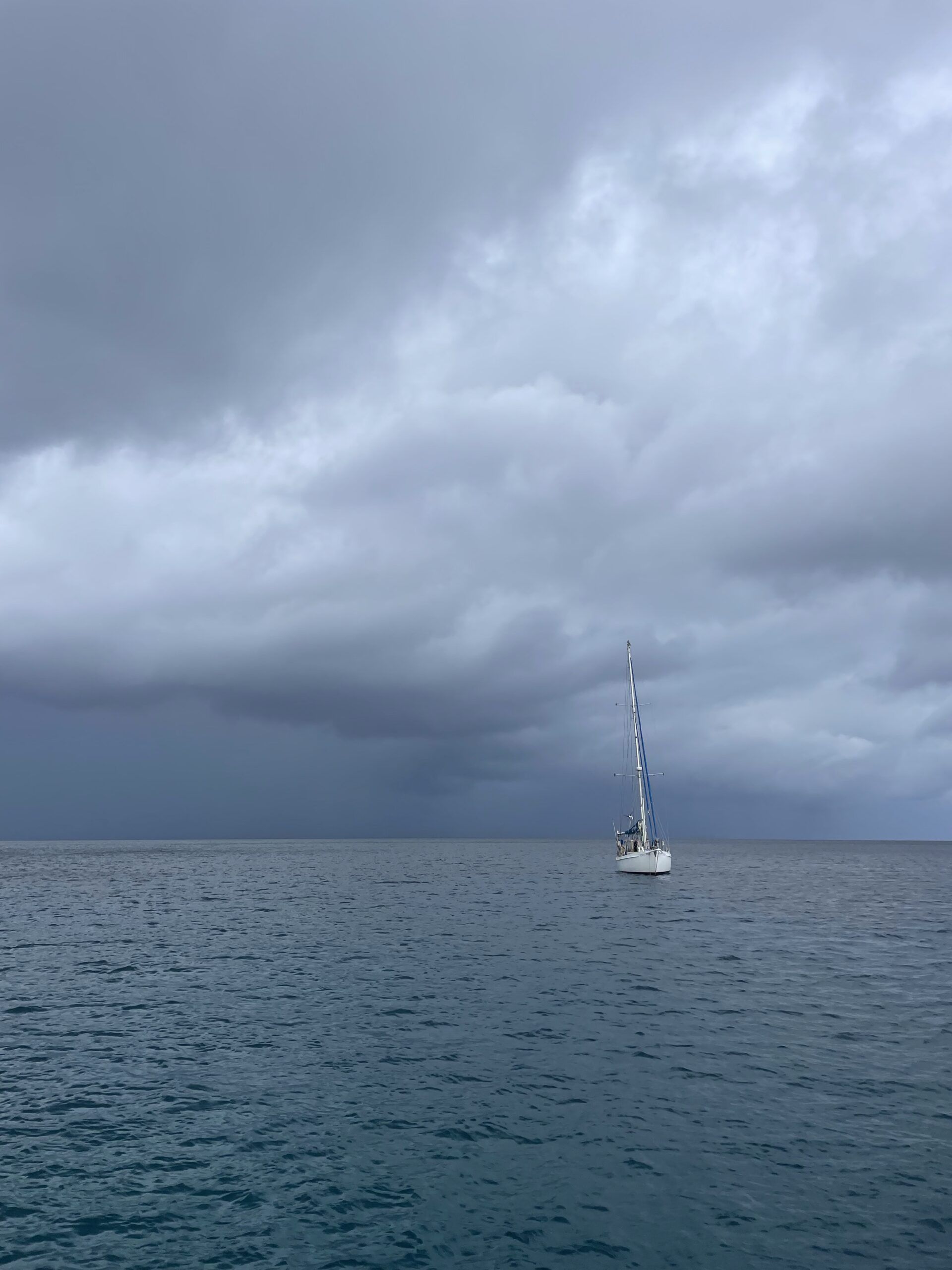
This was an opportunity not generally afforded by the hustle and bustle of everyday life on land. I almost wrote “in the real world,” and at this moment I’m wondering which of the two worlds is the real one.

“It’s a selfish existence in a sort of way,” Bruce admits. “I left my wife behind, my family behind, my mother who was of course concerned about my safety. There’s a selfishness there about this kind of adventure for sure, but there’s also a singularity that you can’t find unless you head off into the wilderness.”
Leaving Land Life
I asked Bruce if the concerns of his land-based life weighed on him as he prepared for departure, or if he was solely focused on casting off the dock lines. “I wasn’t just focused on getting out,” he replied. “I carried the awareness of what I was doing and how it affected the people around me, and I needed to settle things in that regard.” His wife Melanie was completely supportive; she knew how important this voyage was to him, and wanted him to do it.
She went on her own adventures too, hiking in Australia and living and working in Europe for two years. As he puts it, “She was unselfish enough to let him be selfish.” His two sons are grown and self-sufficient, so while they were of course in thought, they didn’t need to be worried about.
Closing the Loop
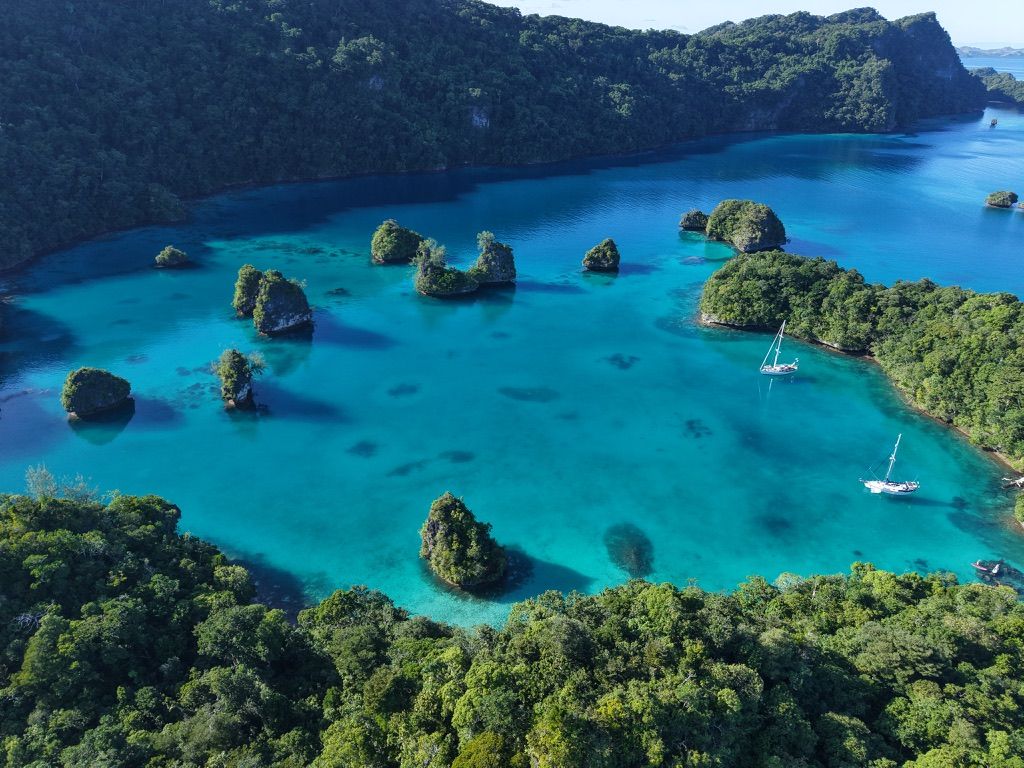
I asked Bruce if he was disappointed or saddened by his voyage coming to an end when he was leaving his last port of call in Fiji in 2025. “I wasn’t,” he said. “I was looking forward to completing the circuit, closing the loop. I had things to look forward to when I got back, and was curious to see where life was going to take me now that this experience was in my wake.”
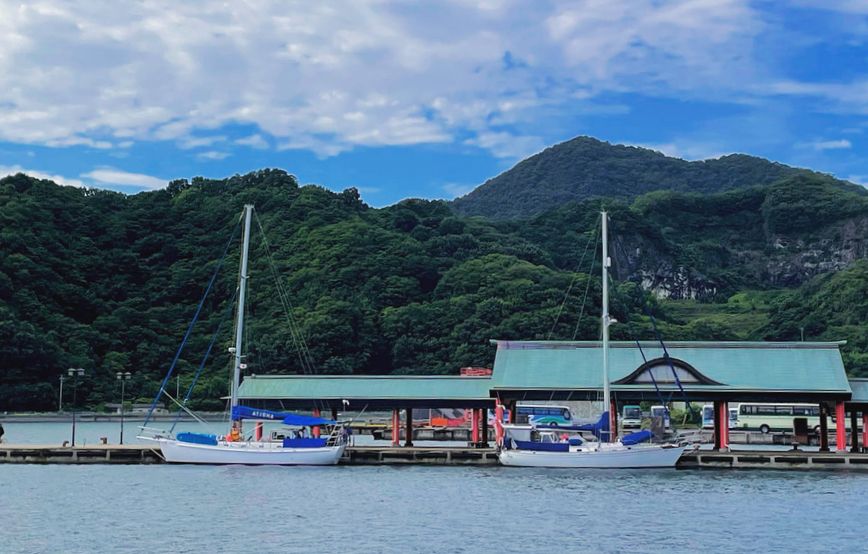
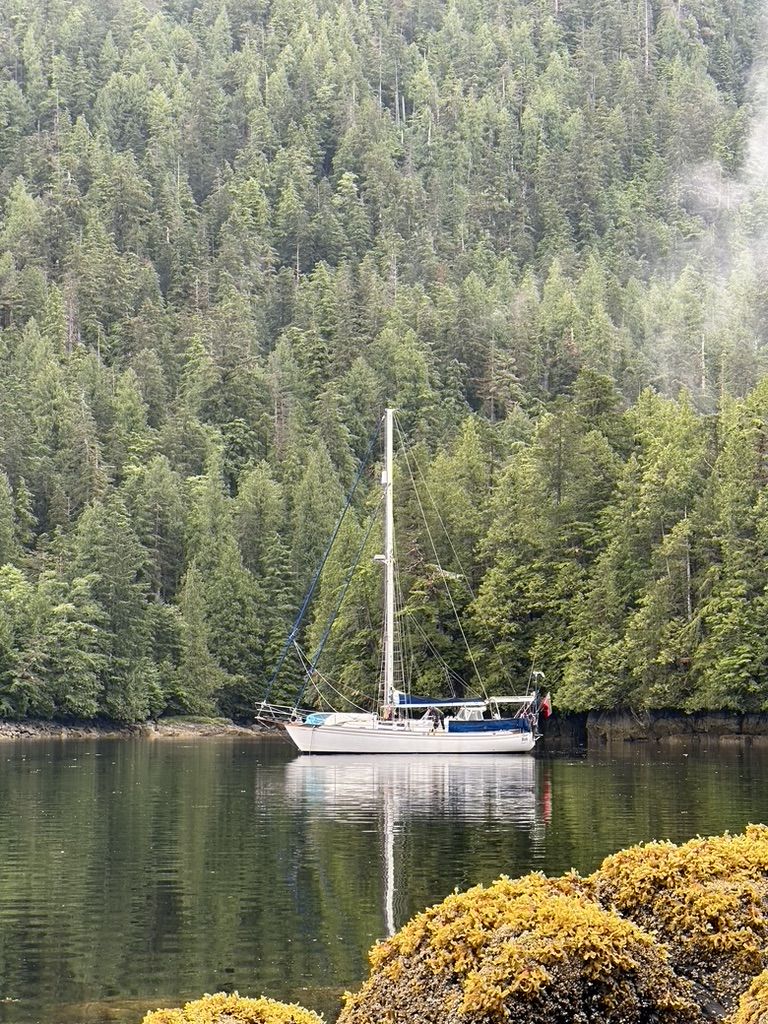
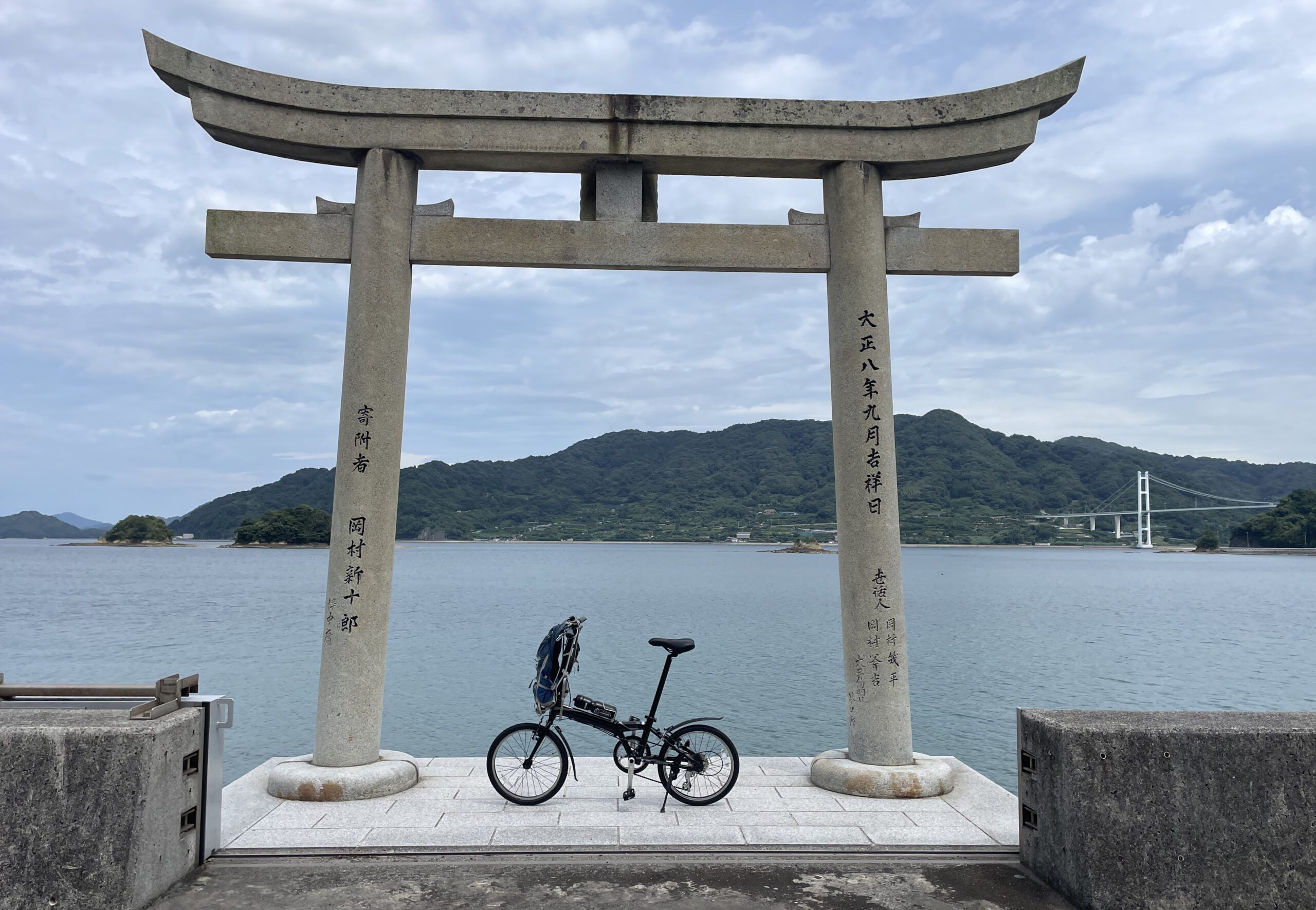
With almost 27 months and 25,000 nm under Bob‘s keel, Bruce returned to New Zealand. His trip took him to Tokyo and around Japan; to British Columbia, where he marveled at the nature, wildlife and culture that were all both surprisingly similar, yet very different from his native New Zealand. After a quick one-stop in the U.S. where he spent time in San Francisco with friends, he sailed straight to the Baja Peninsula of Mexico, where he experienced the rich culture of Mexico for the first time. He then sailed the Sea of Cortez—”the aquarium of the world,” as Jacques-Yves Cousteau called it—and saw the expanse of the magical Baja desert.
He visited the beautiful island cultures of French Polynesia and Tonga, and sailed in Fiji, which he considers to be the best cruising grounds he’s ever experienced. But talking with Bruce it’s quite clear, the most memorable parts weren’t the destinations, cultures, or people he met along the way. The most magical part of the entire sail was his time alone, with only Bob and the ocean—experiencing the serenity of time.
Weaving the Journey’s Threads
He’s been working on a book since he’s returned to New Zealand, writing from all the notes in his captain’s log and the regular blog posts he published on PredictWind. It’s a work focused more on what it means to be a solo sailor, alone with only your boat, yourself, and the ocean, and what’s it like to experience the sea from that perspective. It’s not just a travel log of the places he visited and the cultures he experienced. Rather, it’s a travel log of his inner journey and how those experiences work in the psyche of someone alone at sea for extended periods.
He’s found it quite rewarding reliving those moments as he works on his book, but it’s also been interesting to see them from the perspective of who he is now back at home in New Zealand, as compared to what he was thinking while he was at sea. We’re curious to find out more about those thoughts and emotions when his book comes out.
A Celebrated Achievement
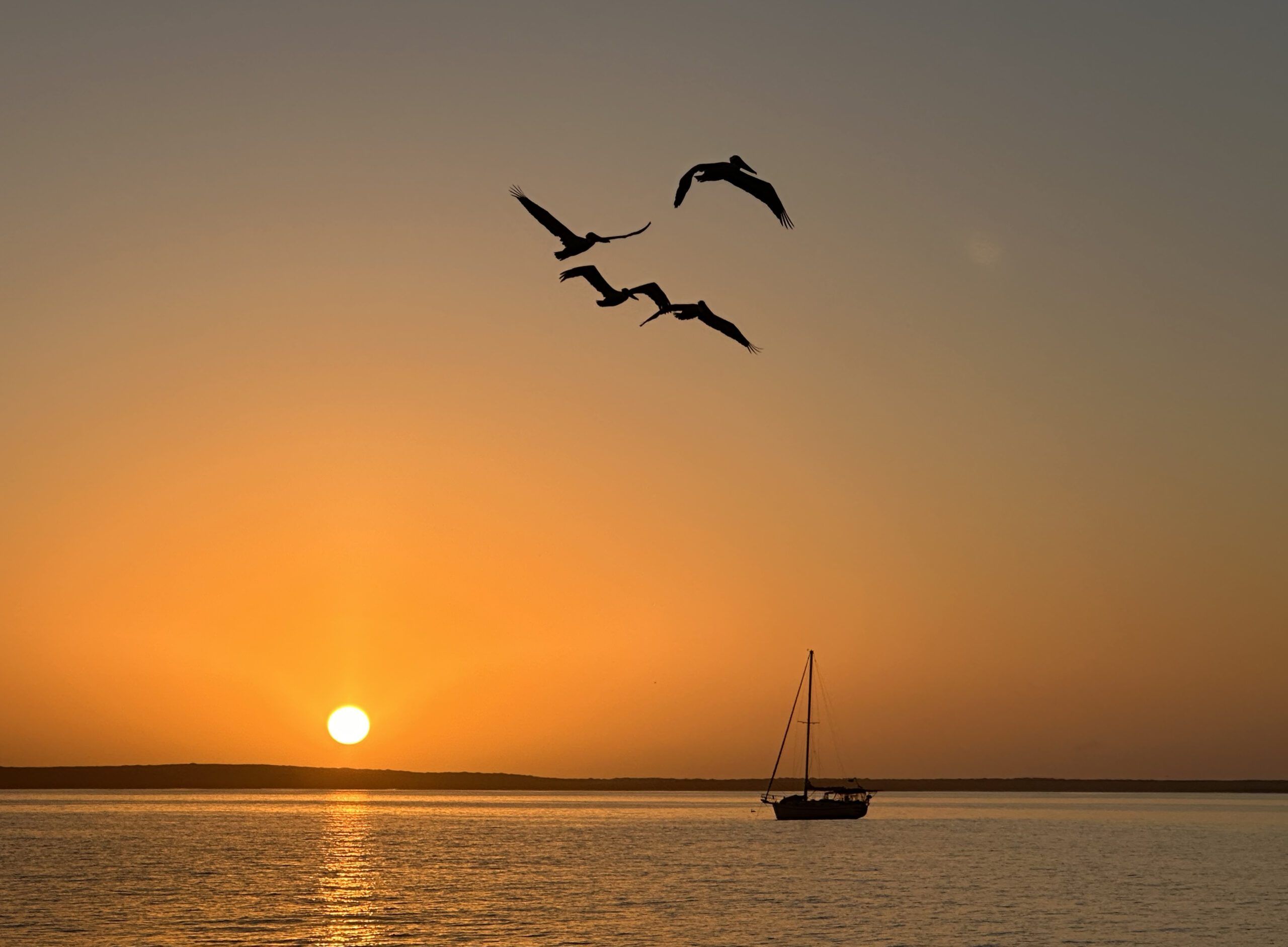
In the end, Bruce found his utopia. He found and quelled his yearnings to deepen his relationship with the ocean and himself. The experiences left him fulfilled, happy and wiser, as well as deeply accomplished. Finishing the 25,000 nm circuit of the Pacific adventure was his accomplishment. Confirming his joy with the ocean, his boat, and himself was the reward.
Bruce won the New Zealand Cruising Achievement Award from Yachting NZ, New Zealand’s national sailing body, for his circumnavigation of the Pacific Ocean—an honor he gets to share with many prestigious and distinguished New Zealand sailors.
He is currently skippering a 70-ft. expedition sailing yacht with up to a 10-person working crew aboard for the next eight months and about 5,000 nm. They’ll sail up the east coast of Australia to Cape York, then across the northern coast of Australia via Thursday Island and Darwin to the northwest corner of Australia, and back again.
Upcoming voyages may include a sail to Fiordland, New Zealand, and a circuit around New Zealand.



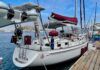
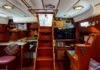
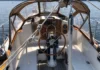
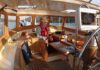
I met Bruce & Bob in Canoe Cove, on Vancouver Island; we shared a bit of time together gamming of boats and such; he has helped clear some of the fog I have had for my future sailing adventure. I wonderful man and a beautiful boat with whom I hope very much to meet again, in his home port.