

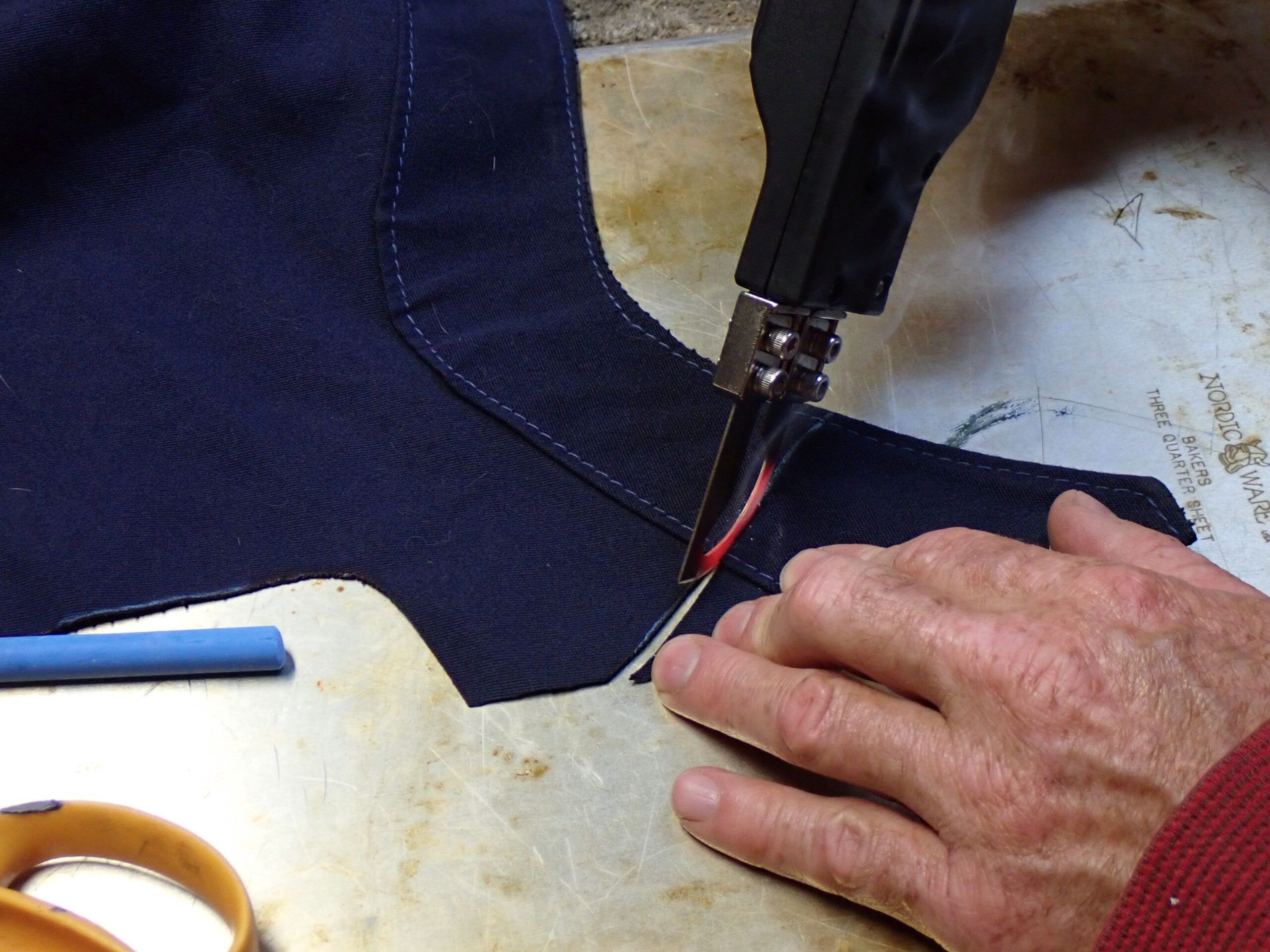
In fact our list is much, much longer than this, so we picked five specialty tools that we thought would help most sailors for small dollars. The right tool can pay for itself in the first use if it solves a problem. Treat yourself.
1. Refractometer
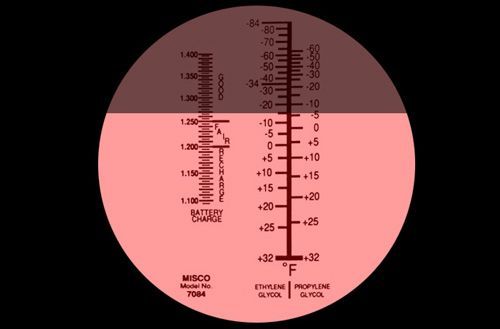
This tool can measure engine coolant freeze point (ethylene glycol), potable antifreeze freeze point (propylene glycol) and battery state of charge (battery acid gravity). It causes very little mess because only one drop is required, which is easily wiped off. All of those functions come at an affordable $25.
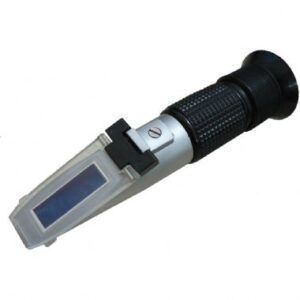
You should measure battery state of charge by both voltage and gravity before replacement. Under winterizing potable water systems (water causes dilution) can result in burst plumbing. The bottles claim burst point, but that is based on copper pipe, not plastic fittings, which can freeze at warmer temperatures. Weak antifreeze also causes bad tastes in the spring—it ferments, like Boone’s Farm gone bad.
2. Hose Pick
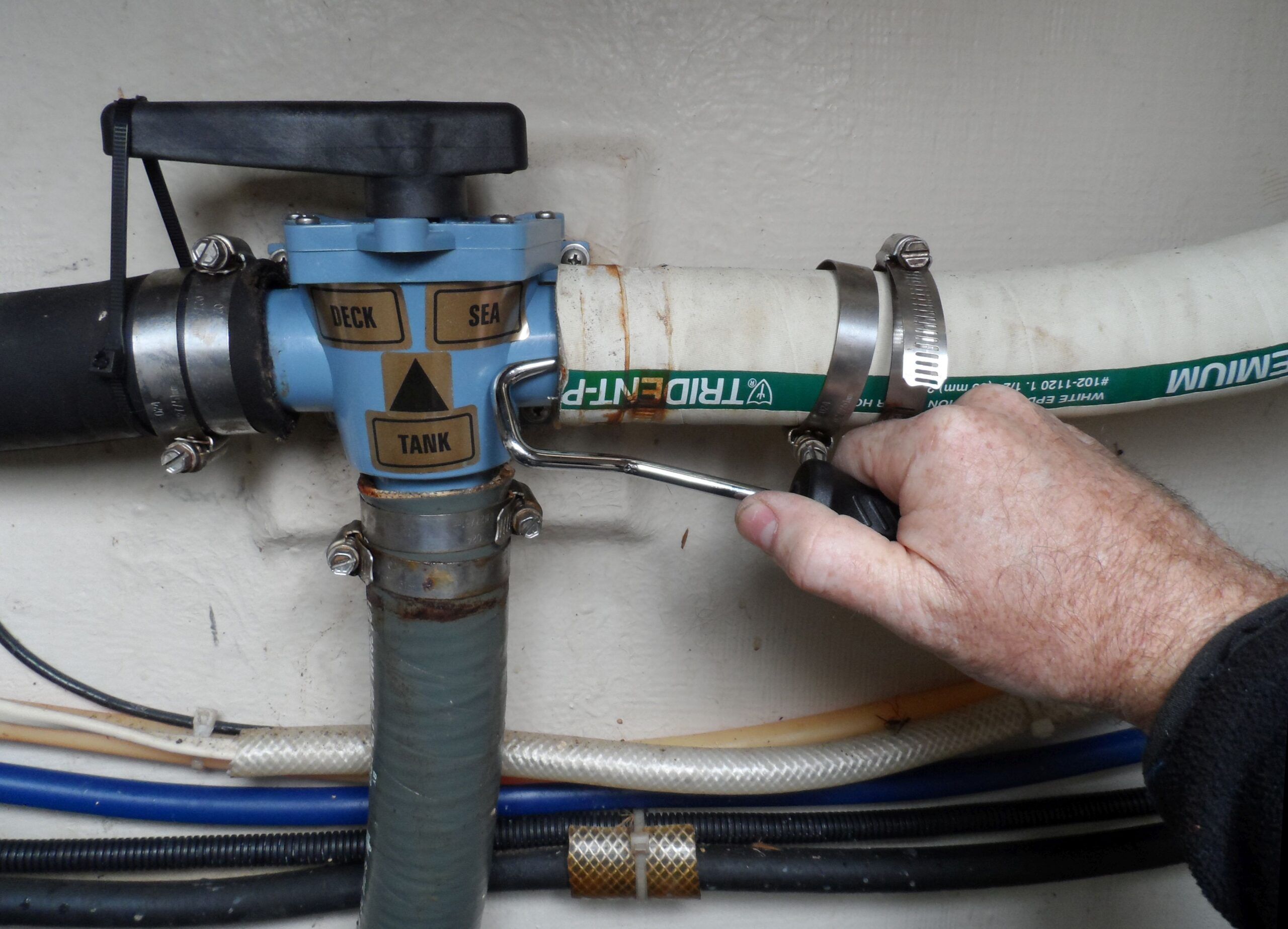
When you pull, the hose stretches and the Chinese finger trap comes into play. A hook, on the other hand, releases the finger trap and the hose slides right off. Sometimes. Heat can help too. The hose pick helps pulling hoses off of sea cocks, which are notoriously hard to reach. It is also handy for digging sealant out of grooves. About $12 for a set.
3. Multimeter with Amp Clamp
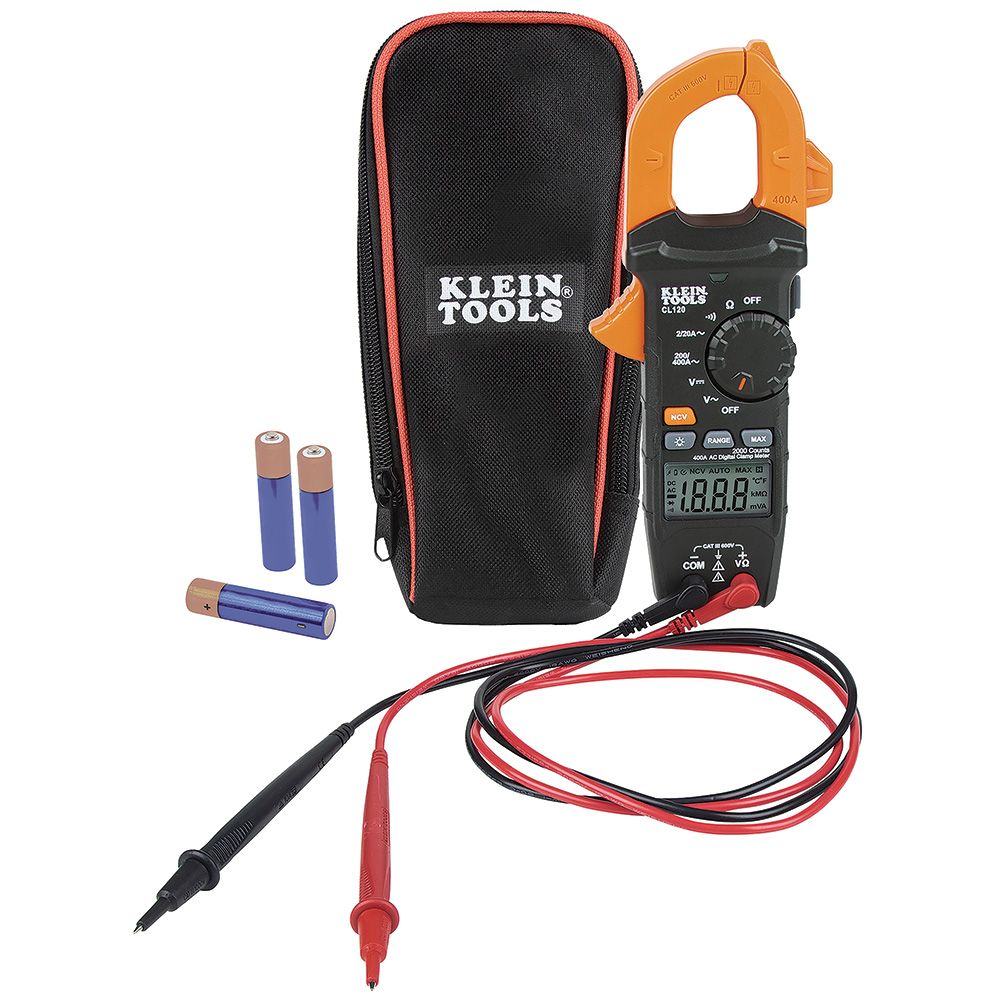
A multimeter is not really a specialty tool, but we like this one for boat use. It is useful for checking the health of your batteries and solar panels. The clamp allows quick measurement of amperage (just place it around a single wire). Klein CL120, about $60.
4. Hot Knife
It’s not just faster than scissors, it also makes projects simpler by sealing the edges as you go. Good for fabric and ropes, but a must have for bungee and carpet, which are otherwise very difficult to seal. We reviewed the GONYTIA and are still very happy with it, having just cut dozens of yards of carpet in a fitting job. About $55, depending on the kit. Now that we have one, it finds constant use.
5. Heat Gun
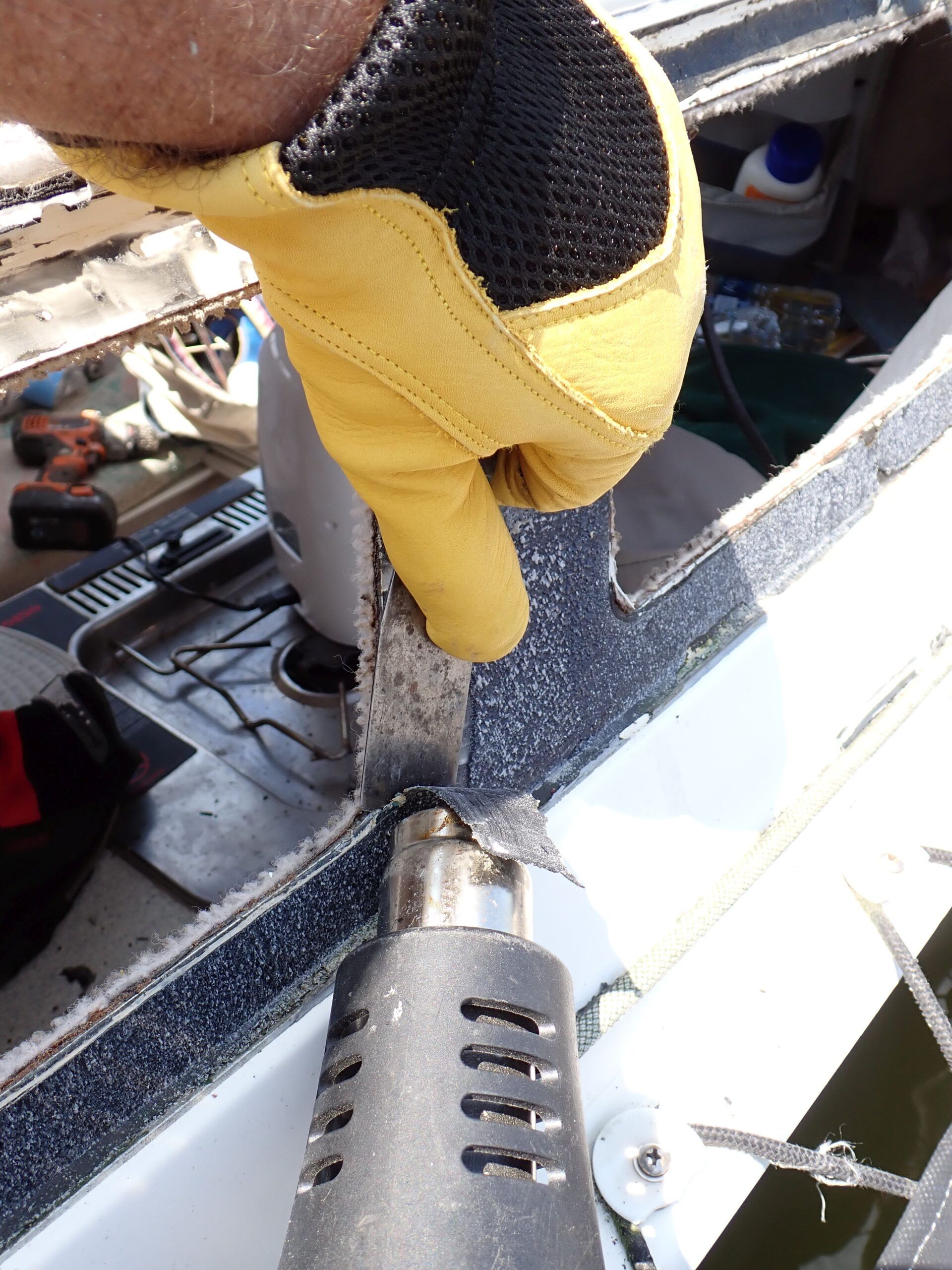
Excellent for removing sealant, VHB tape and stickers. It helps apply heat shrink more consistently to electrical splices and even line ends. It’s also handy for removing and installing hoses. A cheap one from Harbor Freight ($20) is probably all you need.












Flexible grabber tool with light?
I think a multimeter with clamp that works on DC current would be more helpful; when I looked up the tool listed, it only tested AC. Anyone else have a favorite?
I concure……….. stay away from the lower cost units…. buy something that measures DC amps (eg 12V battery power) as well as AC. I feel that being able to measure DC amps is VERY important in troubleshooting on a boat. I like the Fluke products myself….read the fine print before you buy…….Wes Herdman
I have a 12’ long piece of spring steel (about ¼ “ wide) with a sharp bend on 1 end and a larger radius bend on the other. I’ve used it hundreds of times to reach lines in the mast or boom and for a variety of other chores. Would not be without it. Also have a piece of plastic covered wire (from a wire hanger) about 16’ that I can bend and shape as needed.
I have lived by my refractometer to make sure I have enough antifreeze concentration in the water tanks for the past half dozen years. We used to get some black mold build up in the water tanks.
Judging by color alone is not enough.
Automatic wire stripper, butane soldering torch, flexible scope like improved bore scope.
Very helpful article. I am going to purchase a hot knife this week.
Keep the ideas coming! The list of tools I have and use is endless, all depending on the problem at hand.
Two days ago I was mounting a turning block on a cored deck, requiring the core to be removed and replaced with epoxy. A roofing nail with the head slit and bent to resemble a propeller is my favorite tool for removing balsa; it is smoother than a bent nail, pulverizes the core more finely, and the pitch lifts the chopped bits up and out of the hole. 3 ml syringes are perfect for both measuring the 5:1 epoxy ratio. Too little for pumps or weighing by pouring from containers. Another was used for placing the epoxy in the holes.
The right tool for the job can be cheap.
On the multimeter, get the Klein CL800 instead. It has a Low Z (low impedance) voltage measurement mode that is critical to avoid being tricked by ghost voltages (capacitive crosstalk from nearby energized wiring). It also has better accuracy with the clamp meter in DC mode down to 50mV or so (actual; specs say it can do better). Not good enough for professional stray current measurement, but pretty close.